





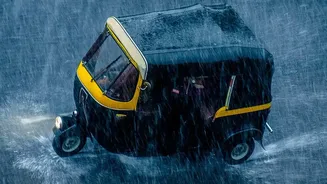
Prepare Your Vehicle Before the First Downpour
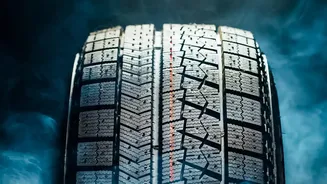
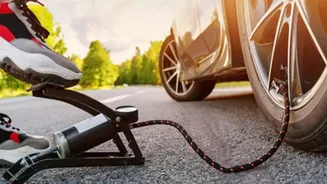
Your car or two-wheeler's reliability is your first line of defence. Before the monsoon truly sets in, conduct a thorough check. Tyres are critical; ensure they have a tread depth of at least 3mm to effectively channel water and prevent hydroplaning.
Worn-out tyres are a major cause of accidents on slippery roads. Inspect your wiper blades, which often crack under the summer sun. If they leave streaks or make noise, replace them for clear visibility. Top up your windshield washer fluid. Finally, test all your lights—headlights, tail-lights, brake lights, and indicators. In heavy rain, visibility drops drastically, and being seen by others is as important as seeing the road ahead.
Adapt Your Driving Style for Wet Conditions
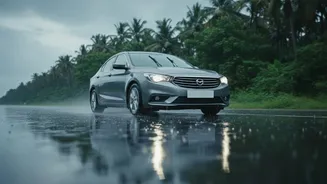
Wet roads are fundamentally different from dry ones, and your driving must change accordingly. The most important rule is to slow down. Braking distances can nearly double on wet surfaces. Maintain a much larger following distance from the vehicle in front—at least twice what you normally would. This gives you more time to react and brake gently. Avoid sudden, jerky movements, whether it's abrupt braking, hard acceleration, or sharp turns. Smooth, deliberate inputs help maintain traction and prevent skids. Also, never use cruise control in the rain; it can cause your vehicle to accelerate dangerously if it starts to hydroplane.
Beware of Hidden Road Hazards
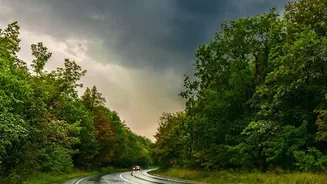
The biggest dangers during the monsoon are the ones you can't see. Waterlogging conceals treacherous potholes that can damage your suspension or even cause you to lose control. What looks like a shallow puddle could be a deep crater. It's best to avoid puddles entirely if possible. The first rains also lift oil and grime from the road, creating an exceptionally slippery film. Be extra cautious during the initial showers of the season. Another common error is using hazard lights while driving in heavy rain. This is incorrect and confusing for other drivers, as they can't see your turn indicators. Use your low-beam headlights instead to remain visible.
The Peril of Waterlogged Roads
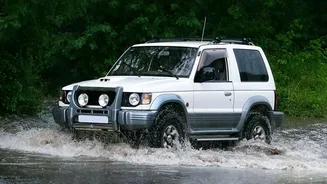
Urban flooding is a common monsoon reality across India. The cardinal rule is simple: if you cannot see the road surface or judge the depth of the water, do not attempt to drive through it. Just six inches of water can be enough to cause a car to lose control, and a foot of water can stall most engines. If you must cross a shallow, waterlogged patch, stay in a low gear and keep the engine revs high but your speed slow and constant. Never try to restart your car if it stalls in water. This is the single biggest mistake you can make, as it can cause water to be sucked into the engine, leading to 'hydrostatic lock'—a catastrophic and expensive failure. It's far safer to abandon the vehicle and seek higher ground.
Special Precautions for Two-Wheeler Riders
Riding a motorcycle or scooter in the rain requires an even higher level of alertness. Wet roads drastically reduce grip, making two-wheelers prone to skids. Ensure both your front and rear brakes are in good condition. Use both brakes together, applying them gently and progressively. Visibility is a huge challenge. Wear a full-face helmet with a clear, anti-fog visor. Bright or reflective rain gear is essential to make you visible to other vehicles. Be extremely wary of the spray from larger vehicles like buses and trucks, which can temporarily blind you. And always be considerate; don't splash pedestrians and give other bikers extra space.
Keep Your Cabin Clear and Comfortable
A fogged-up windshield can be just as dangerous as poor external visibility. High humidity causes glass to fog from the inside. Use your car's air conditioning system to remove moisture from the cabin air. Directing the AC vents towards the windshield using the defogger setting is the quickest way to clear it. Ensure your rear defogger is also working. Keeping the interior clean and free of wet items like umbrellas and soaked shoes can also help reduce overall cabin humidity. A clear view is non-negotiable for safe driving.