








The Rise of the ‘Healthy’ Soda
Let’s address the headline: No, a decree hasn't been issued banning Coca-Cola. But the spirit of the claim is tapping into a very real shift. Americans are increasingly looking for healthier alternatives to their favorite indulgences, and the $100 billion-plus
soda industry is finally feeling the pressure. Enter brands like Olipop, Poppi, and Culture Pop, which are storming into mainstream supermarkets like Target, Whole Foods, and even Costco. They’re called “functional beverages”—drinks that do more than just hydrate or taste good. They promise benefits, primarily for your gut, and position themselves as a guilt-free version of a classic treat. This isn't a niche health-store phenomenon anymore; it's a full-blown cultural and commercial movement, fundamentally changing what we expect from a can of fizz.
What’s Actually in the Can?
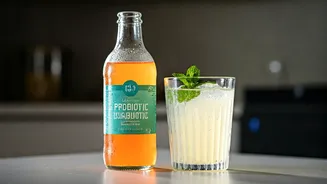
So what makes these drinks “functional”? It’s not magic, it’s fiber. Most of these popular new sodas are built around prebiotics. Unlike probiotics (live beneficial bacteria), prebiotics are a type of dietary fiber that acts as food for the good bacteria already living in your gut. Common prebiotic ingredients you’ll see on labels include chicory root, Jerusalem artichoke, or cassava root. A single can might contain as much as nine grams of fiber, which is a significant chunk of the recommended daily intake (around 25-30 grams). To sweeten the deal without the sugar bomb of a traditional soda, they use natural, low-calorie sweeteners like stevia, monk fruit, and allulose. Some, like Poppi, also add a splash of apple cider vinegar, another wellness-world darling praised for its supposed digestive benefits.
The Health Halo: Reality Check
This all sounds great, but are they a magic bullet for gut health? The answer is a bit more complicated. While the added fiber is certainly beneficial for most people—especially given that the average American gets far too little—it’s not a substitute for a balanced diet rich in whole foods. Nutritionists are quick to point out that you get a much wider array of nutrients and fibers from eating an apple or a bowl of oatmeal. Furthermore, for some people, especially those with sensitive stomachs or conditions like IBS, a sudden influx of nine grams of specific fiber can lead to bloating and digestive discomfort. Think of it this way: these sodas are a “better for you” option, not a “health food.” They are a step in the right direction away from high-fructose corn syrup, but they aren’t a replacement for vegetables.
The Showdown: Functional vs. Traditional Soda
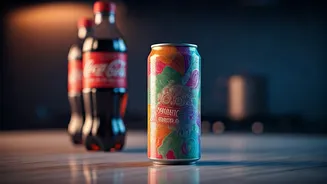
Here's where the “replacement” idea gets its legs. A standard 12-ounce can of Coke contains 39 grams of sugar and about 140 calories, with zero nutritional benefits. A can of Olipop’s Vintage Cola, by contrast, has just 2 grams of sugar and 35 calories, plus that hefty dose of prebiotic fiber. Poppi’s version has 5 grams of sugar and 25 calories. From a pure sugar and calorie perspective, it's not even a fair fight. If you have a daily soda habit, swapping it for a prebiotic version is an undeniable upgrade. You’re drastically cutting your sugar intake while adding fiber. The question isn't whether it's healthier—it is. The real questions are about taste and cost.
The Catch: Taste and Price
For all their benefits, let’s be honest: they don’t taste exactly like the full-sugar sodas we grew up with. They are often less sweet and have a slightly different mouthfeel, sometimes with a subtle aftertaste from the alternative sweeteners. While many find them delicious and refreshing, a die-hard Dr. Pepper fan might not be convinced by a “Doc Pop.” Then there’s the price. A 12-pack of Coke might run you about $8, or roughly 67 cents a can. A 12-pack of a leading prebiotic soda is closer to $30, or about $2.50 per can. That’s a steep premium for a daily habit. This cost barrier is the biggest obstacle preventing a true “official replacement” of traditional soda. It’s an accessible luxury for some, but not a universal swap for all.