






The Search for Soul in a Mass-Produced World
For years, the template for a modern urban home was dictated by catalogues and factory floors, resulting in spaces that were polished yet impersonal. Today, a significant shift is underway. Homeowners are increasingly turning away from cookie-cutter perfection
and seeking authenticity. This has sparked a renaissance for handmade décor, where the focus is less on flawless uniformity and more on character and uniqueness. The allure lies in the subtle irregularities—the mark of a human hand that machine-made items can never replicate. This movement is a conscious choice to fill living spaces with items that tell a story, moving beyond mere decoration to create a home with a soul.
More Than an Object, It's a Narrative
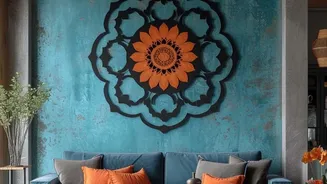
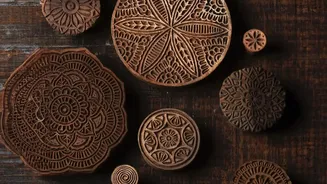
Every handmade piece, whether it's a terracotta vase, a hand-carved wooden panel, or a Dhokra sculpture, carries a narrative. It holds the story of its maker, the history of its craft, and the cultural legacy of its region. When you place a block-printed cushion on a sofa or hang a hand-painted Pattachitra on the wall, you are embedding a piece of history into your daily life. This appreciation for storytelling is transforming how people decorate. A home is no longer just a collection of beautiful things; it's a curated gallery of personal connections and cultural identity. This desire for meaning is a powerful driver, making handmade items feel less like products and more like future heirlooms.
Weaving Tradition into Contemporary Spaces
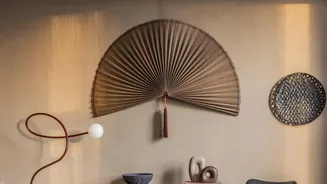
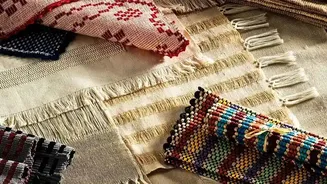
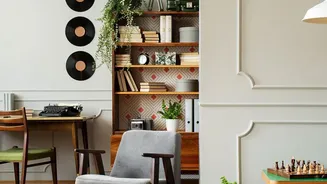
Embracing handmade décor doesn't mean your home has to look like a museum. In fact, the real magic lies in the fusion of old and new. Interior designers and homeowners are masterfully blending traditional craftsmanship with modern aesthetics. A minimalist living room is instantly softened by the raw texture of a jute rug, while a sleek, contemporary kitchen can be warmed by a collection of handmade ceramic bowls. Materials like cane, bamboo, raw timber, and natural fabrics are being used to add layers of texture and warmth to otherwise stark interiors. This approach allows for a space that feels both globally current and deeply rooted in Indian heritage.
The Digital Bridge to Artisans
This trend has been significantly amplified by the rise of e-commerce and social media. For decades, a vast gap existed between rural artisans and urban consumers. Today, digital platforms and curated online stores are bridging that divide, eliminating middlemen and allowing for fairer prices. Instagram and Pinterest have become virtual marketplaces where artisans can showcase their work and their process, allowing buyers to connect with the story behind the product. This digital access has not only made it easier for consumers to discover and purchase unique items but has also empowered countless artisans, providing them with a sustainable livelihood and ensuring their craft survives for future generations.
A Conscious and Sustainable Choice
The move towards handmade is also deeply connected to a growing consciousness around sustainability and ethical consumption. Consumers are increasingly aware of the environmental footprint of mass-produced goods and are actively seeking planet-friendly alternatives. Handmade items are often crafted using natural, biodegradable materials with minimal use of electricity, making them a more sustainable choice. Supporting local artisans also fosters socio-economic empowerment, often within marginalized communities, and helps preserve traditional skills that are at risk of disappearing. In this context, choosing a handmade piece is not just an aesthetic decision but an ethical statement.