


Why Embrace the Rain?
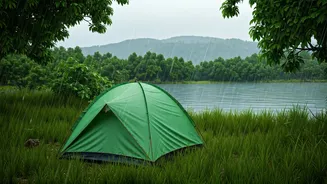
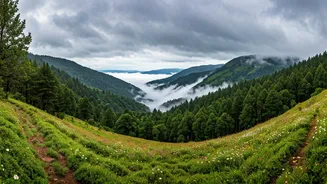
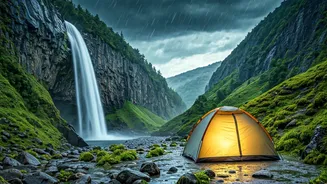
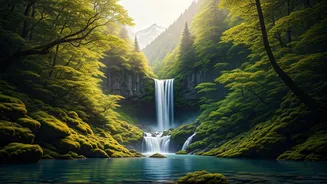
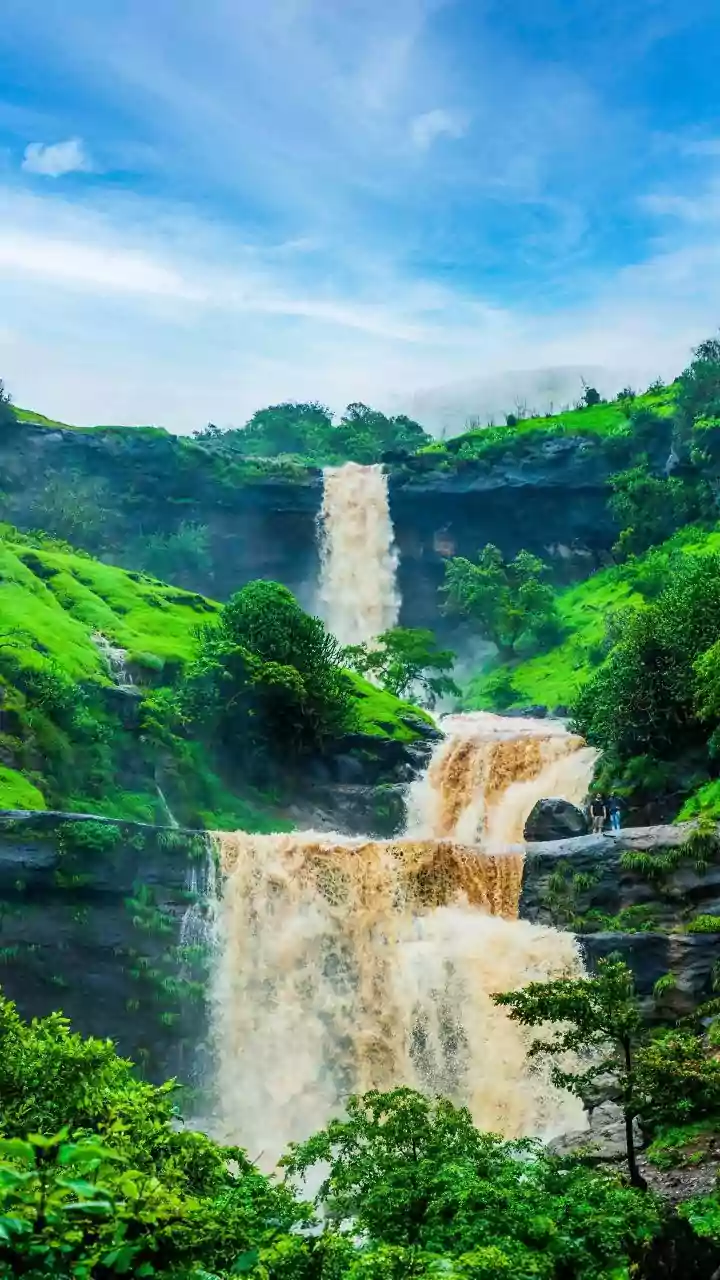
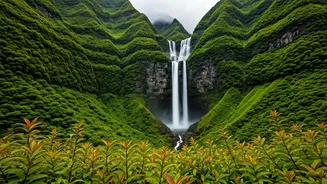
While many pack away their gear at the first sign of clouds, seasoned campers know the monsoon unlocks a different kind of wilderness. The dusty landscapes of summer transform into a sea of emerald green. Waterfalls, often mere trickles, roar back to life.
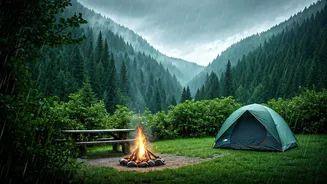
The air is thick with petrichor, that intoxicating scent of rain on dry soil. Perhaps the biggest draw is the solitude. Popular trails and campsites are far less crowded, offering a sense of peace that’s impossible to find during peak season. It’s an opportunity to see nature at its most dramatic and rejuvenated, a multi-sensory experience that’s both calming and invigorating. You aren't just observing the monsoon from a window; you're living inside it.
Essential Gear for a Dry Adventure
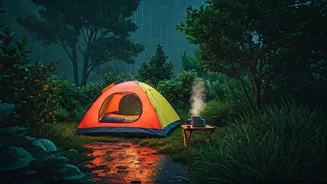
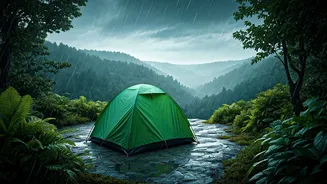
Success in monsoon camping hinges on one thing: staying dry. Your standard gear won't cut it. Start with a high-quality waterproof tent with a full-coverage rainfly that extends to the ground. Placing a tarp or groundsheet underneath your tent is non-negotiable to prevent water from seeping up. Inside, opt for a synthetic sleeping bag over a down one, as synthetic materials retain warmth even when damp. Pack your clothes, electronics, and food in dry bags or, at a minimum, double-wrapped plastic bags. For clothing, ditch cotton. Choose quick-drying synthetic fabrics for your t-shirts, trousers, and socks. A reliable waterproof jacket and rain pants are your best friends. Finally, invest in a pair of waterproof trekking shoes with excellent grip to navigate slippery trails with confidence.
Smart Spots for Your Monsoon Outing
Not all camping spots are suitable for the monsoon. The key is to find locations that are beautiful in the rain but also safe from landslides and flash floods. The Western Ghats are a popular choice. Areas around Lonavala, Bhandardara, and Igatpuri in Maharashtra offer stunning vistas of misty valleys and gushing waterfalls. In the south, the hills of Coorg and Wayanad become ethereal, with numerous trails through coffee plantations and dense forests. For those in the north, avoid the high-altitude Himalayan regions prone to landslides and instead explore the lower foothills around Uttarakhand and Himachal Pradesh, like areas near Kasauli or Mussoorie. Always choose established campsites or consult with local trekking groups who are familiar with the terrain and can advise on safe locations.
Safety Must Be Your Top Priority
Camping in the rain is thrilling, but it comes with risks that require careful planning. First, check the weather forecast obsessively. If heavy downpours or weather warnings are predicted, postpone your trip. When setting up your tent, choose high ground. Never camp in a dry riverbed, near a stream, or in a low-lying area that could quickly flood. Leeches and insects are more active during the monsoon, so carry salt or a sanitiser to deal with leeches and a strong insect repellent. Pack a comprehensive first-aid kit with antiseptic, bandages, pain relievers, and any personal medications. Keep your phone and a power bank in a waterproof case, and always inform a friend or family member of your exact itinerary and expected return time. A little preparation goes a long way in ensuring your adventure is memorable for all the right reasons.