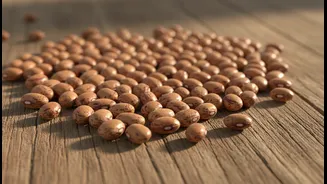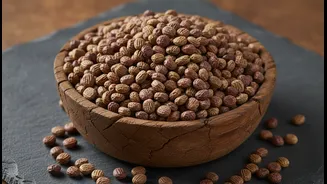





A Nutritional Powerhouse Verified by Science
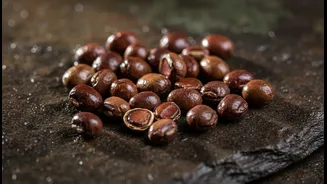
Known traditionally as a remedy for colds and kidney stones, modern science is now validating horse gram's status as a superfood. It boasts the highest protein content of any lentil on the planet and is packed with iron, calcium, and phosphorus. Recent
studies have highlighted its significant antioxidant and anti-inflammatory properties, thanks to a high concentration of polyphenols and flavonoids. Researchers have also found that it can help manage blood sugar levels by reducing insulin resistance, making it particularly beneficial for diabetics. Its benefits extend to heart health by helping lower bad cholesterol (LDL) while raising good cholesterol (HDL). These findings are shifting its perception from a rustic staple to a scientifically backed functional food.
The Climate-Proof Crop for a Changing World
Perhaps one of the most urgent questions about horse gram involves its role in our agricultural future. It is an exceptionally resilient crop, capable of thriving in drought-prone areas and poor soil where other plants fail. This toughness has not gone unnoticed; the US National Academy of Sciences identified horse gram as a potential food source for the future due to its hardiness. It requires minimal water, tolerates high temperatures, and can grow in semi-arid conditions with as little as 300-600 mm of annual rainfall. Furthermore, as a legume, it fixes atmospheric nitrogen, naturally enriching the soil and reducing the need for chemical fertilizers. This makes it an ideal crop for sustainable farming systems and a cornerstone for food security in regions facing climate uncertainty.
From Humble Rasam to Modern Menus
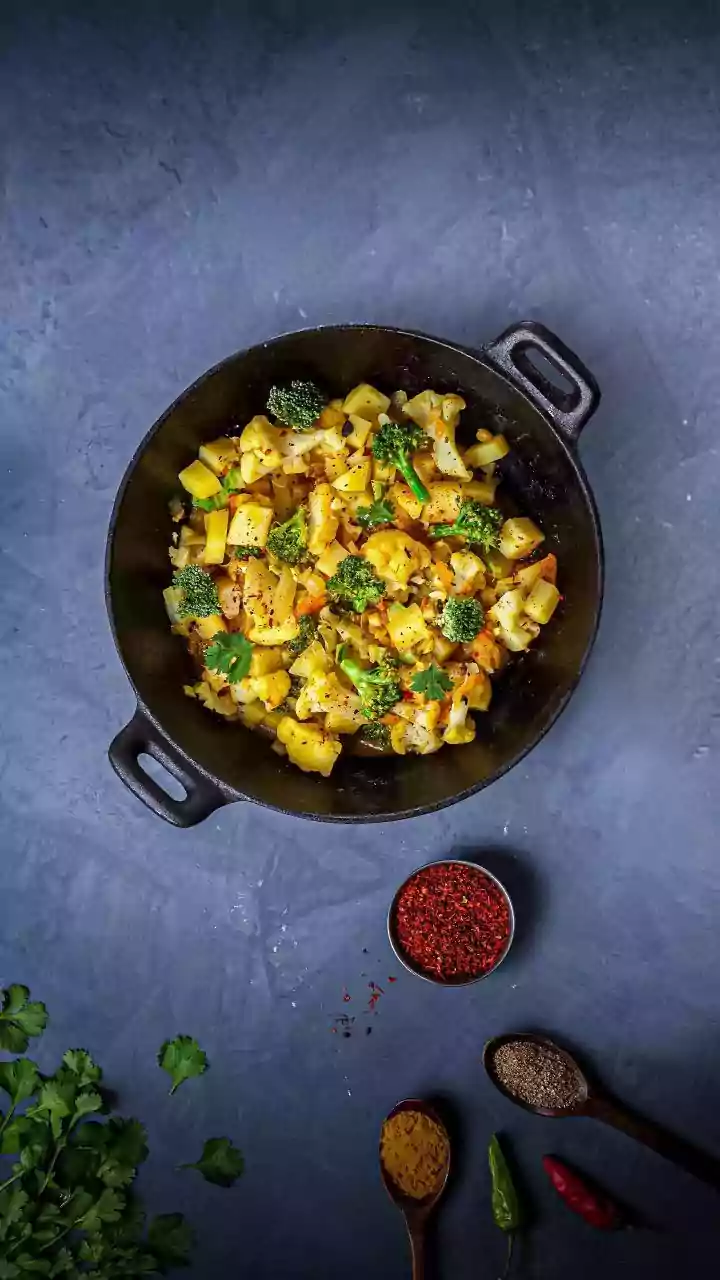
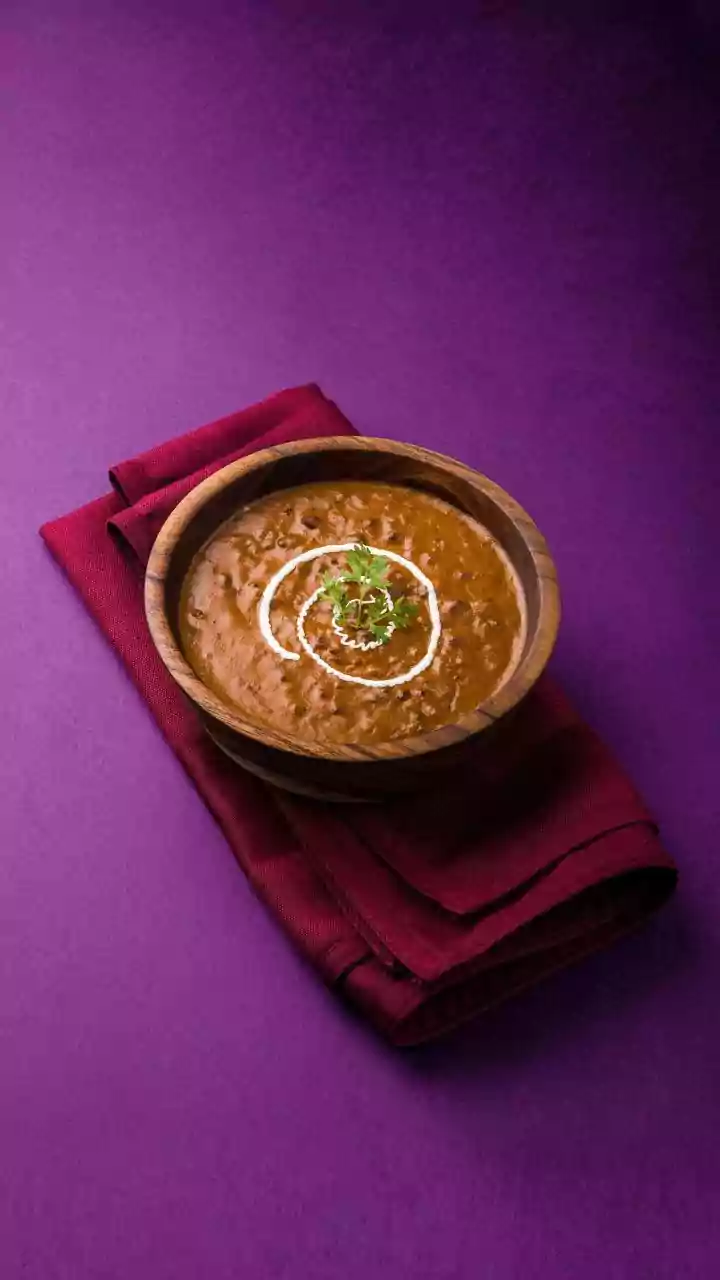
While kollu rasam and kulthi dal are beloved classics, the culinary world is beginning to explore horse gram's versatility. Its slightly nutty, earthy flavour profile lends itself to a variety of modern dishes. Chefs and home cooks are now using horse gram flour to create everything from protein-rich parathas and idlis to nutritious soups and even tikkis. Sprouted horse gram is becoming a popular addition to salads, offering a crunchy texture and a concentrated dose of nutrients. Food innovators are also looking at its potential in creating plant-based protein products and value-added foods like porridge mixes. This culinary revival is not just about novelty; it's about re-introducing a highly nutritious, indigenous ingredient to a new generation of diners in formats that are both convenient and exciting.
Unlocking Economic and Nutraceutical Potential
Beyond the kitchen and the farm, horse gram presents significant economic opportunities. For small and marginal farmers in dryland areas, its low cultivation cost and steady demand make it a profitable venture. The market for health-focused foods is growing, and horse gram is perfectly positioned as a cost-effective superfood. But the bigger questions lie in its nutraceutical potential. The same bioactive compounds that give horse gram its health benefits—like phenolic acids and flavonoids—can be extracted for use in dietary supplements and functional foods. As research continues to uncover its therapeutic properties for managing conditions like diabetes, obesity, and heart disease, the demand for horse gram-based products is expected to rise, creating a new value chain that could empower rural communities and boost local economies.