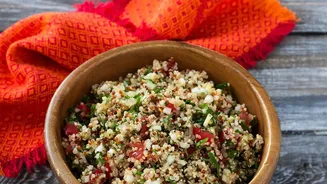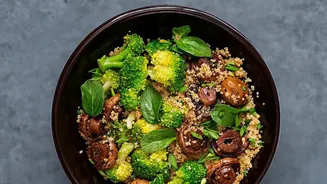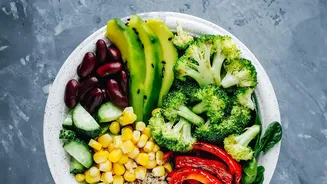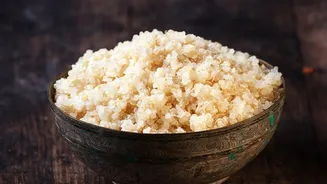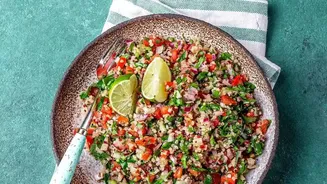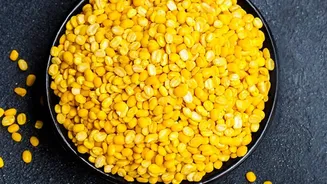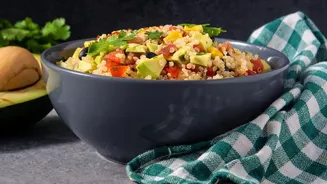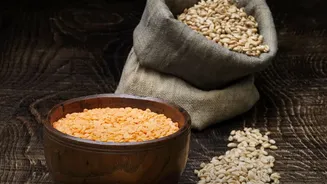



In the modern Indian kitchen, a quiet battle is being waged. In one corner, we have the trendy global superfood, quinoa. In the other, our humble, everyday dal, or lentils. Both are hailed for their protein, but which one truly wins?
The Protein Showdown: A Surprising Winner
When it comes to the
main event—protein content—the answer is surprisingly clear. Cooked lentils are the undisputed champion. A 100-gram serving of cooked lentils packs about 9 grams of protein. In contrast, the same amount of cooked quinoa offers around 4.4 grams of protein. This means that, cup for cup, our traditional dals deliver more than double the protein of the much-celebrated quinoa. For anyone looking to maximise protein intake per serving, lentils are the clear winner on pure numbers alone.
Beyond the Grams: The Quality of Protein
This is where quinoa has built its reputation. Quinoa is famously known as a 'complete protein', meaning it contains all nine essential amino acids that our bodies cannot produce on their own. Lentils, like most legumes, are considered an 'incomplete protein'. They are high in some amino acids but low in one called methionine. However, this isn't a major drawback in a typical Indian diet. For centuries, we have instinctively paired lentils with grains like rice or roti. This classic combination of dal-chawal or dal-roti creates a complete protein profile, as the grains provide the methionine that lentils lack. So, while quinoa offers convenience by providing a complete protein in one food, the traditional Indian meal easily achieves the same nutritional goal.
Fibre, Carbs, and Blood Sugar
Beyond protein, lentils continue to prove their might. They are a fibre powerhouse, with about 7-8 grams of fibre per 100g cooked serving, compared to quinoa's 2.8 grams. This high fibre content aids digestion, promotes gut health, and keeps you feeling full for longer, which can help with weight management. Both are excellent sources of complex carbohydrates, but lentils have a lower glycemic index (GI) of around 32, while quinoa's GI is about 53. A lower GI means a slower, more gradual release of sugar into the bloodstream, making lentils a particularly good choice for managing blood sugar levels.
The Micronutrient Mix
Both foods are packed with essential vitamins and minerals, but they shine in different areas. Lentils are an excellent source of folate and iron, providing significantly more of these nutrients than quinoa. Folate is crucial for cell growth and development, while iron is essential for carrying oxygen in the blood. Quinoa, on the other hand, generally contains more magnesium, phosphorus, and manganese. Magnesium is important for muscle and nerve function, while manganese is a powerful antioxidant. The better choice here depends on which specific micronutrients you wish to boost in your diet.
The Deciding Factor : Cost and Accessibility
For most Indian households , this is where the debate ends . Lentils are a cornerstone of our food system and are incredibly affordable . Depending on the variety (toor , masoor , moong) , lentils typically cost between ₹70 to ₹120 per kilogram . Quinoa , while more widely available now than a decade ago , remains a premium , niche product . Its price can range from ₹200 to over ₹400 per kilogram , making it three to five times more expensive than lentils . This significant price difference makes lentils the far more sustainable and practical choice for daily protein intake for the average family .