






Our Growing Appetite for Convenience and Plastic
India's thriving food delivery market has revolutionized how we eat, bringing convenience to millions of doorsteps. However, this boom has an unavoidable side effect: a massive increase in single-use plastic waste. With an estimated 40 million orders
processed monthly by major aggregators, a staggering 22,000 metric tonnes of plastic waste can be generated in the same period. These containers, cutlery, and bags contribute significantly to the 3.5 million tonnes of plastic waste India produces annually, much of which pollutes landfills and waterways. The environmental cost of a quick meal has become a pressing issue, pushing consumers, regulators, and businesses to find a more sustainable path forward.
Enter Sugarcane: A Sweeter Alternative
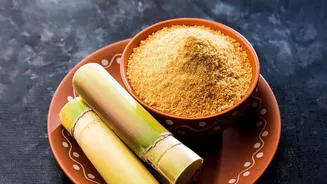
The most promising alternative emerging is bagasse, the dry, fibrous residue left over after sugarcane stalks are crushed to extract their juice. Traditionally treated as agricultural waste and often burned, this byproduct is now being repurposed into eco-friendly food containers. The process involves pressing the pulp with heat to mold it into various shapes like bowls, plates, and clamshell boxes. Unlike plastic, which can take hundreds of years to break down, bagasse packaging is fully biodegradable and compostable, returning to the soil as nutrients within a few months under the right conditions. This transforms a waste product into a valuable resource, creating a circular system.
Who is Leading the Charge?
Food delivery giants are beginning to play a crucial role in this transition. Zomato, for instance, has taken concrete steps to encourage its restaurant partners to adopt sustainable materials. In August 2026, the company launched 'PackSwitch,' an interactive platform that helps restaurants identify the best sustainable packaging options—including bagasse—for specific dishes like curries or biryanis. The platform connects them with a network of over 100 verified suppliers across India. This initiative builds upon Zomato's 'Plastic-Free Future' program, which has already recognized over 10,000 restaurants that have collectively delivered more than 100 million orders in low-plastic packaging as of March 2026.
More Than Just an Eco-Friendly Tag
The appeal of sugarcane packaging goes beyond its green credentials. For restaurants and consumers, it offers significant practical benefits. Bagasse containers are surprisingly sturdy, grease-resistant, and can handle both hot and cold foods, making them ideal for a wide range of cuisines. They are typically microwave-safe and free from harmful chemicals that can sometimes leach from plastic containers into food. This combination of performance and safety makes bagasse a reliable alternative that doesn't compromise the quality or integrity of the food during delivery, a key concern for any restaurant.
The Hurdles to Widespread Adoption
Despite its advantages, the path to replacing plastic entirely is not without challenges. One of the main barriers for restaurants is cost. Sustainable materials can make food orders 10% to 30% more expensive, a significant margin in a competitive industry. Availability and creating a consistent supply chain are other hurdles that platforms like Zomato's PackSwitch aim to solve by connecting restaurants directly with suppliers. Furthermore, ensuring that these compostable containers are disposed of correctly to actually biodegrade is a larger systemic challenge. Without proper composting infrastructure, even eco-friendly packaging can end up in landfills, limiting its environmental benefit.