



The Rise of the Micro-Retreat
The days of needing to hoard annual leave for a single, elaborate vacation are fading. In its place, the “micro-retreat” or “wellness weekend” has emerged as a practical and potent solution to modern burnout. This trend is a direct response to our always-on
culture, offering a focused, restorative escape that fits neatly into a 48-hour window. Unlike a typical holiday, which can sometimes leave you feeling like you need another vacation to recover, the goal here is intentional rest. It's about swapping sightseeing schedules for stillness, and hectic itineraries for moments of genuine reconnection with yourself. The idea is simple: a short, dedicated period of time to unplug and recharge can be more effective than a longer, activity-packed trip.
Why The Weekend Reset is Booming
Several factors are driving the popularity of short wellness breaks. In a world of digital overload and hybrid work schedules, the need to genuinely disconnect is more pressing than ever. Many report that powering down their devices is a key source of happiness on vacation. A weekend retreat offers a structured opportunity for a digital detox, which can help lower stress hormones, improve sleep quality, and sharpen focus. Furthermore, these shorter trips are more accessible. They are often more affordable and logistically simpler than a 10-day international journey, allowing people to schedule multiple moments of rest throughout the year rather than waiting for one big break. This normalises the idea of regular self-care, reframing rest as essential maintenance rather than a rare indulgence.
What Does a Wellness Weekend Look Like?
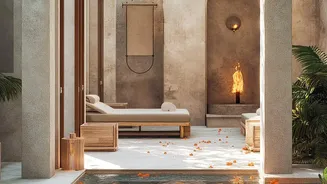
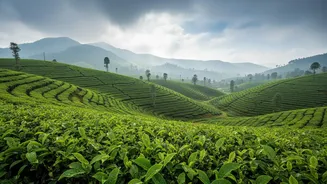
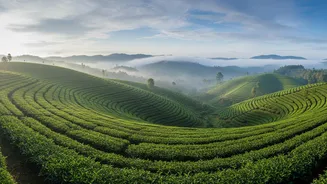
There is no one-size-fits-all formula, which is part of the appeal. A wellness weekend can be tailored to your specific needs and intentions. For some, it might be a digital detox retreat in a location with limited mobile service, forcing a much-needed break from screens. For others, it could be a yoga and meditation-focused stay at a dedicated centre, complete with healthy meals and guided sessions. Many retreats also focus on connecting with nature through activities like forest bathing or hiking. The common thread is a deliberate shift away from daily pressures and a focus on activities that calm the nervous system and restore mental clarity. Think gentle movement, nourishing food, quiet reflection, and plenty of unstructured time to simply be.
The Lasting Benefits of a Short Break
You might wonder if a single weekend can truly make a difference, and studies suggest it can. Even a short vacation can lead to immediate improvements in well-being and perceived stress, with some positive effects lasting for weeks afterward. A retreat environment is designed to foster new, healthy habits in a supportive setting, making them easier to adopt. By stepping away from triggers and routines, you create a “pattern interrupt” that can provide mental clarity and new perspectives on personal challenges. Participants often return home not just feeling rested, but also equipped with practical tools for stress management and a renewed commitment to their own well-being.
How to Plan Your Own Weekend Escape
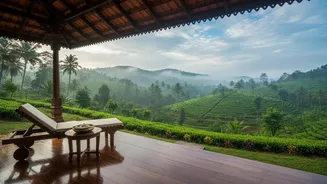
Planning your own micro-retreat can be empowering. First, define your intention: what do you need most right now? Is it silence, nature, movement, or creative expression? Look for locations that are within a few hours' drive to minimise travel stress. Many wellness centres across India offer curated weekend packages, from yoga retreats in Rishikesh and Goa to serene stays in the hills of Kerala or Himachal Pradesh. Alternatively, you can create a DIY retreat by booking a quiet hotel or Airbnb and planning your own schedule of rest and gentle activities. The key is to communicate your needs, set boundaries by silencing notifications, and give yourself permission to fully disconnect and receive the benefits of your chosen pause.