




More Than Just a Condiment
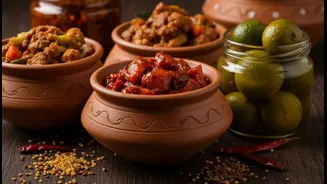
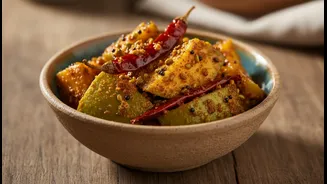
In the Telugu-speaking states of Andhra Pradesh and Telangana, pickles, or 'pachadi', are not just a side dish; they are a cultural institution and a core part of almost every meal. These aren't the subtly sweet or sour pickles you might find elsewhere.
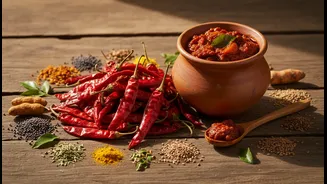
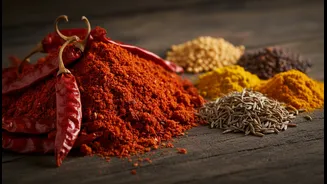
Andhra pickles are renowned for their bold, intense, and complex flavour profile—a fiery dance of spice, tang, and pungency that is utterly unforgettable. The secret lies in a masterful blend of regional ingredients: sun-dried vegetables or fruits, freshly ground spices, and a generous amount of cold-pressed oil, often sesame or peanut, which acts as a natural preservative and flavour carrier.
Avakaya: The Fiery King of Pickles
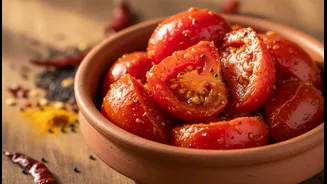
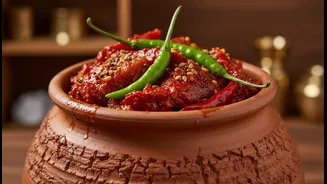
When one speaks of bold Andhra pickles, Avakaya is often the first name that comes to mind. Considered the king of pickles, Avakaya is traditionally made in the summer when raw, sour mangoes are abundant. Its name breaks down into 'ava' (mustard) and 'kaya' (raw fruit), hinting at its primary flavour driver. Finely ground mustard seed powder, fiery Guntur red chilli powder, salt, and fenugreek are combined with firm, chopped mango pieces. This mixture is then submerged in oil and left to marinate in large ceramic jars, a process that can be a cherished family ritual. After a few days, the magic happens: the mangoes soften slightly, releasing their sourness into the spice blend, creating a thick, aromatic, and incredibly potent concoction.
Gongura: The Tangy Challenger
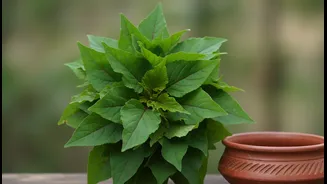
While Avakaya reigns supreme, Gongura pachadi offers a different kind of boldness. Made from sorrel leaves (known as Gongura in Telugu), this pickle is the state's other signature offering, celebrated for its distinctively tangy and slightly fibrous texture. The sorrel leaves, which come in green-stemmed and the more sour red-stemmed varieties, are sautéed and ground with roasted red chillies, garlic, and other spices. The result is a pickle that is both fiercely spicy and addictively sour. Gongura pickle is a staple in every Andhra household and is considered a must-have during ceremonies and family gatherings.
A Ritual of Love and Legacy
The making of these pickles is a tradition steeped in love and legacy, often passed down from generation to generation. Historically, it was a communal affair, with families and neighbours gathering to chop mangoes, grind spices, and mix the enormous batches meant to last the entire year. This annual ritual reinforces family bonds and cultural identity. Every family has its own slight variations, a secret touch that makes their pickle unique. It’s this homemade, preservative-free approach that ensures the flavours remain authentic and deeply connected to the region's culinary heritage.
How to Best Enjoy the Boldness
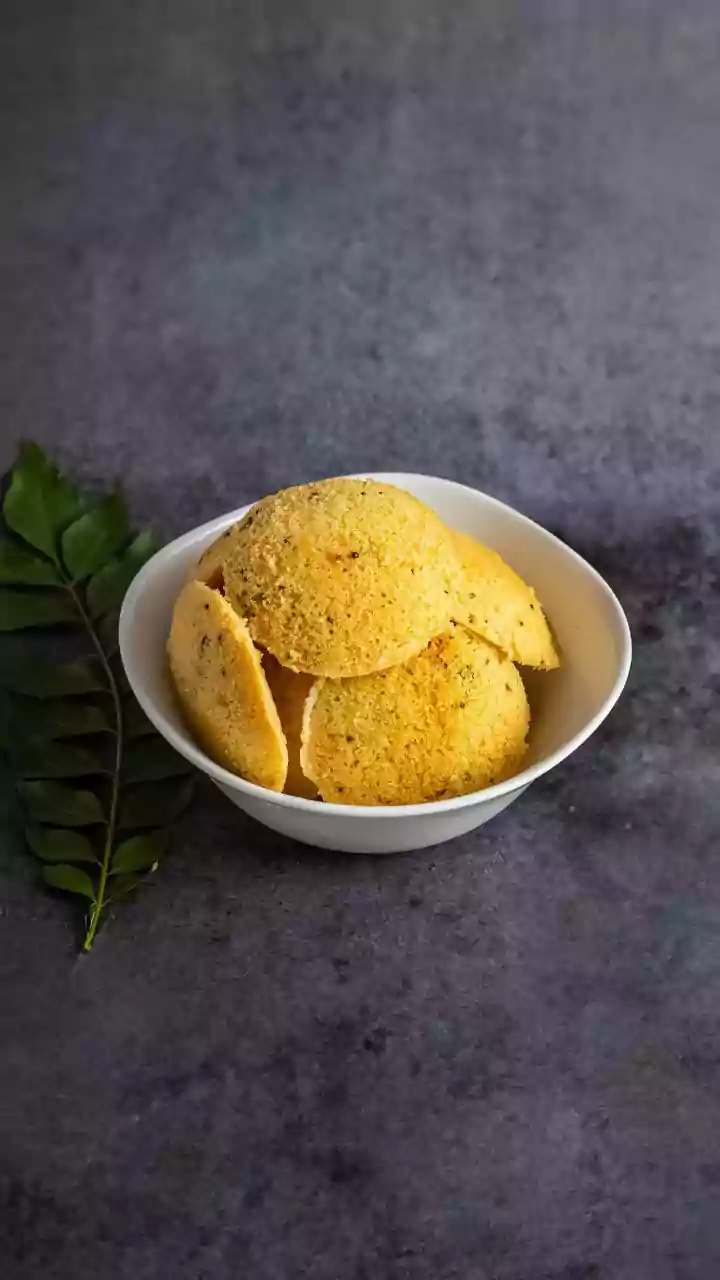
If you're new to the world of Andhra pickles, a little goes a long way. Their intensity is designed to be balanced by the rest of the meal. The most classic and beloved way to eat Avakaya or Gongura pickle is with hot, steaming rice and a generous spoonful of ghee (clarified butter). The warm rice and creamy ghee soften the pickle's fiery punch, allowing its complex flavours to shine through. Another popular pairing is with cool curd rice, where the pickle provides a welcome, spicy contrast. They also serve as a fantastic accompaniment to idli, dosa, and even simple parathas.