


The Steamed vs. Fried Advantage
Let’s start with the most obvious difference. The quintessential monsoon snacks—samosas, kachoris, and pakoras—are all deep-fried. While undeniably delicious, they come loaded with oil, which can feel heavy and lead to post-snack sluggishness. Dhokla,
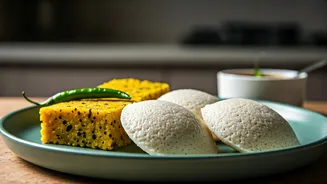
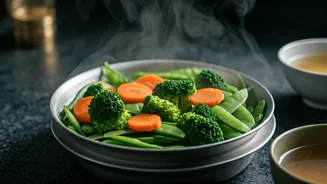
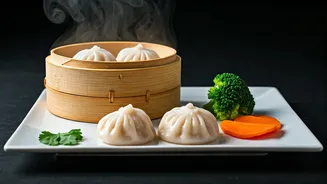
on the other hand, is prepared by steaming. This cooking method requires minimal to no oil, immediately slashing the calorie and unhealthy fat content. Opting for a steamed snack means you get all the flavour and satisfaction without the greasy fingers and the feeling of being weighed down. It's a simple swap that your body will thank you for, especially when you’re craving something comforting on a cool, rainy day.
A Friend to Your Digestion
Traditional wisdom and modern science agree: monsoon is a time when our digestive fire, or 'agni,' is believed to be weaker. This is why many people experience bloating and indigestion more frequently during this season. This is where dhokla truly shines. It’s made from a fermented batter, typically of besan (gram flour) or rice and lentils. The fermentation process not only imparts a wonderful tangy flavour but also enriches the food with probiotics. These are beneficial bacteria that support gut health and make the dhokla incredibly easy to digest. Unlike heavy, fried foods that can tax your system, this light, airy snack works with your body, not against it.
Packed with Plant-Based Protein
Snacks are often criticised for being empty calories, but dhokla breaks that mould. Its primary ingredient, besan, is a fantastic source of plant-based protein and fibre. Protein is essential for keeping you full and providing sustained energy, preventing the sharp sugar crash associated with many processed snacks. The fibre aids digestion and helps maintain stable blood sugar levels. So, a plate of dhokla isn't just a treat; it's a genuinely nourishing snack that helps you stay energised and satisfied for longer. It’s the kind of smart fuel your body needs to combat the lethargy that can sometimes accompany grey, overcast days.
Incredibly Light and Versatile
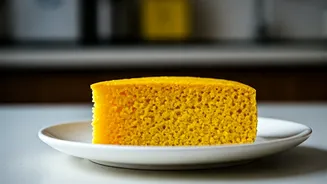
One of the best things about dhokla is its delightful texture. It’s spongy, moist, and feels incredibly light on the palate. You can eat a satisfying portion without feeling overly full or bloated. This versatility extends to its preparation as well. While the classic Khaman Dhokla made from besan is a favourite, there are countless variations to explore. You can try Rava Dhokla (made with semolina), Chana Dal Dhokla, or even fusion versions with different toppings. The final tempering, or ‘tadka,’ of mustard seeds, curry leaves, and green chillies can also be adjusted to your taste. This adaptability means you can enjoy it in many forms, ensuring it never gets boring.
The Perfect Mood-Lifting Snack
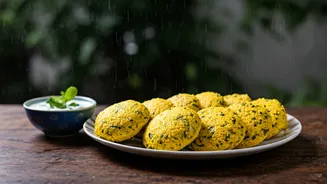
Food is not just about nutrition; it's about emotion. On a gloomy, rain-soaked afternoon, the vibrant yellow of a freshly made dhokla, garnished with green coriander and white coconut, is a visual delight. It looks like a plate of sunshine. The flavour profile—a perfect balance of savoury, sweet, and tangy—is equally uplifting. It’s a snack that awakens the senses and provides a comforting yet refreshing break from the monotony of a downpour. It proves that a “smart” or “healthy” choice doesn’t have to be a compromise on taste or joy. In fact, in the case of dhokla, it’s an upgrade.