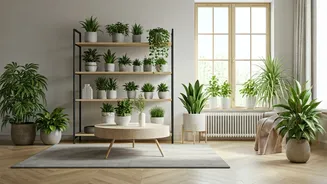




The Roots of a Growing Trend
So, why has crafting our own planters become so popular? This movement is about more than just saving a few rupees; it's a blend of several modern values. Firstly, there's a strong push towards sustainability. Homeowners are increasingly looking for ways
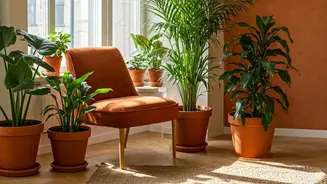
to be eco-friendly, and upcycling old items into planters is a perfect fit. This conscious mindset prefers giving an old object a new story over buying something mass-produced. Secondly, the trend taps into our collective need for wellness and a connection to nature, often called biophilic design. Nurturing a plant in a pot you made yourself doubles the satisfaction. Finally, it’s about personalization. In an age of curated digital lives, we crave homes that reflect our unique personalities. A DIY planter—whether it's a painted tin can or a repurposed wooden crate—is a statement piece that says, "I made this."
Upcycling: From Trash to Treasure
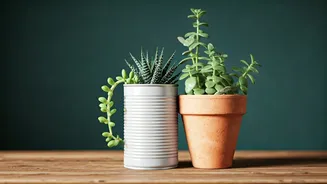
The easiest way to join the DIY planter movement is by looking at your 'junk' with fresh eyes. Almost anything that can hold soil can become a planter. Old kitchen items are a great start. Think tin cans, glass jars, and even old teapots or canisters. A quick coat of paint can transform a simple dal container into a chic pot. Don't be afraid to think bigger. People are turning everything from old wooden pallets, dresser drawers, and toolboxes into stunning garden features. An old pair of boots, a wicker basket, or even a vintage baby buggy can find a new life housing colourful flowers. The key is to ensure proper drainage by drilling a few holes in the bottom. This prevents water from pooling and keeps your plants healthy.
Creative Ideas for Every Space
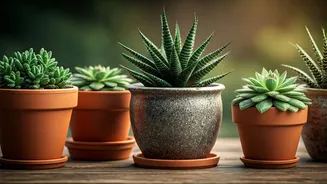
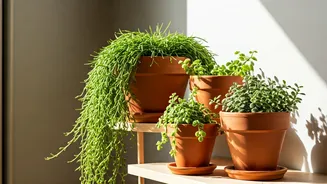
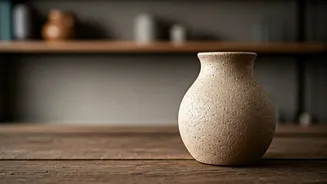
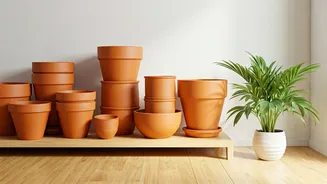
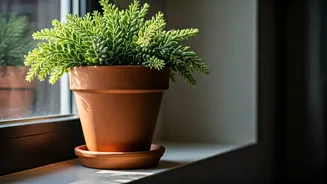
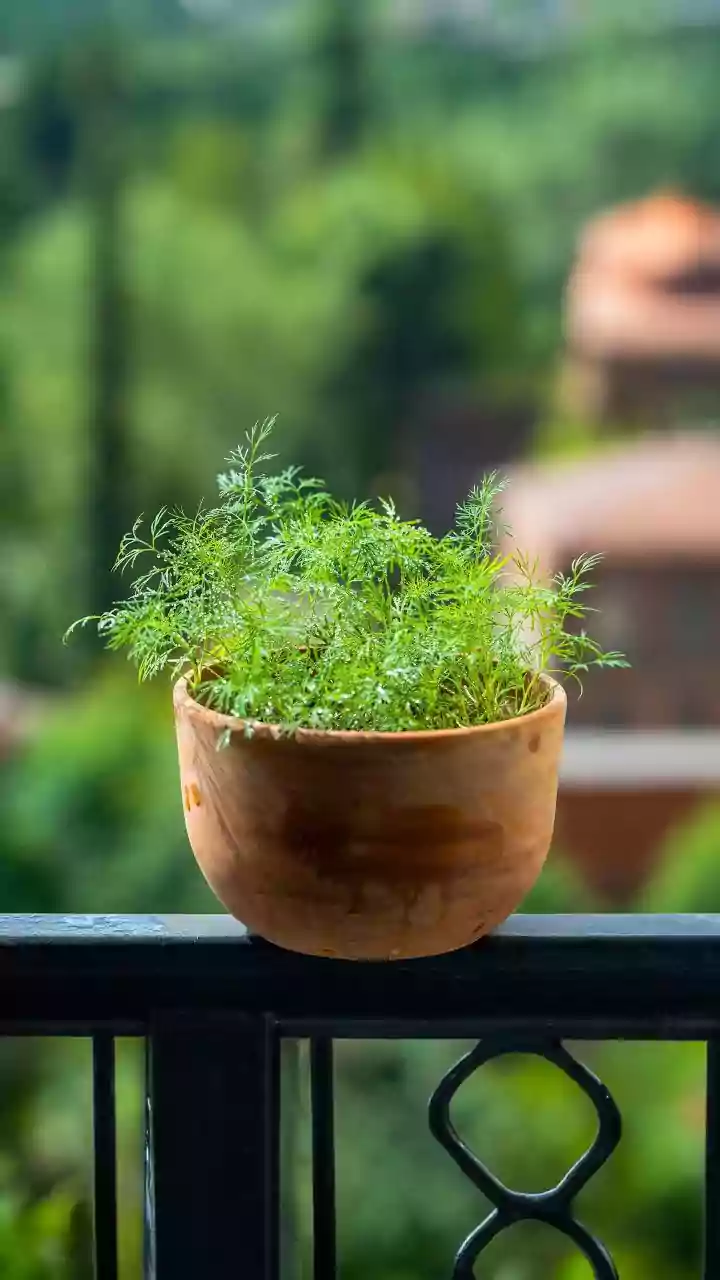
Whether you have a sprawling garden or a tiny apartment balcony, there's a DIY planter idea for you. For smaller spaces, vertical and hanging planters are a game-changer. You can create a vertical garden using an old wooden pallet or even a shoe organizer to maximize your green space. Hanging planters can be made from anything from coconut shells to custom-made fabric pouches. For a modern, minimalist look, try creating your own concrete or clay pots. Air-dry clay is an accessible option that doesn't require a kiln and can be used to craft unique shapes. You can also give basic terracotta pots an upgrade by painting them with abstract designs or creating a marbled effect. Grouping several pots of different heights but with a unified color scheme can create a curated, high-end look.
Getting the Details Right
To ensure your DIY planter is not just beautiful but also functional, a few tips can help. As mentioned, drainage is crucial for almost all plants. If you're repurposing a container you can't drill holes in (like a vintage ceramic piece), you can either place a smaller nursery pot inside or add a layer of pebbles at the bottom before the soil. When painting your planters, especially for outdoor use, consider using a primer and sealing it with a matte or glossy top coat to protect it from the elements. For a rustic-chic vibe, wrapping a basic plastic pot in twine or jute rope is a simple but effective upgrade. Don't forget that you don't always need a real plant; high-quality faux plants can look just as stunning, especially in planters that aren't suitable for watering, like old books or electronics.