




The Geotag Paradox
Not long ago, a stunning travel photo on social media was incomplete without a geotag pinpointing the exact location. This digital breadcrumb trail was a form of social currency, a way to say, “I was here, and you can be too.” Platforms like Instagram
became de facto guidebooks, shaping travel trends and turning once-unknown destinations into global hotspots overnight. Millions would flock to the same photogenic locations, driven by the desire to replicate the perfect shot. This behaviour was fuelled by a simple, powerful feedback loop: discover, capture, post, tag, and repeat. The more exotic or exclusive the location, the greater the validation. It created a culture of performative discovery, where the act of sharing a place became almost as important as the experience of being there itself.
The 'Instagram Effect' and Its Consequences
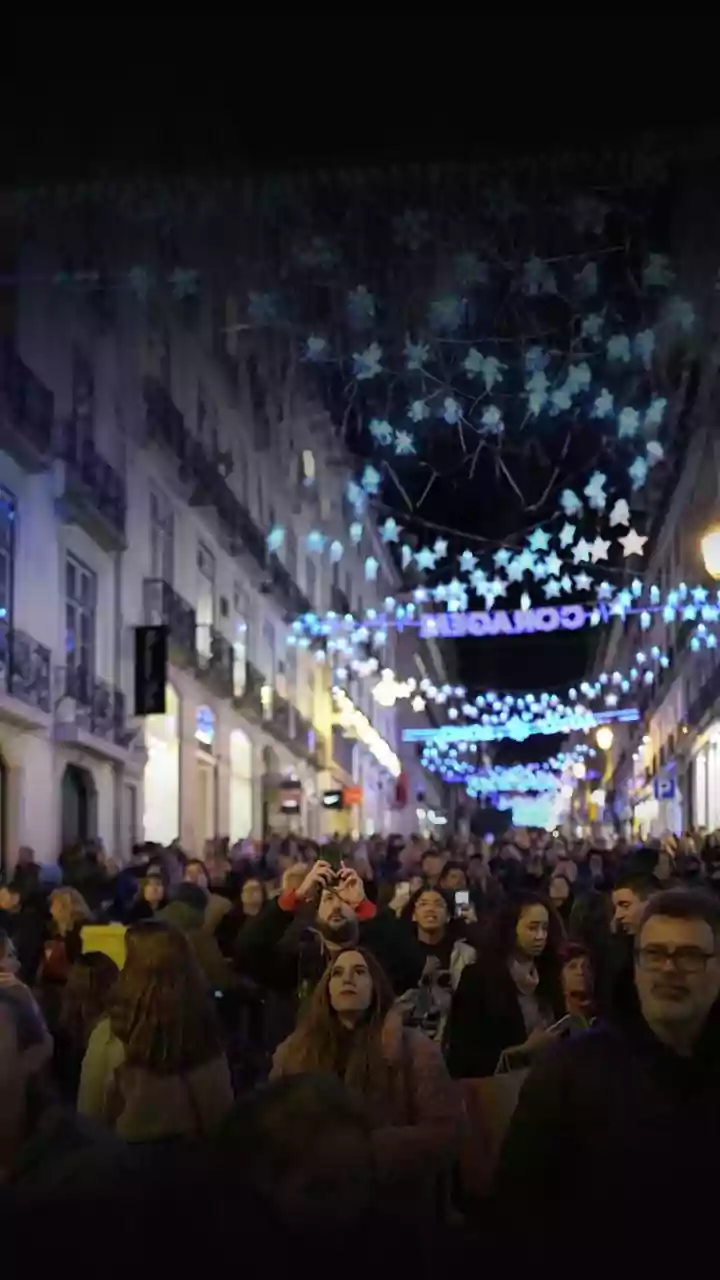
The consequences of this mass digital signposting are now impossible to ignore. The term “overtourism” has entered the mainstream, describing destinations where visitor numbers overwhelm local infrastructure and ecosystems. Viral posts have led to spikes in tourism in places like Bali and Venice, causing overcrowding, pollution, and disrupting local communities. In Fontainhas, Goa's historic Latin quarter, residents have put up signs asking tourists not to photograph their homes, frustrated by the endless stream of photo shoots. Fragile natural environments have been particularly hard-hit. Hikers queue for hours to take a photo at a popular summit, while delicate flora is trampled by those venturing off-trail for a better angle. This phenomenon, often called the “Instagram effect,” has revealed the hidden costs of democratised travel inspiration, turning beloved destinations into victims of their own photogenic appeal.
The Rise of 'Location Gatekeeping'
In response, a growing movement of travellers is embracing a practice often called “gatekeeping” or “digital silence.” They are deliberately choosing not to geotag specific locations, opting for vague regional tags or none at all. This isn't necessarily about selfishness or exclusivity; for many, it's a conscious act of conservation. They’ve witnessed firsthand how a single viral post can transform a tranquil spot into a crowded, littered attraction. By withholding the exact coordinates, they hope to protect these places from the destructive potential of viral fame. This shift reflects a deeper change in mindset, from seeing a beautiful place as content to be shared, to viewing it as a fragile space to be protected. The goal, proponents argue, is not to keep people out, but to encourage more mindful discovery and reduce the pressure on specific, over-exposed sites.
A More Mindful Way to Share
This trend dovetails with another movement: “de-influencing.” This involves a conscious rejection of sponsored hype and a move toward more authentic, honest recommendations. In a travel context, it means shifting the focus from simply where you are to how you are there. Instead of posting a flawless photo from a crowded viewpoint, travellers are sharing the realities of the journey, promoting sustainable practices, and highlighting local businesses. It’s about sharing the experience, not just the backdrop. Some influencers and travellers are now using their platforms to encourage visiting less-known areas or travelling during the off-season to disperse the impact of tourism. This new form of sharing prioritises the long-term health of a destination over the short-term validation of a viral post, suggesting a path forward where travel and social media can coexist more responsibly.