






The Digital Kingmakers
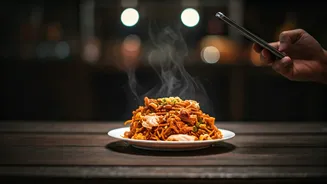
In the bustling lanes of India, a new kind of fame is being cooked up, not by traditional food critics, but by the democratic and chaotic power of social media. Food bloggers and vloggers have become modern-day kingmakers. [9, 19] With a single, well-shot
video posted to Instagram or YouTube, they can catapult a small, unnoticed food stall into the limelight. [9] The formula is often simple: find a vendor with a unique dish, a compelling story, or exceptional skill, and capture it in a short, engaging format. The algorithm does the rest. Shares, likes, and comments create a snowball effect, and within hours, millions can know the name of a stall that, just yesterday, was serving only its local neighbourhood.
The 'Baba Ka Dhaba' Phenomenon
No story illustrates this better than that of Baba Ka Dhaba. In 2020, a video of Kanta Prasad, an elderly man tearfully describing his pandemic-era struggles to keep his small Delhi food stall afloat, went viral. [7, 8] The response was immediate and overwhelming. [12] Donations poured in, celebrities shared the story, and crowds thronged the previously empty stall. [5] For a moment, it seemed like a modern-day fairy tale. The viral wave gave Prasad the funds to open a full-fledged restaurant in December 2020. [5, 6] It was a snapshot of collective generosity, showing how social media could mobilise the nation around a single human story. [5]
A Double-Edged Sword
However, the Baba Ka Dhaba story also serves as a cautionary tale. The new restaurant, born from sudden fame, was shut down by February 2021 due to heavy losses and a lack of customers. [6, 8] Prasad returned to his original roadside stall, his journey highlighting the harsh reality that viral fame is not the same as a sustainable business model. The story was further complicated by disputes over the handling of donations. [5, 7] This experience underscores a crucial point: while virality can bring unprecedented attention, it also brings immense pressure. Stalls are often not equipped to handle the sudden surge in demand, leading to long waits, inconsistent quality, and eventual burnout. [11] The very authenticity that made them famous can be lost in the chaos of mass attention.
The New Rules of Food Discovery
This trend is fundamentally changing how we discover and interact with food. It's a democratization of food critique, where a user’s post can carry as much weight as a professional review. [9] For vendors, maintaining a social media presence is becoming increasingly important, yet it's a challenge for small-scale entrepreneurs with limited time and technical skills. [9, 10] The competition is fierce, and the pressure to stand out can be immense. Furthermore, the focus on 'virality' can sometimes overshadow the most important aspect: the food itself. Debates often erupt online over the hygiene and authenticity of viral stalls, as seen in a recent case of a 'clean' street food vendor from Kochi that divided the internet. [2, 3]
Beyond the Hype
The rise of the overnight-famous food stall is more than just a passing trend; it's a reflection of our digitally-driven culture. It shows the immense power of social media to do good, to rally support for those in need, and to celebrate the unsung heroes of our culinary landscape. [12] Yet, it also reveals the fleeting and often brutal nature of internet fame. The credibility of food vloggers and the quality of their information directly impact consumer attitudes and intentions, making them powerful influencers in the food ecosystem. [20] As consumers, the next time a food video pops up on our feed, it’s worth thinking about the story behind the stall. Supporting these businesses is wonderful, but sustainable success requires more than just a fleeting moment in the digital spotlight. It requires a consistent customer base that values quality and service long after the cameras have moved on.