





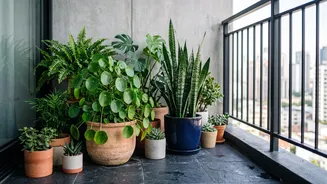
Find the Perfect Spot
Before you buy a single seed, play detective in your own home. Most vegetable and flowering plants need at least five to six hours of direct sunlight each day to thrive. Observe your balcony, windowsill, or terrace throughout the day to find the brightest
spot. A south-facing location often gets strong sun, which is great for vegetables like tomatoes and peppers, while an east-facing spot offers gentler morning light suitable for many herbs and flowers. Also, consider convenience. Choosing a spot near a water source will make your new plant care routine much easier to maintain.
Start Small and Simple
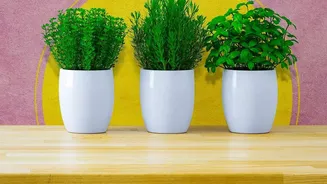
The key to not getting overwhelmed is to start small. Begin with just three to five easy-to-grow plants in containers. This allows you to learn the ropes of watering, light, and pest control on a manageable scale. For beginners in India, resilient choices like Tulsi (Holy Basil), Mint, Marigolds, or simple greens like Coriander (Dhania) and Spinach (Palak) are excellent. These plants are generally forgiving and provide quick, rewarding results, which helps build your confidence for more ambitious gardening projects later on.
Get the Soil Right
Good soil is the foundation of a healthy garden. While it might be tempting to just scoop up some dirt from outside, container plants have specific needs. A quality potting mix is essential because it is designed to be light, provide good drainage, and retain the right amount of moisture. For a simple DIY mix popular in India, combine equal parts coco peat (or garden soil), compost (like vermicompost), and sand. This blend ensures that your plant's roots have access to air, water, and nutrients. Always choose pots with drainage holes at the bottom to prevent water from logging and causing root rot.
Master the Art of Watering
Overwatering is one of the most common mistakes beginners make. Instead of watering a little bit every day, it's better to water deeply but less frequently. The best way to know if your plant needs water is to check the soil. Stick your finger about an inch deep; if the soil feels dry, it's time to water. Water until you see it running out of the drainage holes. The ideal time to water is in the early morning, which allows the plant to absorb moisture before the heat of the day and reduces the risk of fungal diseases.
Nurture Your Green Friends
Think of fertilizer as food for your plants. A good potting mix will have enough nutrients for the first few weeks, but after that, you'll need to replenish them. Organic options like vermicompost or compost tea are fantastic for beginners. You can add a handful of compost to the top layer of soil every three to four weeks. This slow-release method provides a steady supply of nutrients without the risk of burning the plant's roots, which can happen with chemical fertilizers. Also, remember to gently remove any dead leaves or spent flowers to encourage new growth.