




The Post-Meal Blood Sugar Connection
Whenever you eat, your body breaks down carbohydrates into glucose, which enters your bloodstream. This causes your blood sugar levels to rise. In response, your pancreas releases insulin to help transport that glucose into your cells for energy. For
many people, especially after a carb-heavy meal, this can lead to a sharp spike in blood sugar, followed by a crash that leaves you feeling tired and lethargic. Research shows that a short walk taken after a meal can significantly blunt this spike. Studies have found that walking for just 10 to 15 minutes after eating is highly effective at managing blood sugar levels, sometimes more so than one longer 45-minute walk taken at another time of day.
How a Simple Walk Works Wonders
The science behind this is straightforward. When you start walking, your muscles need energy to move. They get this energy by pulling glucose directly from your bloodstream. This process happens quickly, often within minutes of starting the exercise. By using up the glucose that has just entered your system from your meal, you prevent it from lingering in your blood and causing a dramatic spike. This not only helps stabilise your energy levels but also improves your body’s sensitivity to insulin over time, making it more efficient at managing blood sugar in the future. This benefit isn't just for those managing diabetes; anyone can gain from preventing sharp glucose fluctuations throughout the day.
Easing Soreness and Aiding Digestion
The headline's second promise—relieving soreness—is also rooted in the benefits of light movement. While a gentle walk won't cure the intense delayed-onset muscle soreness (DOMS) from a heavy gym session, it is excellent for easing general stiffness, aches, and the discomfort that comes from being sedentary. Walking increases blood flow throughout your body, delivering oxygen and nutrients that help muscles feel better and recover. This improved circulation can help break up the mild stiffness that accumulates from sitting at a desk or on the couch. Furthermore, movement stimulates the digestive system. A post-meal stroll can help food move through your stomach and intestines more quickly, which can reduce feelings of bloating, gas, and excessive fullness.
Making the Post-Meal Walk a Habit
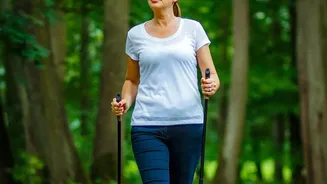
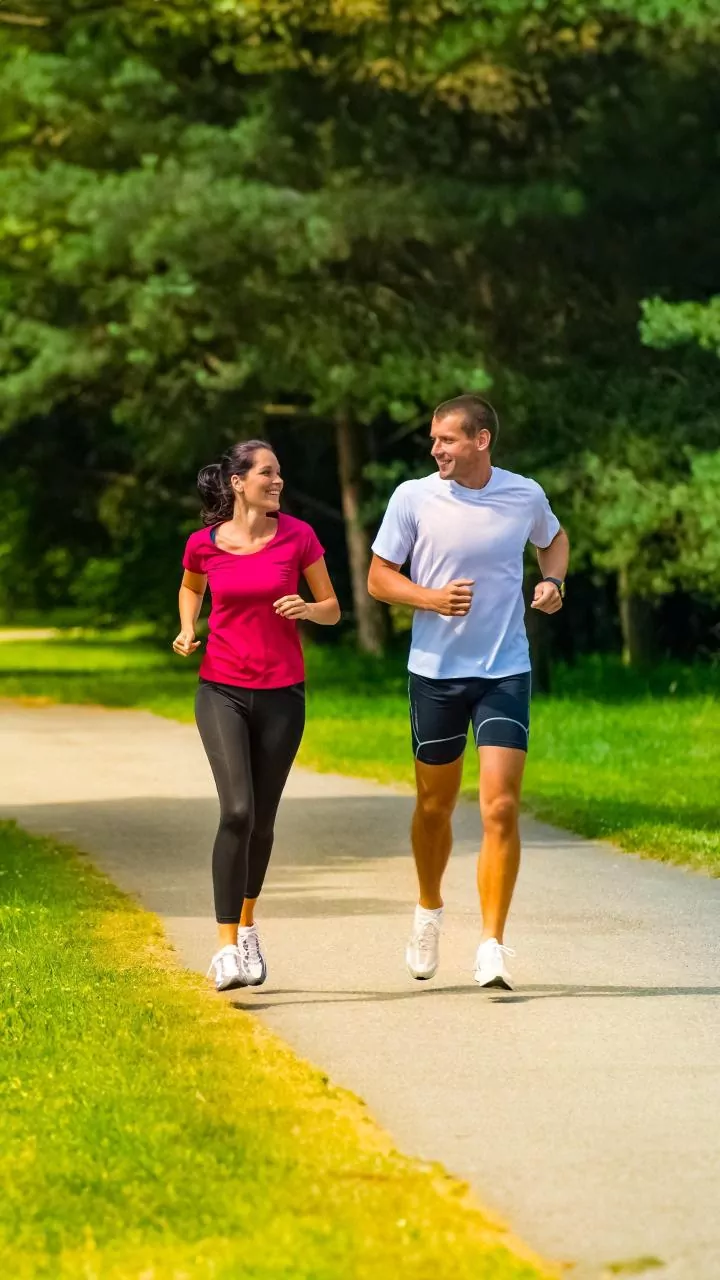
Incorporating this habit into your life is simple. The key is timing and consistency. For the greatest blood sugar benefits, aim to start your walk within 30 to 60 minutes of finishing your meal, as this is when glucose levels typically peak. A duration of 10 to 15 minutes is a great starting point and has been shown to be highly effective. The intensity should be light to moderate—a gentle stroll is perfect. You should be able to hold a conversation easily. The goal is not an intense workout, which could actually divert blood away from your digestive system. Just a simple, pleasant walk around your neighbourhood, office complex, or even your living room is enough to make a real difference.