




Understanding the Source of Compost Smells
A healthy compost system shouldn't smell like garbage. If it does, it's not a failure, but a sign that something is out of balance. A pleasant, earthy scent—like a forest floor after rain—indicates that beneficial microbes are happily doing their job.
Unpleasant odors, like rotten eggs or sour garbage, are distress signals. These smells almost always point to one primary culprit: the process has become anaerobic, meaning it's happening without enough oxygen. This is where your kitchen scraps, especially the wet ones, play a leading role.
The Science of Smell: Aerobic vs. Anaerobic
Composting relies on microorganisms to break down organic matter. These tiny helpers fall into two main camps. Aerobic microbes thrive in oxygen-rich environments. They work efficiently, generate heat, and produce that desirable, soil-like smell. Anaerobic microbes take over when oxygen is scarce. This happens when a compost bin becomes compacted and waterlogged, with moisture filling all the air pockets. These are the microbes that produce foul-smelling byproducts like hydrogen sulfide (the rotten-egg smell) and other pungent compounds. So, the fundamental rule of odor-free composting is to keep it aerobic by ensuring good airflow.
Why Wet Scraps Are the Main Offender
Food scraps are mostly water. High-moisture items like melon rinds, cucumber peels, citrus fruits, and leftover tomatoes can quickly saturate an indoor composting system. When you dump a container of mixed scraps into your bin, this excess liquid pools at the bottom or creates dense, sodden layers. This water displaces air, creating the perfect breeding ground for those smelly anaerobic bacteria. It also makes the entire mixture heavy and compact, further restricting airflow. Without proper management, even the most advanced indoor composter can be overwhelmed by too much liquid, leading to a stinky, sludgy mess. This is why simply adding food scraps without a strategy is the most common reason indoor systems fail or get abandoned.
The 'Greens' and 'Browns' Balancing Act
The solution lies in balancing your 'greens' and 'browns'. In composting lingo, 'greens' are nitrogen-rich materials like your fruit and vegetable scraps, coffee grounds, and fresh plant trimmings. 'Browns' are carbon-rich, dry materials like shredded cardboard, newspaper, dried leaves, and sawdust. Browns provide structure, create air pockets, and, most importantly, absorb excess moisture from the greens. The ideal carbon-to-nitrogen ratio for fast, hot composting is around 25-30 parts carbon to 1 part nitrogen. As a practical rule of thumb for home composters, this translates to adding about two to three parts of 'brown' material for every one part of 'green' material by volume. This balance is the key to managing moisture and keeping your compost pile breathing.
A Practical Sorting Strategy at the Source
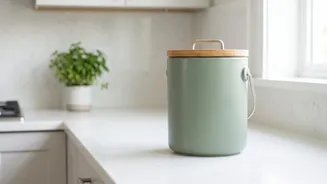
This is where sorting at the source becomes a game-changer. Instead of one catch-all container on your counter, adopt a two-container mindset, even if it's just for a moment. Keep your main compost pail for most scraps. Have a separate small bowl or colander for exceptionally wet items. Before adding very juicy scraps to your bin, you can let them drain in the sink for a few minutes. Another strategy is to immediately layer wet scraps with a generous handful of 'browns'. Keep a small bag of shredded paper, cardboard egg cartons, or wood pellets next to your bin. Every time you add 'greens', add a covering of 'browns'. This simple habit prevents moisture from ever building up, absorbing it on contact and maintaining the airy structure your aerobic microbes need to thrive.
Applying the Principle to Different Systems
This moisture-management principle applies across all types of indoor composting. In vermicomposting (worm bins), excess moisture can lead to anaerobic conditions and even drown your worms, who breathe through their skin. A bin that's too wet will smell and may attract pests. Bokashi is a fermentation (anaerobic) process, but it still requires you to drain off the liquid 'tea' regularly to prevent the contents from becoming overly saturated and putrid. Even high-tech electric composters, which use heat and grinding to accelerate decomposition, perform better when not overloaded with liquid. While they have drying cycles, an excessive amount of wet waste can strain the machine and lead to subpar results. Managing moisture at the source is a universal key to success.