


Why Georgia is a Workation Paradise
Before we dive into the mountains, let's talk about why Georgia has become a darling of the remote work community. For starters, its visa policy is incredibly welcoming, with many nationalities (including Indians) getting up to a year of visa-free stay.
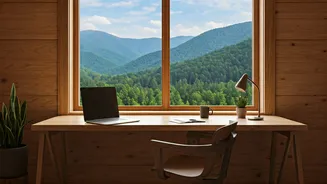
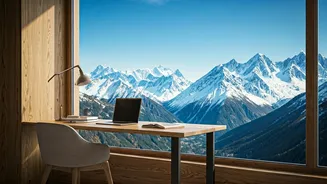
This eliminates a huge bureaucratic hurdle. Secondly, the cost of living is remarkably low compared to most of Europe. A delicious meal, a comfortable stay, and high-speed internet won't drain your bank account. Finally, the country packs a stunning variety of landscapes into a small area. Within a few hours, you can go from the vibrant capital, Tbilisi, to serene, snow-capped peaks. This combination of accessibility, affordability, and epic scenery makes it the perfect workation launchpad.
Kazbegi (Stepantsminda): The Iconic Choice
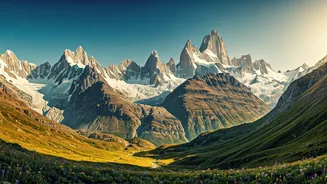
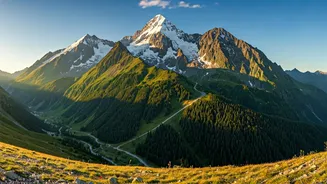
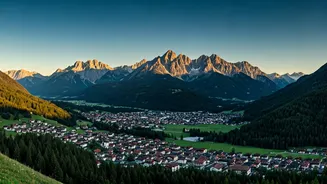
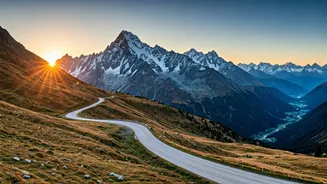
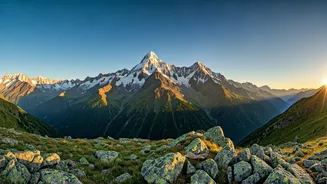
When you picture a Georgian mountain workation, you're likely picturing Kazbegi. The town of Stepantsminda sits in the shadow of the mighty Mount Kazbek, with the iconic Gergeti Trinity Church perched on a nearby hill. This is the postcard view you’ll have during your video calls. While there aren't massive, dedicated co-working buildings, the town is geared towards tourists and remote workers. Many guesthouses and boutique hotels offer excellent Wi-Fi and common areas perfect for working. Cafes like 'Shorena's Bar' offer a cosy spot to work with a view. Expect to pay around ₹2,000-₹3,500 per night for a good guesthouse. After work, countless hiking trails await, offering some of the most breathtaking views in the Caucasus.
Gudauri: For the Adventure Seeker
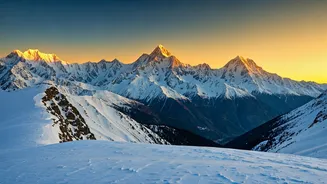
If your ideal work-life balance involves hitting the slopes after your last email, Gudauri is your spot. As Georgia's premier ski resort, it comes alive in winter. The infrastructure here is more modern, with many apartment-style hotels (known as 'New Gudauri') that are perfect for longer stays. These often come with kitchens, reliable internet, and access to amenities like pools and gyms. During the day, you can focus on work, and in the afternoon, you're just minutes away from world-class skiing and snowboarding. While slightly pricier during ski season (December-March), it’s still a bargain compared to Alpine resorts. In the summer, the crowds disappear, prices drop, and the area becomes a paradise for hikers and paragliders.
Svaneti (Mestia): Off the Beaten Path
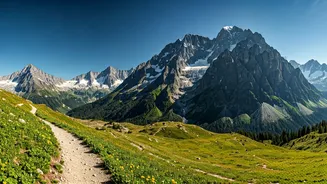
For those who crave authenticity and are willing to go a bit more remote, Svaneti is a magical region. The main town, Mestia, is famous for its medieval stone defensive towers that give the landscape a 'Game of Thrones' feel. This is a journey into Georgia's ancient heart. The co-living scene here is less formal and more about community. You'll likely stay in a family-run guesthouse where you share meals and stories with your hosts and other travellers. While internet speeds have improved drastically, it’s wise to have a mobile data backup. What you trade in urban convenience, you gain in cultural immersion and access to some of the country’s most spectacular, untouched hiking trails, like the popular trek to Ushguli, a UNESCO World Heritage site.
Your Pocket-Friendly Georgian Budget
So, what does 'pocket-friendly' actually mean? Let's break it down. A private room in a guesthouse in mountain towns can range from ₹1,500 to ₹3,000 per night. A monthly rental for a small apartment in a city like Tbilisi could be as low as ₹25,000-₹40,000. Food is a major win; you can eat a delicious 'Khachapuri' (cheese-filled bread) for under ₹300 or have a hearty dinner with wine for ₹800. A monthly co-working pass in Tbilisi costs around ₹8,000-₹12,000, though working from cafes or your guesthouse is often free. A comfortable monthly budget for a solo digital nomad, including accommodation, food, and some travel, could realistically fall between ₹60,000 and ₹90,000, offering incredible value for the experience.