
What Are Nigella Seeds?
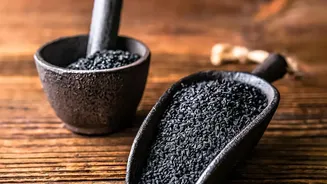
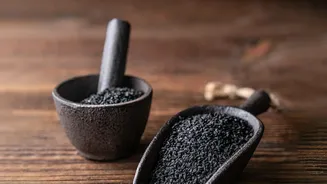
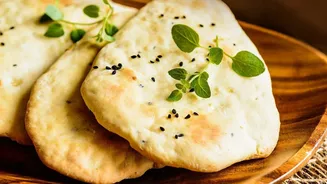
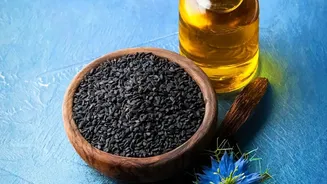
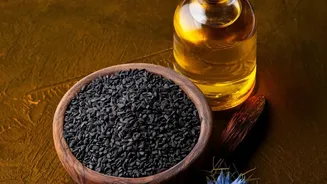
Often found sprinkled on naan bread or stirred into Middle Eastern pastries, nigella seeds are the small, matte black seeds of the Nigella sativa plant, which belongs to the buttercup family. Though sometimes mistakenly called black onion seeds, black cumin,
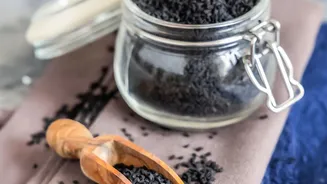
or even black sesame seeds, they are botanically distinct from all of them. In India, they are widely known as kalonji. These tiny, angular seeds have been used for thousands of years in South Asian, Middle Eastern, and North African cuisines, prized for a unique flavour that is all their own. The key difference is in the appearance and taste: while black sesame seeds are flat, oval, and nutty, nigella seeds are more triangular, matte, and have a peppery bite.
A Uniquely Subtle Flavour
The magic of nigella seeds lies in their complex but mild flavour profile. When you bite into one, you first get a slight bitterness that quickly gives way to a peppery, savoury note often described as a combination of onion, black pepper, and oregano. Some also detect nutty or earthy undertones. Unlike more aggressive spices such as caraway or cumin, nigella’s flavour is more of an interesting whisper than a shout. Toasting the seeds lightly in a dry pan or in hot oil before use is highly recommended, as it mellows the bitterness and amplifies their warm, nutty, and onion-like aroma, unlocking their full potential. However, a little goes a long way; too much can make a dish overly bitter, so it's best to start with a teaspoon or two.
The Perfect Match for Soft Breads
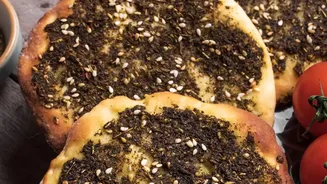
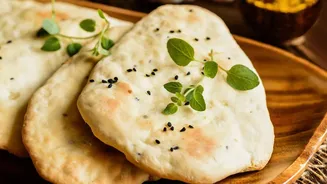
While robust, crusty loaves can handle strong flavours, softer breads require a more delicate touch. The pillowy crumb of a dinner roll, the tender chew of naan, or the richness of a buttery brioche can be easily overpowered by potent spices. This is where nigella seeds truly excel. Their mild pungency complements the subtle sweetness of the bread dough rather than competing with it. The seeds add a savoury depth and a pleasant, gentle crunch that enhances the overall texture. Whether kneaded into the dough of a Turkish flatbread or sprinkled atop a fluffy garlic loaf, nigella seeds provide just enough aromatic complexity to make a simple bread feel special without masking its simple, comforting nature.
How to Use Them in Baking
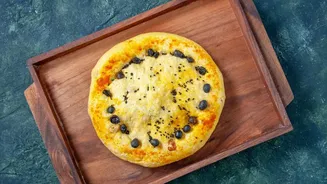
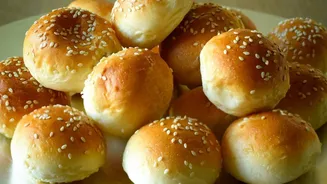
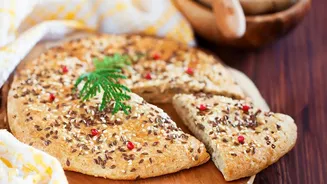
Incorporating nigella seeds into your baking is wonderfully simple. For a decorative and flavourful crust, you can sprinkle them on top of your dough just before baking. Brushing the surface with an egg wash or a little water first will help the seeds adhere. They are a classic topping for flatbreads like naan and pitta. You can also knead the seeds directly into the dough during the final stages of mixing. This infuses the entire loaf with their subtle, peppery notes. A good starting point for a standard loaf is about one to two teaspoons of seeds. They work beautifully in savoury scones, soft bread rolls, and even enriched doughs for buns, pairing especially well with garlic, butter, and fresh herbs.