



A Return to Tradition
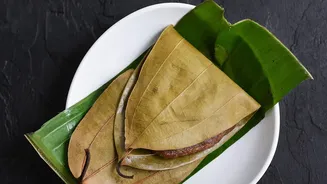
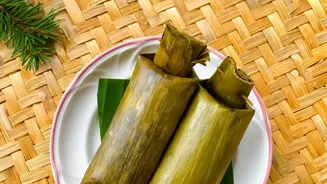
Across India, a young generation is discovering that the most modern way to celebrate is by looking to the past. Instead of single-use plastics and paper plates, hosts are turning to banana leaves as the foundation for their festive spreads. This is more
than just a nostalgic nod; it's a conscious choice that blends cultural heritage with a contemporary desire for sustainability. Using banana leaves for serving food is a long-standing tradition, particularly in South India, but it is seeing a resurgence among urban youth who value authenticity and environmental responsibility. These gatherings are not just about eating; they are about making a statement that celebrations can be both beautiful and biodegradable.
The Allure of the Banana Leaf
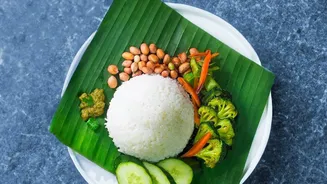
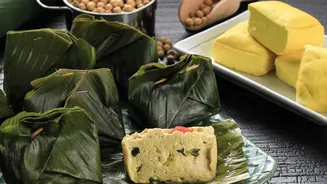
So why the return to this simple leaf? The benefits are manifold. First, it is completely eco-friendly, breaking down naturally and leaving no waste behind. This makes it a guilt-free alternative to plastic or styrofoam, which can pollute the environment for centuries. Beyond its green credentials, the banana leaf enhances the dining experience. When hot food is placed on it, the leaf's waxy coating releases polyphenols, natural antioxidants that can leach into the food. It also imparts a subtle, earthy aroma that elevates the flavour of the meal. Furthermore, the leaves have natural antimicrobial properties, making them a hygienic surface for serving food. Their large, flexible surface is perfect for holding a variety of dishes, from rice and curries to pickles and sweets, creating the quintessential Indian feast platter.
Celebrating Local Flavours
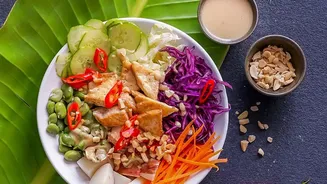
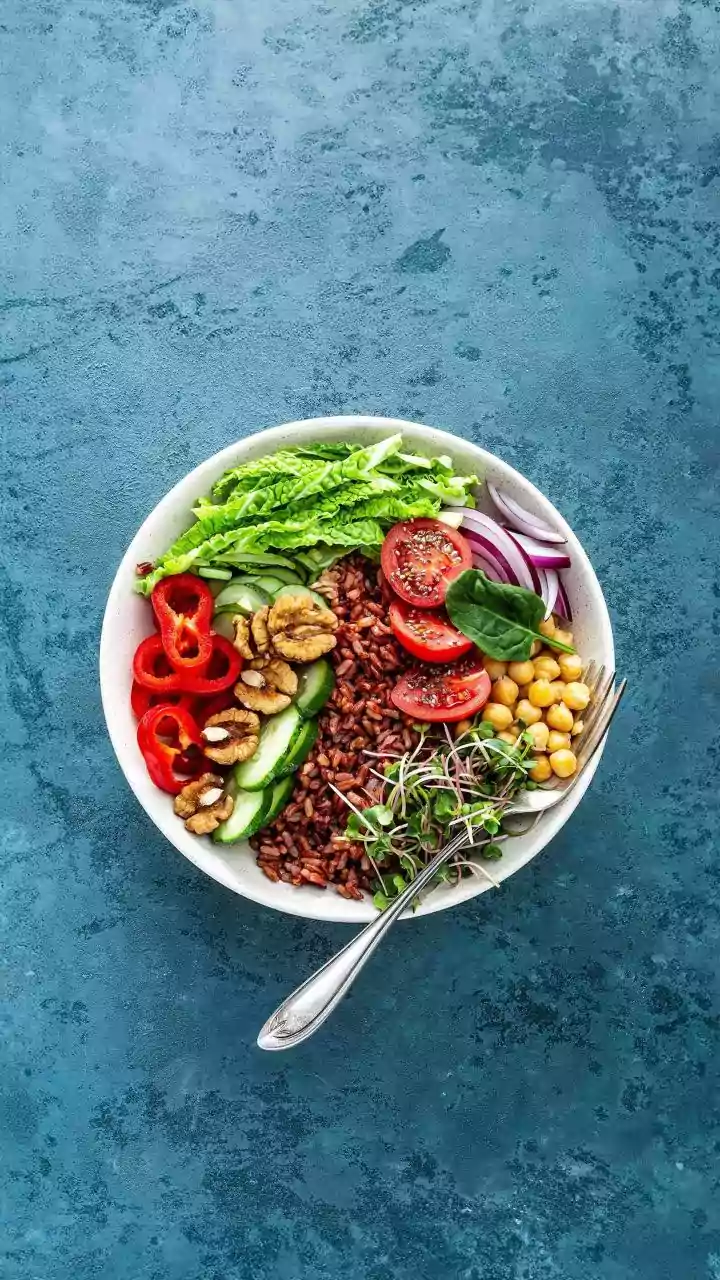
The sustainable ethos extends from the plate to the produce. Young hosts are increasingly prioritising fresh, locally sourced ingredients for their festive menus. This farm-to-table approach means seeking out neighbourhood farmers' markets, subscribing to community-supported agriculture (CSA) boxes, or even growing herbs and vegetables in their own kitchen gardens. The logic is simple: local produce is fresher, tastes better, and has a smaller carbon footprint due to reduced transportation. By sourcing locally, hosts not only serve higher quality food but also support their regional economies and build a stronger connection to the food they eat. This movement celebrates India's immense agricultural diversity, putting seasonal ingredients at the heart of the celebration.
Your Guide to a Sustainable Feast
Inspired to host your own eco-friendly gathering? Mastering a sustainable feast is easier than you think. Start by planning your menu around seasonal ingredients available from local vendors. This ensures maximum flavour and minimal environmental impact. Next, source your 'crockery'—banana leaves are readily available in many local markets. Just give them a good rinse before use. When it comes to decor, think natural. Use potted plants, fresh flowers, or handmade items instead of disposable decorations. To minimise food waste, plan your portions carefully and have reusable containers ready for guests to take home leftovers. Finally, send digital invitations instead of paper ones and consider giving experiences or handmade items as party favours to complete the zero-waste theme.