



The Economics of the Shoulder Season
The most compelling reason to plan a Himalayan trip in November is the significant drop in costs. As the peak tourist season, which runs through summer and the autumn festive period, winds down, so does the demand. Airlines, hotels, and tour operators
often reduce their rates to attract travellers. This 'shoulder season' offers a sweet spot where you can find accommodation and transport for a fraction of their peak prices. Travellers can see prices drop by as much as 20-40% compared to the high season months of October or December. This makes a trip that might seem extravagant during peak times suddenly much more accessible, without a major compromise on the experience.
Solitude and Serene Trails
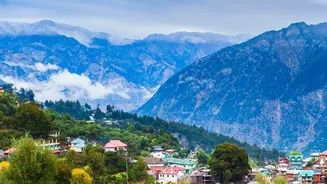
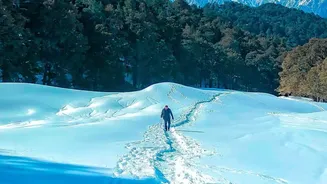
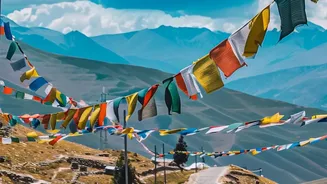
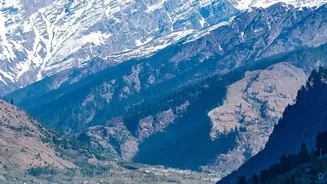
Imagine popular viewpoints and trekking paths without the usual throng of visitors. November offers exactly that. The holiday rush of Diwali and Durga Puja has passed, and the year-end holiday crowds have yet to arrive. This lull means you can experience the profound tranquillity of the mountains in a way that is simply not possible in October or May. Treks that feel like highways in peak season become peaceful paths, allowing for a more personal and immersive connection with nature. Whether you are exploring the serene monasteries of Sikkim, the meadows of Uttarakhand, or the foothills around Darjeeling, you will find more space and quiet to soak in the atmosphere.
Unbeatable Views and Crisp Weather
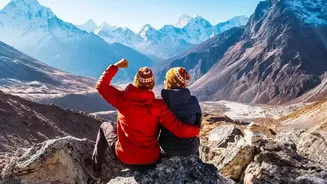
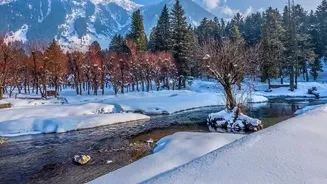
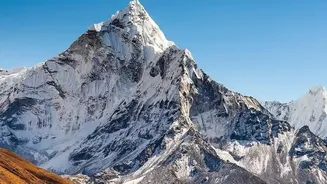
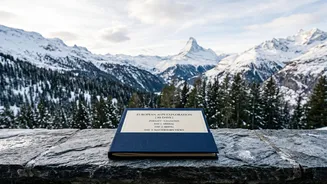
While November marks the transition towards winter, its weather is a major advantage. The monsoon has long passed, washing the dust and haze from the atmosphere. The result is exceptionally clear blue skies and crisp air, offering stunning, unobstructed views of the snow-capped peaks. Photographers often consider this period the best time of year for capturing the sharp, detailed mountain panoramas. Days are generally cool and pleasant for walking or sightseeing, though you should expect a significant drop in temperature after sunset. The cold is a manageable trade-off for the spectacular visibility and the golden, autumnal colours still visible in the forests and meadows.
Accessible Adventures and Activities
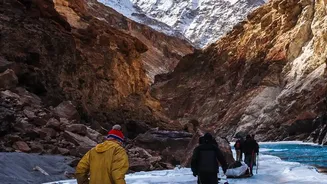
Contrary to what some might think, a November trip is not severely limited. While some very high-altitude passes may begin to see snow or close by the end of the month, a vast number of popular treks and destinations remain open and are, in fact, ideal. In Uttarakhand, treks like Dayara Bugyal, Chopta-Chandrashila, and Kedarkantha are perfect for November. These routes offer breathtaking views and pass through beautiful forests and meadows. Himachal Pradesh and Sikkim also offer numerous accessible trails and sightseeing opportunities. It is a fantastic time for lower-altitude forest treks, spiritual journeys, and cultural exploration in towns that are far less commercialised than in peak season.
How to Plan Your November Trip
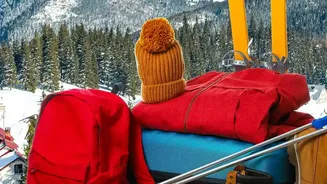
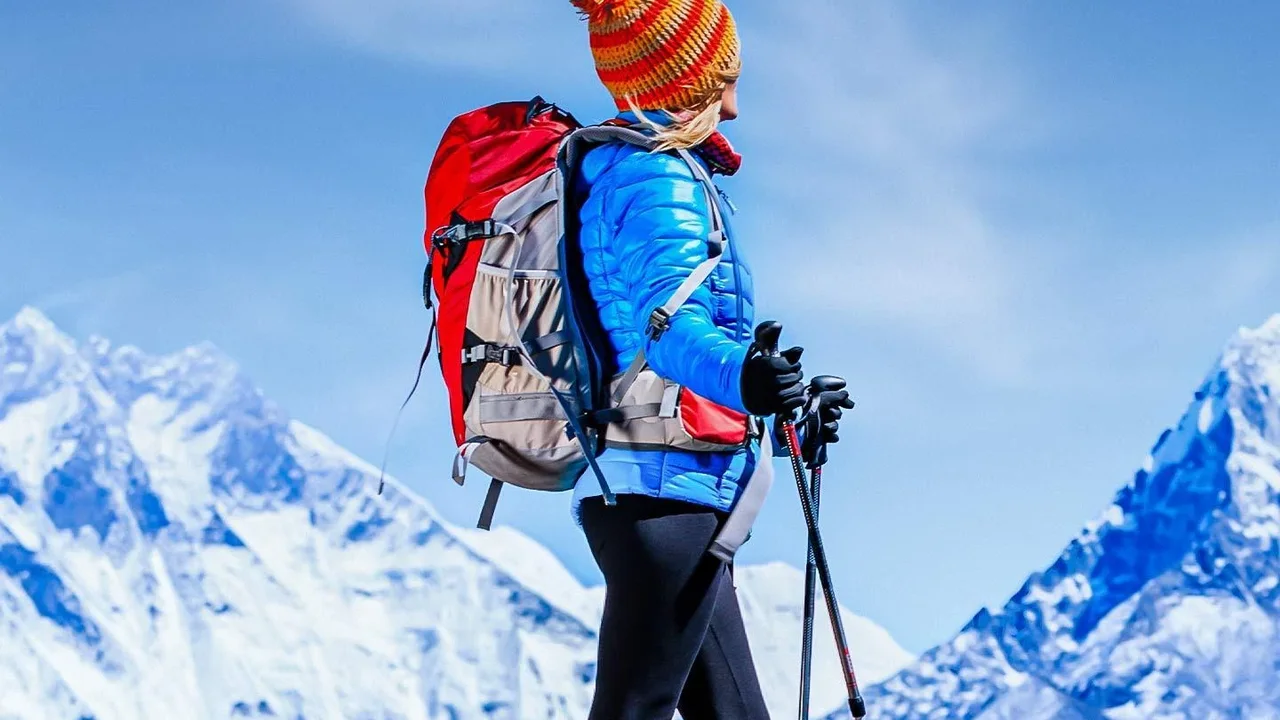
A successful November Himalayan vacation requires some smart planning. The key is to pack in layers. Days can be mild and sunny, but nights and higher elevations will be cold, so thermal wear, fleece jackets, and a windproof outer layer are essential. While it's the off-season, it's still wise to book your primary accommodation in advance, especially if you have specific places in mind. Always check the current road and trail conditions before you travel, as early snowfall can occasionally affect accessibility, particularly in the latter half of the month. Flexibility is a great asset; having a backup plan or an extra day in your itinerary can help you navigate any unexpected weather-related changes.