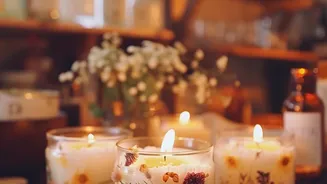




There’s a unique satisfaction in filling your home with a beautiful scent you’ve crafted yourself. Store-bought candles are lovely, but making your own is a rewarding, creative process that lets you design a fragrance that is perfectly you.
Gathering Your Supplies
Before you
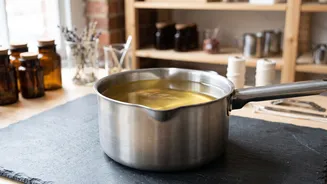
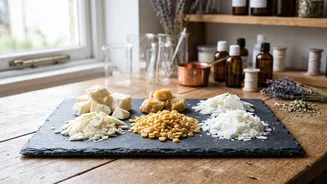
begin, you’ll need to assemble your candle-making toolkit. Having everything ready makes the process smooth and enjoyable. You will need candle-making wax (like soy or beeswax flakes), pre-waxed wicks with metal bases, containers for your candles (heat-resistant glass jars or tins work well), a pouring pot or a heatproof bowl to melt the wax, a larger saucepan to create a double boiler, a thermometer, and fragrance oils or essential oils. For securing the wick, you can use wick stickers, a dab of hot wax, or a clothespin laid across the jar's mouth to hold it in the centre.
Choosing the Right Wax
The type of wax you choose affects your candle's burn time, scent strength, and appearance. Soy wax is a popular choice for beginners; it's an eco-friendly, renewable resource that burns cleanly and slowly. It’s ideal for container candles and holds scent well. Beeswax is another natural option, known for its long burn time and a subtle, sweet honey aroma of its own. It can be more expensive and harder to work with than soy. Coconut wax blends are becoming a luxury favourite, praised for their excellent scent throw and creamy, smooth tops, though they are often softer. Paraffin wax, a traditional choice, is known for its ability to hold strong, vibrant scents and colours.
The Art of Selecting a Scent
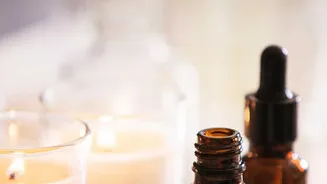
This is the most creative part. You can use fragrance oils, which are specifically designed for candles and offer a wider, more consistent range of scents, or essential oils for a more natural, subtle aroma. Fragrance oils are generally better at holding up to the heat of melted wax. Scents fall into families like fresh (citrus, mint), floral (lavender, rose), woody (cedarwood, sandalwood), and gourmand (vanilla, cinnamon). For a relaxing mood, try lavender and cedarwood. For an energizing feel, lemon and eucalyptus is a great choice. During festive seasons, a warm blend of cinnamon, clove, and sweet orange creates a cosy atmosphere.
Step-byStep: From Melting to Pouring
First, set up your workspace by protecting surfaces with newspaper. Prepare your container by securing the wick to the bottom centre. Use a clothespin or wick bar to keep it straight and centred at the top. Next, melt your wax. Use a double boiler method by placing your pouring pot or bowl with wax flakes inside a larger pot with a few inches of simmering water. Heat the wax gently, stirring occasionally, until it is fully melted. Check the temperature; most fragrance oils should be added when the wax is around 85°C (185°F) to ensure the scent binds properly with the wax. Stir the fragrance oil into the wax for about two minutes. Let the wax cool to the recommended pouring temperature, often around 57°C (135°F) for soy wax, before pouring it slowly into your prepared containers.
The Final Touches and Curing
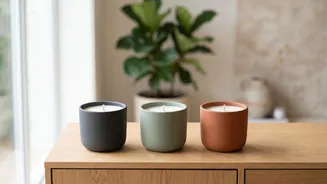
After pouring the wax, ensure the wick remains centred. Let the candles cool and solidify completely at room temperature for several hours, or even overnight. Wrapping the jars in a towel can help prevent the wax from cooling too quickly, which can cause cracks. Once the candle is fully hardened, trim the wick to about a quarter of an inch (6mm) above the wax surface. This is a crucial step for a clean, safe burn. Finally, be patient. Most candles need to 'cure' for at least a week, and sometimes up to two. This allows the fragrance to fully incorporate with the wax, resulting in a much stronger scent when you finally light it.
Safety First Always
Both making and burning candles requires care. When making candles, never leave melting wax unattended. Wear protective clothing and work in a wellventilated area away from children and pets. Use only heatresistant containers specifically meant for candles. When burning your finished creation, never leave it unattended and keep it away from flammable items like curtains or books. Always place the candle on a stable heatresistant surface. For a safe and even burn , trim the wick before every use and don't burn a candle for more than four hours at a time.