





An Uneven and Anxious August
After a delayed start in June, India's southwest monsoon gained momentum in July, helping to narrow the significant rainfall deficit and accelerate the sowing of Kharif crops. However, August has brought fresh anxiety. While some regions have seen heavy
showers, many of the country's critical agricultural belts are experiencing a worrying 'break' in the monsoon. As of mid-August, overall Kharif sowing was tracking about 2% lower than the previous year, a small but significant gap. The India Meteorological Department (IMD) has forecast that rainfall activity could remain weak through the rest of the month, a critical period for crop development. This uneven distribution is the core of the problem; even if the national average looks manageable, prolonged dry spells in key districts can have an outsized impact on the final harvest.
Crops Under Moisture Stress
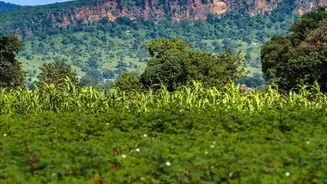
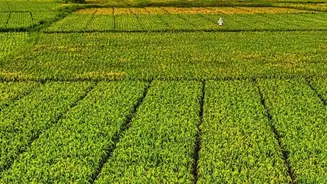
The timing of rainfall is just as important as the quantity. Key Kharif crops like paddy (rice), soybeans, maize, and pulses are currently in their vegetative or reproductive growth stages. A lack of moisture now can severely stunt development, hurting flowering and grain-filling, which directly determines the final yield. According to data from the Agriculture Ministry as of August 14, rice acreage was down by 3.7% compared to last year. Similarly, sowing for maize and tur (pigeon pea) had also fallen by around 4% each. Many of the country's most productive districts for these crops are reporting significant rainfall deficits. For example, reports indicate that 40 of India's top 50 rice-producing districts, and 21 of the top 25 soybean districts, were experiencing rainfall deficits, putting these crops at particular risk.
The View From the Fields
For millions of farmers, this meteorological uncertainty translates into direct financial risk. Around 45% of India’s net sown area is rain-fed, meaning it lacks access to regular irrigation and is completely dependent on the monsoon. For these farmers, a dry spell means watching their investment of seeds, fertiliser, and labour potentially wither away. While some can turn to expensive diesel-powered water pumps, this raises production costs and eats into already thin profit margins. The fear is not just a smaller harvest, but a cascade of consequences: difficulty in repaying loans, reduced household income, and deeper rural distress. This year highlights the vulnerability of farmers who rely on rain-fed agriculture, particularly those growing pulses, oilseeds, and coarse cereals in central and western India.
A Ripple Effect on Your Wallet
The fate of the Kharif season is not just a rural issue; it has a direct impact on urban households. Agriculture is a massive component of the Indian economy, and a poor harvest can send ripples across multiple sectors. Reduced farm incomes lead to lower demand for everything from tractors to fast-moving consumer goods, potentially slowing overall economic growth. More immediately, a shortfall in the production of essential commodities like rice, pulses, and oilseeds can lead to food inflation. With sowing for key crops like rice and soybeans already lagging, concerns are growing about production levels, which could tighten supply and drive up prices for everyone in the coming months.
Can the Season Still Be Saved?
While the sowing window has largely closed, the final outcome of the Kharif season is not yet written in stone. The productivity of the sown crops now depends entirely on whether they receive adequate moisture through the rest of August and September. A late revival of the monsoon could still salvage many standing crops, particularly those that are hardy or were planted in areas with better soil moisture. The IMD has noted the formation of a low-pressure area that is expected to bring heavy rainfall to eastern states like Odisha and West Bengal, but a more widespread revival is needed. Government agencies are monitoring the situation closely, armed with contingency plans that could include advisories for alternative crops or measures to manage water resources. The next two to three weeks will be absolutely critical in determining the fate of the harvest.