



A Guiding Principle for Any Project
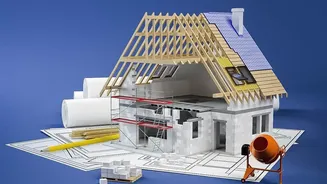
When faced with a seemingly endless list of repairs and improvements, it’s easy to get paralyzed by choice or waste energy on the wrong tasks. This philosophy offers a hierarchy of needs for your project, much like a pyramid. By building a solid foundation
of safety and function, you create a stable base for the aesthetic improvements that make a space truly enjoyable. Home inspectors and contractors agree that this prioritized approach is not only safer but also more cost-effective. It prevents you from having to undo cosmetic work to fix a deeper issue that was ignored. This method transforms chaos into a clear, step-by-step plan.
Priority One: Address the Unsafe
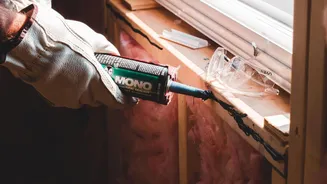
Before anything else, you must address issues that pose a risk to health, life, or the structural integrity of your property. These are the non-negotiable repairs that protect you and your investment. Think of issues like faulty electrical wiring, gas leaks, a damaged roof that lets in water, foundation cracks, or the presence of mold. Ignoring these dangers doesn’t just put you at risk; it can lead to catastrophic and expensive failures down the line. A beautiful new kitchen is worthless if the foundation beneath it is crumbling. Always begin by conducting a thorough assessment to identify and resolve any safety hazards. This first step isn't the most glamorous, but it is the most critical. It’s the bedrock upon which all other improvements will stand.
Priority Two: Restore the Useful
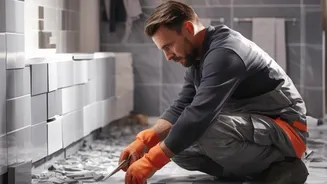
Once the environment is safe, the next focus is on functionality. This stage is about making your space livable and efficient for daily use. A home that is safe but not functional doesn't serve its primary purpose. This category includes repairing plumbing to ensure consistent hot water, fixing a broken heating or cooling system, addressing poor ventilation, or replacing essential appliances that no longer work. It also covers restoring things that, while not dangerous, impede the use of the space—like a door that won’t close properly or a kitchen layout that makes cooking a frustrating chore. Restoring utility is about ensuring the core functions of your home work reliably, providing comfort and convenience that makes daily life smoother.
Priority Three: Improve the Appearance
With a safe structure and functional systems in place, you can finally turn your attention to the most rewarding part: aesthetics. This is where you get to express your personal style and make a space truly your own. This final layer includes everything from painting walls and replacing flooring to updating light fixtures, upgrading countertops, and enhancing curb appeal with landscaping. These are the changes that provide immense visual and emotional satisfaction. Because you’ve already handled the critical repairs, you can make these cosmetic upgrades with confidence, knowing they won’t be undone by a hidden problem. This is the stage where a house truly becomes a home, reflecting your personality and bringing you joy.
A Philosophy for Smarter Living
This three-tiered approach extends far beyond home renovation. It’s a practical mindset for tackling almost any complex problem. When managing your finances, you first ensure you have an emergency fund and insurance (safety), then you make sure your bills are paid and you have a working budget (utility), and only then do you focus on investments for growth (appearance). In car ownership, you fix the brakes before the stereo. By applying this simple, logical framework—safety, utility, then beauty—you can approach any project with less stress, spend your money more wisely, and achieve results that are both durable and deeply satisfying.