





The Race Against Fading Ink
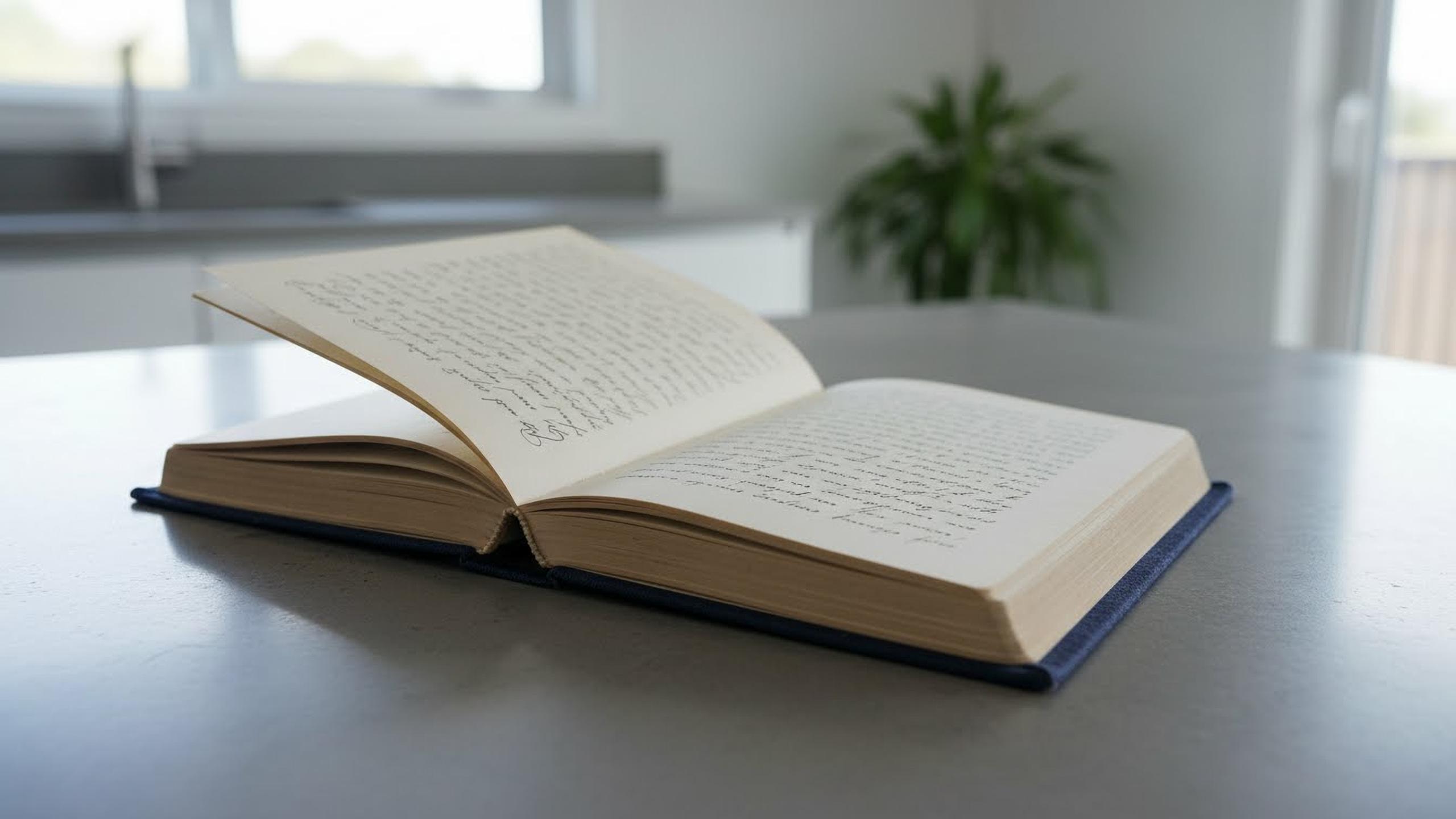
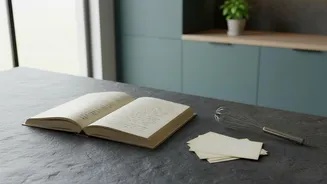
Many of our most treasured family recipes exist on fragile, physical objects. They are handwritten notes on index cards, in the margins of old cookbooks, or on paper that has yellowed with time. These documents are more than just instructions; they are tangible
connections to family history, complete with the familiar script of a grandmother or a food stain from a memorable meal. But these precious artifacts are at risk. Ink fades, paper tears, and handwriting styles from past generations can be difficult for many to read today. The fear of losing these pieces of edible history is a real one, as once a recipe is gone, a piece of family identity can disappear with it.
How AI Learns to Read Cursive
For years, the only way to preserve these recipes was to manually type them out, a tedious process. Now, artificial intelligence offers a powerful shortcut. The technology, known as Optical Character Recognition (OCR), has evolved dramatically. Modern AI, sometimes referred to as Vision AI or Intelligent Character Recognition, can now decipher complex handwriting, including joined-up cursive and messy script on imperfect surfaces. Tools like Google's Vision AI, Microsoft's Seeing AI, and other specialized apps use models trained on millions of handwriting samples to convert a photo of a recipe card into editable, digital text. This technology can handle faded ink, smudged paper, and complex layouts that would stump older OCR software.
From Kitchen Table to the Cloud
This technological leap has empowered a new wave of digital archivists among food bloggers and home cooks. The process is often as simple as taking a clear photo of a recipe with a smartphone. An app then uses AI to analyze the image, extract the text, and often even structure it into ingredients and instructions. While the AI's transcription may need a quick review and a few corrections, it transforms a time-consuming chore into a task that takes just a few minutes. The result is a searchable, shareable digital version that can be stored in an online cookbook or recipe management app, ensuring the family's culinary legacy is safely backed up and accessible.
More Than Just a List of Ingredients
The goal isn't just to replace the original card but to augment it. Many people using these tools make a point of saving the original scanned image alongside the newly created digital text. This approach preserves the best of both worlds: the sentimental value of the original handwriting and the practical utility of a searchable, digital recipe. This process allows families to keep the stories and memories associated with each dish alive. A digital archive can include not just the recipe, but also photos of the person who created it, notes about when it was served, and family anecdotes tied to the food. It transforms a simple recipe into a multimedia keepsake.
How You Can Start Preserving
You don't need to be a tech expert to start digitizing your own family recipes. Many popular apps have built-in OCR features designed for this very purpose. Apps like Adobe Scan, Evernote's AI Transcribe, and specialized recipe keepers like OrganizEat or Recipe Keeper allow you to use your phone's camera to capture and convert handwriting. For the best results, place the recipe card on a flat, well-lit surface to avoid shadows. While AI is powerful, a clear image is the best starting point. By turning these physical heirlooms into digital files, you not only protect them from being lost but also make them easier to share, ensuring they will be cooked and enjoyed for generations to come.