


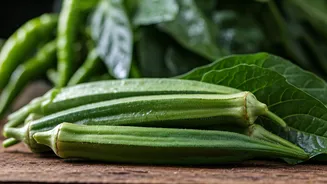


1. Okra (Bhindi)
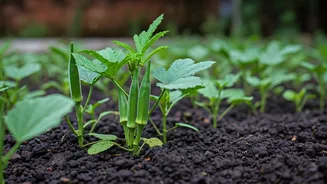
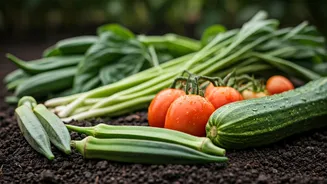
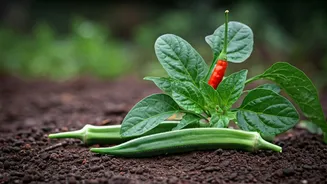
A staple in Indian kitchens, Bhindi is a true monsoon champion. This hardy plant thrives in the warm, humid conditions that define the rainy season. It's a fast grower and relatively low-maintenance, making it perfect for beginner gardeners. The increased
moisture in the soil helps the pods develop quickly, becoming tender and flavourful. Plant the seeds directly into well-draining pots or garden beds about half an inch deep. To avoid root rot, a common monsoon problem, ensure your soil mix includes sand or cocopeat to improve drainage. Keep an eye out for pests like aphids that are attracted to the new growth, but a simple neem oil spray can keep them at bay.
2. Cucumber (Kheera)
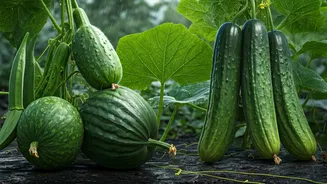
What's more refreshing than a crisp, homegrown cucumber? This vining plant is over 90% water, so it’s no surprise that it flourishes during the rains. The consistent moisture helps the fruit grow plump and juicy without turning bitter. Since cucumbers are climbers, providing a trellis or support structure is key. This not only saves space but also improves air circulation, which is crucial for preventing fungal diseases like powdery mildew in the damp weather. Plant seeds in a sunny spot that gets at least 5-6 hours of light. They grow remarkably fast, and you could be harvesting fresh cucumbers for your salads and raitas in just a couple of months.
3. Bottle Gourd (Lauki)
Lauki is another creeper that goes into overdrive during the monsoon. Its large leaves seem to welcome the downpour, and the plant produces prolifically with all the extra water. Growing Lauki is a rewarding experience, as the gourds can grow quite large. Plant 3-4 seeds together in a small mound or a large container. Like cucumber, it needs a strong support system to climb on. Good drainage is non-negotiable to prevent the roots from water-logging. A simple trick for a better harvest is to hand-pollinate the female flowers (the ones with a tiny gourd at the base) if you notice a lack of bee activity on overcast days.
4. Leafy Greens like Spinach (Palak)
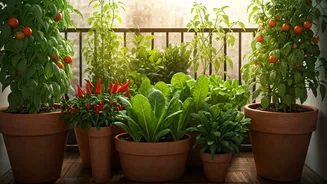
While many leafy greens can struggle with heavy rain, certain varieties of spinach and amaranth (chaulai) perform wonderfully. They love the cooler temperatures and consistent moisture that the monsoon brings. The key is to plant them in raised beds or containers with excellent drainage to prevent the leaves from sitting in water and rotting. Because they grow so quickly, you can enjoy multiple harvests throughout the season. Sow the seeds directly and lightly cover them with soil. Within a few weeks, you'll have tender leaves ready for your dals, sabzis, and smoothies. These greens are a fantastic way to get a quick and nutritious yield from your monsoon garden.
5. Radish (Mooli)
Don't forget about the vegetables that grow underground! Radish is an excellent choice for the monsoon because it matures so quickly—some varieties are ready in as little as 30-40 days. The soft, moist soil of the rainy season makes it easy for the roots to swell and grow without becoming woody. Plant the seeds in loose, well-drained soil, ensuring they have enough depth to develop. Radishes don't like being transplanted, so sow them directly where they are to grow. They are perfect for filling in gaps in your garden, and their peppery flavour adds a wonderful kick to salads and pickles, bringing a bit of zest to a rainy day.
6. Beans (Sem Phali)
Cluster beans, French beans, and long beans are all fantastic performers in the rainy season. These nitrogen-fixing plants actually improve the soil quality while providing you with a bountiful harvest. They are relatively easy to manage and grow vertically, making them ideal for small spaces and balcony gardens. The constant water supply ensures the beans are tender and crisp. Plant the seeds along a trellis or fence line. The main challenge during monsoon is fungal disease, so ensure there is good airflow around the plants by pruning any excess foliage near the base. Harvesting regularly also encourages the plant to produce more pods.