


What Is Retrofit Design?
At its core, retrofitting is the process of adding new technology or features to an existing building. Unlike a purely aesthetic renovation, a retrofit is focused on improving the home's performance. This means making it more energy-efficient, comfortable,
and durable. A retrofit designer takes data from a detailed assessment of the home to create a practical plan for these improvements. The goal is a deeper intervention that upgrades the building's core functions, resulting in a home that is warmer, healthier, and less expensive to run without starting from scratch.
Boosting Performance Behind the Scenes
Many of the most effective retrofitting upgrades are invisible. Improving performance often starts in places you cannot see, making it a perfect way to modernize without altering the home's appearance. Adding insulation to attics, walls, and basements is a prime example. Older homes are frequently under-insulated, and upgrading this can make a significant difference in maintaining stable indoor temperatures year-round. Another key area is air sealing to close small gaps around windows, doors, and foundations that let air escape. Finally, modernizing the home's systems—like upgrading to a high-efficiency HVAC unit or updating old wiring—improves both safety and energy use without changing the historic feel.
Preserving the Home's Soul
The fear of losing a home's character is valid, but a good retrofit strategy prioritizes preservation. The first step is to identify the key features that give your home its identity. This could be original hardwood floors, decorative millwork, a classic fireplace, or unique windows. The guiding principle should be to restore rather than replace whenever possible. Refinishing original floors is often more authentic and can even be less expensive than installing new ones. If elements are too damaged, a skilled craftsperson can often replicate them to blend new and old seamlessly.
Striking the Right Balance
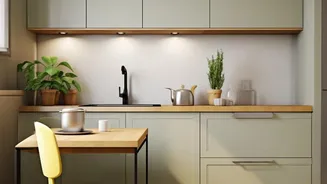
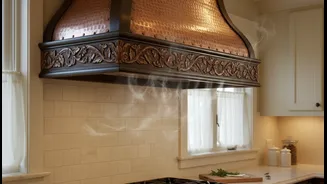
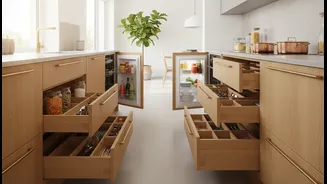
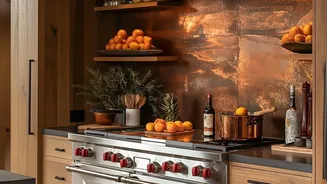
The art of retrofitting lies in harmoniously blending old and new. For instance, instead of tearing out beautiful old windows, consider restoring them and adding high-performance storm windows for better insulation. This approach keeps the character intact while boosting performance. When new materials are necessary, they should be used with restraint. In a kitchen remodel, you might keep the original layout but install energy-efficient appliances and cabinetry that complements the home's era. Similarly, selecting new plumbing fixtures, hardware, and lighting that reference the home's original time period can tie the entire design together, creating a space that feels both updated and authentic.
How to Get Started
If you're considering a retrofit, start by understanding what makes your home special. Document the original features you want to protect. Next, a professional energy assessment can provide a detailed report on where your home is losing energy and which upgrades would be most effective. This assessment provides the technical foundation for a smart retrofit plan. It’s important to think of this as a long-term roadmap. Even if you complete the work in stages, having a whole-house plan ensures that every improvement works together, respecting the past while preparing the home for the future.