





Start with a Spiritual Cleanse
Before the divine guest arrives, the home must be made pure and welcoming. Traditionally, preparations for Ganesh Chaturthi begin with a thorough cleaning of the entire house. This isn't just about tidying up; it's a spiritual act of clearing out old,
stagnant energies to make way for new beginnings and blessings. Families often start this process a week or so in advance, ensuring every corner is spotless. Once the physical cleaning is done, the space where the idol will be placed, often called the mandap or altar, is prepared. This area is sanctified, sometimes by sprinkling holy water (Gangajal), to create a serene and sacred environment for the deity.
Choose the Perfect Idol
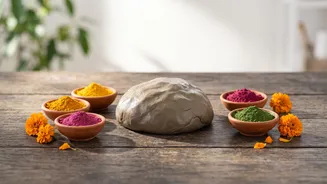
The centerpiece of the festival is, of course, the Ganpati idol. Selecting an idol is a moment of great significance for every family. In recent years, there has been a growing and important shift towards eco-friendly idols. Traditional Plaster of Paris (POP) idols contribute to water pollution during immersion (visarjan). Instead, opt for idols made from natural clay (shadu mitti) or other biodegradable materials that dissolve easily in water. Many families now perform the visarjan at home in a bucket or tub, later using the dissolved clay water for plants, completing a beautiful, natural cycle. When choosing, look for an idol with a calm, seated posture, which is believed to symbolise peace and balance in the home.
Design Your Divine Decor
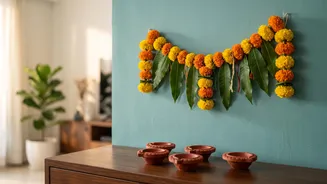
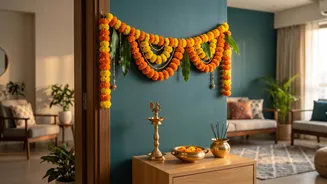
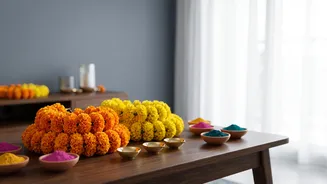
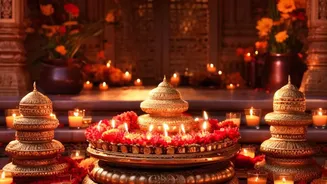
Decorating the home is one of the most joyful parts of the preparation. The 'makhar'—a decorative throne or backdrop for the idol—is the main attraction. Instead of thermocol or plastic, you can create a stunning makhar using sustainable materials. Draping colourful sarees or dupattas can create a rich, textured backdrop. Fresh flowers like marigolds and red hibiscus, which is a favourite of Lord Ganesha, bring life, colour, and fragrance to the setup. You can also use banana leaves, handmade paper flowers, and traditional clay diyas to enhance the festive atmosphere in an eco-conscious way. Involving the whole family in making DIY decorations adds a personal touch and creates lasting memories.
The Essential Puja Shopping List
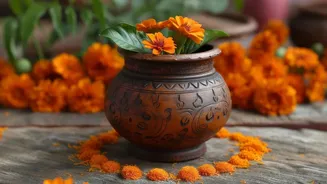
A few days before the festival, it's time to shop for the puja samagri (ritual items). Creating a checklist in advance can prevent last-minute rushes. Key items to buy include a wooden platform (chowki), a red or yellow cloth to cover it, a kalash (copper pot), and fresh mango leaves. For the daily rituals, you'll need durva grass (21 blades are considered auspicious), red flowers like hibiscus, incense sticks (agarbatti), camphor (kapur), sandalwood paste (chandan), turmeric (haldi), and vermillion (kumkum). Unbroken rice (akshat), betel leaves, and nuts are also essential for various offerings. Having these items ready ensures that the daily pujas can be performed smoothly and with full devotion.
Plan the Festive Menu
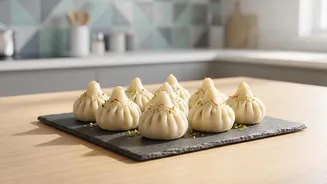
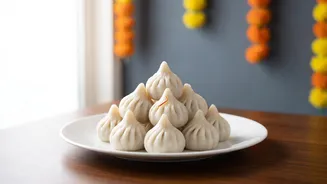
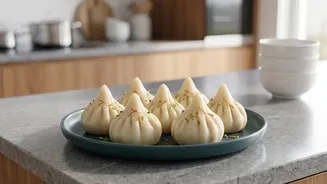
No festival is complete without its traditional delicacies, and for Ganesh Chaturthi, the star of the show is the modak. This sweet dumpling, typically stuffed with a mixture of fresh grated coconut and jaggery and then steamed, is believed to be Lord Ganesha's favourite food. Many households prepare batches of these 'ukadiche modak' as the primary offering (naivedya). Other popular prasad items include Motichoor Laddoos, Puran Poli (a sweet flatbread), and Panchamrit, a sacred mixture of milk, curd, honey, ghee, and sugar. Planning your menu and shopping for ingredients like rice flour, jaggery, and good quality ghee ahead of time will make the festival cooking a joyous and stress-free experience.
Prepare to Welcome Guests
Ganesh Chaturthi is a time for community and connection. Homes are filled not just with prayer and devotion, but also with the laughter of friends and family who come for 'darshan' (to see the idol) and receive prasad. As you prepare your home, also prepare to be a gracious host. The festival fosters a spirit of togetherness, and sharing food and joy is an integral part of the celebration. Plan for simple, easy-to-serve snacks and sweets for visitors. The true essence of the festival lies in these shared moments of faith and fellowship, strengthening community bonds and creating a warm, inclusive atmosphere for all who enter your home.