



Beyond the Button Mushroom
For decades, the Indian culinary landscape was dominated by the white button mushroom, a reliable but unexciting staple. Today, however, a stroll through a premium grocery store or a glance at a modern restaurant menu in cities like Delhi, Mumbai, and Bengaluru
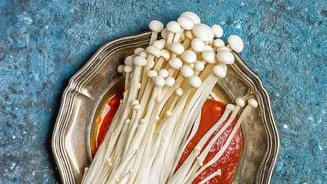
reveals a much wider world. Varieties like shiitake, king oyster, lion's mane, and morels are moving from niche to mainstream. This shift is driven by a growing curiosity among consumers for new flavours and textures. Shiitake offers a rich, smoky taste, while lion's mane is being celebrated for its unique, seafood-like texture. This expanding palette gives both home cooks and professional chefs a whole new set of ingredients to play with, transforming the mushroom from a supporting character into a lead actor.
The Chef's New Culinary Canvas
At the forefront of this trend are innovative chefs who are treating mushrooms as a versatile canvas for culinary art. In high-end kitchens, mushrooms are being prepared with techniques once reserved for meat. You might find king oyster mushrooms being slow-cooked confit style until they are incredibly meaty and tender, or lion's mane seared like scallops to highlight its delicate texture. The applications are diverse, appearing in everything from rich risottos and pastas to fillings for a modern masala dosa. Restaurants are also creating bold dishes like mushroom pepper fry, fiery Chettinad curries, and even mushroom biryani, where the fungi’s ability to absorb spices makes it a surprisingly effective star. This creativity is helping to redefine the mushroom as a gourmet ingredient capable of delivering complex flavours and satisfying textures.
Fuelled by Health and Sustainability
Several factors are fueling this 'shroom boom'. A rising awareness of health and wellness is a major driver, with more consumers seeking out nutritious food options. Mushrooms are low in calories, rich in vitamins and protein, and are seen as an excellent meat substitute, appealing to India's large vegetarian population and a growing number of vegans. The demand for plant-based foods has skyrocketed, and mushrooms fit perfectly into this lifestyle shift. Furthermore, there is a growing interest in local and sustainable food sources. Many of the exotic mushroom varieties are now being cultivated locally in India, often on eco-friendly agricultural waste like straw. This not only ensures a fresher supply for restaurants but also resonates with diners who are increasingly conscious of their food's origins.
From Local Farms to Urban Tables
This culinary trend would not be possible without the corresponding growth in local mushroom cultivation. A new generation of farmers and agricultural entrepreneurs has recognized the market potential for exotic varieties beyond the common button mushroom. Startups and specialized farms, like Shroomery in Haryana, are now cultivating a wide array of gourmet mushrooms year-round using controlled environments. These farms are supplying directly to hotels, restaurants, and catering businesses (the HoReCa sector), which are major consumers. This burgeoning local supply chain makes it easier and more affordable for chefs to experiment with different types, ensuring a consistent and high-quality product that was once difficult to source.