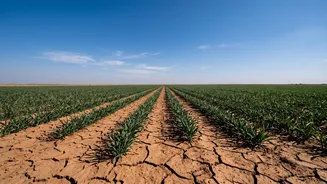




Prioritise On-Farm Water Conservation
With a potentially dry spell ahead, every drop of water counts. The most immediate impact can be made right in the field. Techniques like mulching, which involves covering the soil with organic materials, can significantly reduce water evaporation while
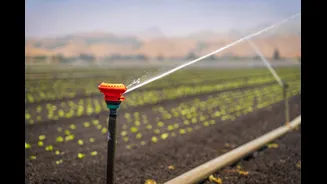
maintaining soil moisture. Farmers should also consider conservation tillage, which minimizes soil disturbance and helps retain water. For those with access, micro-irrigation systems are a powerful tool. Drip irrigation, for example, delivers water directly to the plant's roots, cutting waste from evaporation and runoff by up to 50% compared to traditional flood irrigation. Another vital strategy is rainwater harvesting; creating ponds or check dams to collect rainfall can provide a critical water source during unexpected dry periods. Even simple adjustments, like irrigating during cooler parts of the day, can make a difference.
Adapt Crop and Soil Management
Adjusting field practices is crucial when water is scarce. Farmers should focus on providing protective irrigation during the most critical growth stages of their crops, such as flowering and grain-filling, when moisture stress can cause the most damage. It's also wise to choose crop varieties that are more drought-tolerant. Millets and certain pulses, for instance, are better suited to arid conditions than water-intensive crops like paddy rice. Soil health plays a significant role in water retention. Enhancing soil with organic matter like farmyard manure improves its ability to hold water. During a dry spell, it is critical to avoid over-application of fertilisers, which can damage crops when soil moisture is low. Applying antitranspirants, such as potassium nitrate, can also help reduce water loss from the plants themselves.
Leverage Technology for Precision Farming
Modern technology offers powerful tools to combat water scarcity. Agri-tech startups and platforms now provide solutions that help farmers make data-driven decisions. Soil moisture sensors, for instance, can tell a farmer exactly when and how much to irrigate, preventing both waste and under-watering. Similarly, AI-powered platforms can analyse weather data and field conditions to provide precise irrigation schedules. These technologies not only conserve water but can also reduce the risk of fungal diseases caused by over-watering and boost overall crop yields. Many of these solutions are accessible via mobile apps, bringing advanced analytics directly into the hands of farmers and helping them manage their resources more effectively. This shift towards precision agriculture empowers farmers to use every drop of water for maximum impact.
Secure a Financial Safety Net
Beyond the fields, financial preparedness is key to mitigating risk. The Pradhan Mantri Fasal Bima Yojana (PMFBY) is a critical government scheme designed to provide a safety net against crop failure due to non-preventable risks, including drought. The scheme offers coverage for losses at all stages of the crop cycle, from prevented sowing due to adverse weather to post-harvest losses. Farmers pay a low, subsidised premium, making it an accessible form of insurance. For Kharif crops, the farmer's share of the premium is just 2% of the sum insured. Since participation is voluntary, farmers should assess their risk and ensure they are enrolled. This financial backstop can be the difference between a difficult season and a devastating one, ensuring farmers have the stability to continue their operations.