



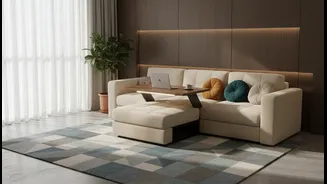


The Allure of a Clutter-Free Life
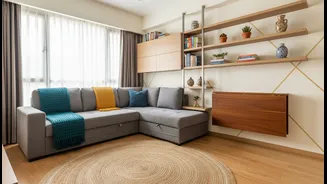
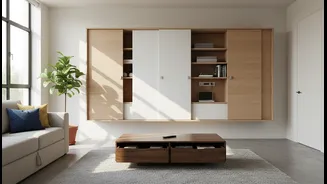
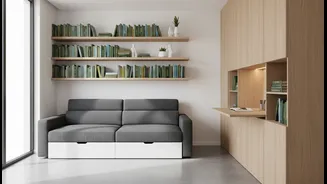
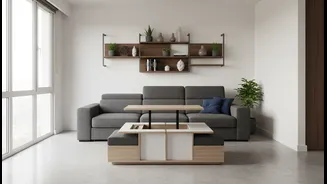
In cities where square footage is a premium, the promise of space-saving furniture is hard to resist. Designs like hydraulic storage beds, sofa-cum-beds, and floor-to-ceiling modular wardrobes are marketed as the key to a minimalist, organised home. They
offer a vision of a life where extra bedding, seasonal clothes, and luggage disappear into hidden compartments, leaving clean lines and open floor space. The appeal is powerful: a home that works twice as hard, looks twice as good, and finally has a proper place for everything from wedding sarees to winter blankets. These pieces are no longer seen as a compromise but as an intelligent upgrade for modern urban living.
When 'Smart' Becomes a Daily Struggle
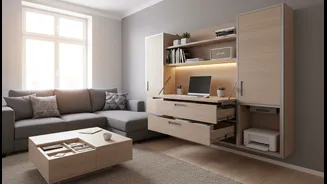
The reality of living with hyper-efficient furniture can be less seamless than the showroom experience. A hydraulic bed that lifts to reveal storage is a marvel—until the mechanism gets stiff or fails, trapping your winter quilts inside. A complex, multi-purpose unit might require you to move three things just to access one. This is where the 'smart' solution becomes a daily issue. The very furniture designed for convenience can become cumbersome, especially when poor quality hardware gives way. Drawers that jam, sliding doors that get stuck, or foldable parts that are too heavy to manage daily defeat the purpose of convenience. Heavy daily usage, a staple in many Indian homes, puts immense pressure on these mechanisms, which often aren't built to withstand it.
The Wardrobe Dilemma: Function vs. Fad
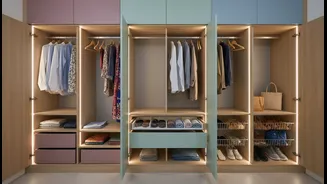
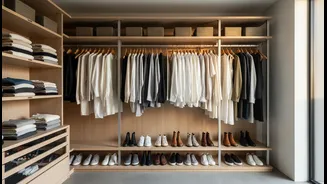
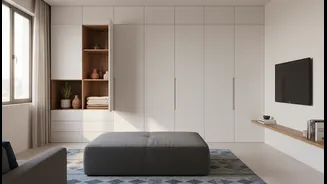
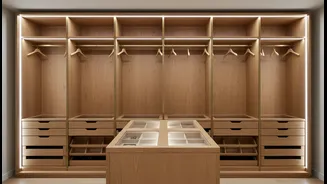
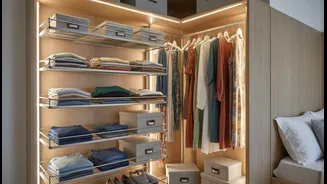
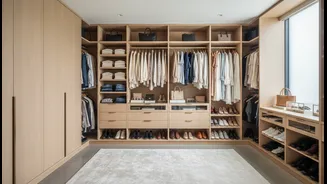
The modern wardrobe is a focal point for this problem. Designs now come with complex sliding systems, specialised accessory drawers, and even integrated lighting. While a floor-to-ceiling wardrobe is one of the most effective ways to maximise vertical space, its functionality hinges on its design and hardware. Homeowners often find that budget-friendly modular options use hardware that can't handle the strain of daily use, leading to sagging doors and misaligned shutters within a few years. The pursuit of a sleek, handle-less look can result in mechanisms that are less intuitive and durable than a simple, well-made handle. The issue is prioritising aesthetics over long-term usability, turning a storage essential into a source of constant, low-grade annoyance.
Choosing Wisdom Over Widgets
So, how do you embrace smart storage without the headaches? The key is to prioritise robust engineering over trendy features. When choosing a piece, focus on the quality of its core mechanism. For a storage bed, test the hydraulic lift multiple times. For a wardrobe, check the smoothness and sturdiness of the drawer channels and hinges. Opt for materials suited to the Indian climate, as humidity can cause cheaper engineered woods to swell and warp. It’s often wiser to invest in a simpler, high-quality piece of furniture than a complex one made from inferior materials. Before buying, ask yourself: Is this easy to use every single day? Will it withstand heavy use? Sometimes, the smartest solution isn't the one with the most moving parts, but the one that is built to last.