




The Built-In Wisdom of the Thali
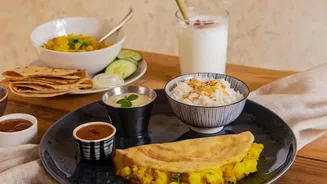
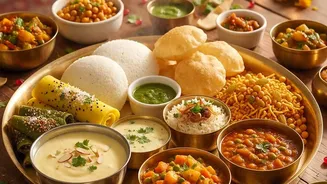
The classic Indian thali is more than just a meal; it's a masterclass in balanced nutrition. Its structure, featuring a variety of dishes in small quantities, is designed to deliver a mix of essential nutrients while naturally encouraging moderation.
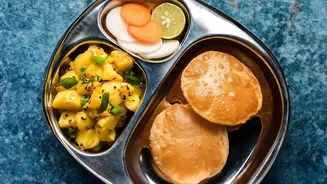
A typical thali provides carbohydrates from roti or rice, protein from dal, vitamins and minerals from vegetable preparations (sabzi), and probiotics from curd. This combination ensures you get a holistic meal that provides sustained energy and promotes overall well-being. Unlike Western meal structures, which often separate components, the thali integrates everything, reflecting a culturally ingrained approach to dietary diversity that modern nutritionists now champion. According to the ICMR-National Institute of Nutrition (NIN), a healthy diet should include foods from multiple groups, a principle the thali naturally fulfils.
The 'My Plate' Method, Indian Style
You don't need a special thali plate to apply this wisdom. You can use the 'plate method' for any meal. The goal is to visually balance your plate. Health experts suggest filling half of your plate with vegetables, which are high in fibre and nutrients. This could be one or two different sabzis or a large salad. One quarter of the plate should be dedicated to a protein source like dal, chana, paneer, fish, or chicken. The final quarter is for your carbohydrate, such as one or two rotis or a small serving of rice. This half-quarter-quarter division ensures you prioritise nutrient-dense vegetables and protein, which keep you feeling full, while managing the quantity of grains.
Using the 'Katori' for Effortless Portions
The humble katori, or small steel bowl, is one of the most effective tools for portion control in an Indian kitchen. Instead of guessing serving sizes, using a standard katori (typically 150ml) provides a consistent measure for liquid and semi-liquid dishes like dal, sabzi, and curd. While calorie counting can be difficult with home-cooked Indian food, where ingredients vary, the katori system creates a reliable visual cue. The trick is consistency. By using the same katori for your main dishes, you automatically regulate the amount you consume without needing a weighing scale. This prevents the mindless over-serving that often happens when dishing out food from a larger cooking vessel.
A Flexible Framework, Not a Rigid Diet
The beauty of this approach is its flexibility. It's not a restrictive diet that bans your favourite foods but a framework you can adapt daily. You can swap basmati rice for millets, use different seasonal vegetables for your sabzi, and rotate through various dals and legumes. This ensures your diet remains interesting and nutritionally diverse. The principle remains the same: control the grain portion, be generous with vegetables, and always include a quality protein source. Even foods often seen as 'unhealthy' like ghee or traditional sweets can be part of a balanced lifestyle when consumed in thoughtful, controlled portions on occasion. The focus shifts from elimination to mindful moderation, making it a far more sustainable habit to maintain long-term.
Beyond the Plate: Mindful Habits Matter
A well-portioned plate is the first step, but a few other habits can enhance its benefits. Research shows that eating vegetables and protein before carbohydrates can help reduce post-meal blood sugar spikes. So, try starting your meal with your sabzi and dal before moving on to the roti or rice. Another simple but powerful trick is to use smaller plates, which can psychologically help you feel satisfied with less food. Plating your food in the kitchen rather than serving from large dishes on the dining table also helps prevent automatic second helpings. Finally, eating slowly gives your brain time to register satiety signals, helping you recognise when you are truly full.