






A Match Made in the Modern Kitchen
Imagine a world where your favourite taco comes stuffed with spiced kathal (jackfruit) instead of meat, or where delicate Japanese-style maki rolls are filled with millets and served with a tangy tamarind glaze. This isn't a far-off fantasy; it's a trend
blossoming in restaurants across India. The concept marries two powerful forces: the long-standing love for 'fusion' or 'progressive' cuisine and the recent, explosive interest in plant-based diets. It’s a natural evolution. As diners become more health-conscious and environmentally aware, they're seeking food that is both exciting and ethical. Chefs, in turn, are rising to the challenge, proving that plant-based cooking is not about limitation, but boundless creativity.
Beyond the Usual Suspects
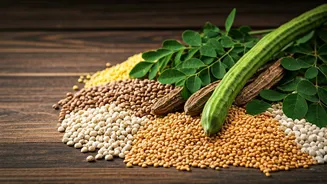
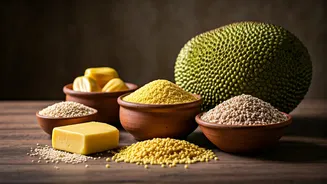
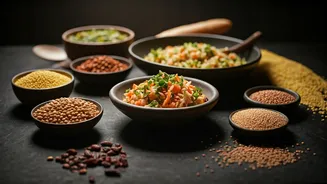
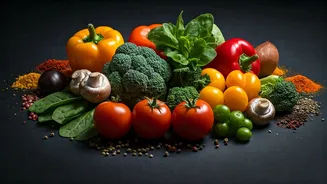
For too long, vegetarian options in many non-Indian restaurants felt like an afterthought. In this new wave, however, plants are the undisputed stars. We're seeing a move away from the predictable paneer and potato to a more diverse and sophisticated pantry of ingredients. Unripe jackfruit, with its remarkable meat-like texture, is being used to create everything from 'pulled pork' sliders to biryani. Humble millets like ragi and jowar are being transformed into pizza bases, burger buns, and risotto. Different varieties of mushrooms—oyster, shiitake, portobello—are being minced for plant-based galouti kebabs or seared like steaks. This focus on whole, natural ingredients sets the trend apart from earlier waves of mock meats, emphasizing flavour and texture derived directly from nature.
Global Flavours with an Indian Soul
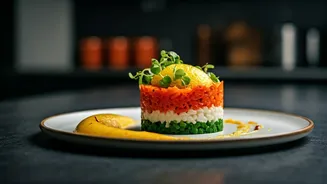
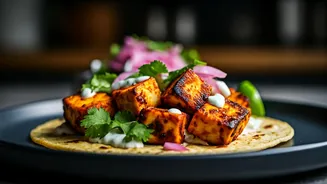
The beauty of this trend lies in its playful, borderless approach. It’s about taking a familiar global format and infusing it with Indian flavours, or vice-versa. Think of it as a culinary conversation between cultures. You might find an Italian-inspired dish like a creamy 'makhani' risotto, where Arborio rice is cooked in a rich, tomato-cashew gravy typically used for butter chicken. Or consider Mexican-Indian hybrids, such as tacos filled with soya keema or quesadillas packed with palak paneer-inspired spinach and tofu. Even East Asian cuisine is getting a desi twist, with dishes like Thai green curry made with seasonal Indian vegetables and coconut milk, or dumplings stuffed with spicy corn and spinach instead of the traditional fillings. It respects the original dish while giving it a fresh, local identity.
The Chef's Creative Playground
For chefs, this movement is a thrilling creative challenge. It pushes them to think outside the box and innovate with ingredients that were previously overlooked. The goal isn't just to replace meat, but to create dishes that are delicious in their own right. This requires a deep understanding of food science—how to coax meaty textures from mushrooms, how to bind a kebab without egg, or how to create a creamy sauce without dairy. Many chefs see it as a way to cater to a modern, well-travelled, and mindful diner who wants a sophisticated experience without compromise. It’s also a nod to sustainability, as plant-based ingredients generally have a lower environmental footprint. The result is a menu that feels contemporary, responsible, and, most importantly, packed with flavour.