

A Pre-Dawn Planet Parade
The cosmic festivities kick off in the second week of August with a grand alignment of six planets. Around August 12, look to the pre-dawn sky to witness a parade featuring Mercury, Mars, Jupiter, Saturn, and the more distant Uranus and Neptune. To catch
this spectacle, you’ll need to be an early riser, setting your alarm for about an hour before sunrise and finding a spot with a clear view of the eastern horizon. While Mars and Saturn will be relatively bright and easy to spot with the naked eye, Jupiter and Mercury will be much lower in the sky and tougher to see against the gathering morning light. Uranus and Neptune are too faint to see without a good pair of binoculars or a telescope. Even if you only spot the brighter planets, seeing them strung across the sky is a memorable experience.
The Year's Best Meteor Shower: The Perseids
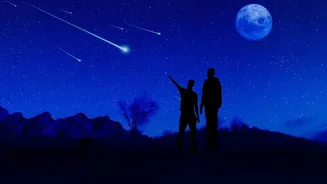
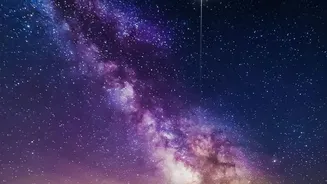
If there is one event you absolutely cannot miss this month, it is the Perseid meteor shower. This annual spectacle, caused by debris from Comet Swift-Tuttle, is famous for its bright, fast-moving meteors. In 2026, the show promises to be truly exceptional. The peak occurs on the night of August 12 and into the early morning hours of August 13. What makes this year so special is that the peak coincides with a new moon on August 12. This means the sky will be completely dark, offering perfect viewing conditions without any moonlight to wash out the fainter meteors. Under a dark, rural sky, you could see anywhere from 50 to 100 meteors per hour. For the best view, find a location far from city lights, lie back, and give your eyes at least 20 minutes to adjust to the darkness. The show is best after midnight and continues until dawn.
A Fleeting Glimpse of Mercury and Jupiter
For those who enjoy a celestial challenge, look to the eastern horizon just before sunrise around August 15. The solar system’s smallest and largest planets, Mercury and Jupiter, will have a close encounter, an event astronomers call a conjunction. They will appear less than a degree apart, close enough to be hidden behind your little finger held at arm's length. However, this will be a very difficult observation. The pair will be extremely low in the sky and only visible for a short window during bright morning twilight. A clear, unobstructed horizon is essential, and binoculars will be your best tool for spotting the two planets in the glow of the approaching sunrise.
The Full Sturgeon Moon
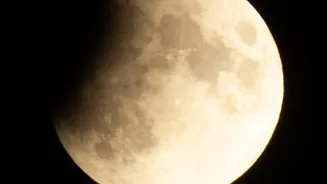
August closes with the arrival of its full moon on the morning of August 28. This full moon is most commonly known as the Sturgeon Moon, a name that comes from the traditional fishing practices of Native American tribes around the Great Lakes, where the giant sturgeon fish were most easily caught during this time of year. It also carries other names tied to the late summer harvest season in the Northern Hemisphere, such as the Corn Moon, Grain Moon, and Ricing Moon. Some cultures also referred to it as the Lightning Moon, a nod to the frequent thunderstorms of late summer. Look for it to rise in the east around sunset on the evening of August 27, appearing full and bright for a couple of nights.
An Evening with the Ringed Giant
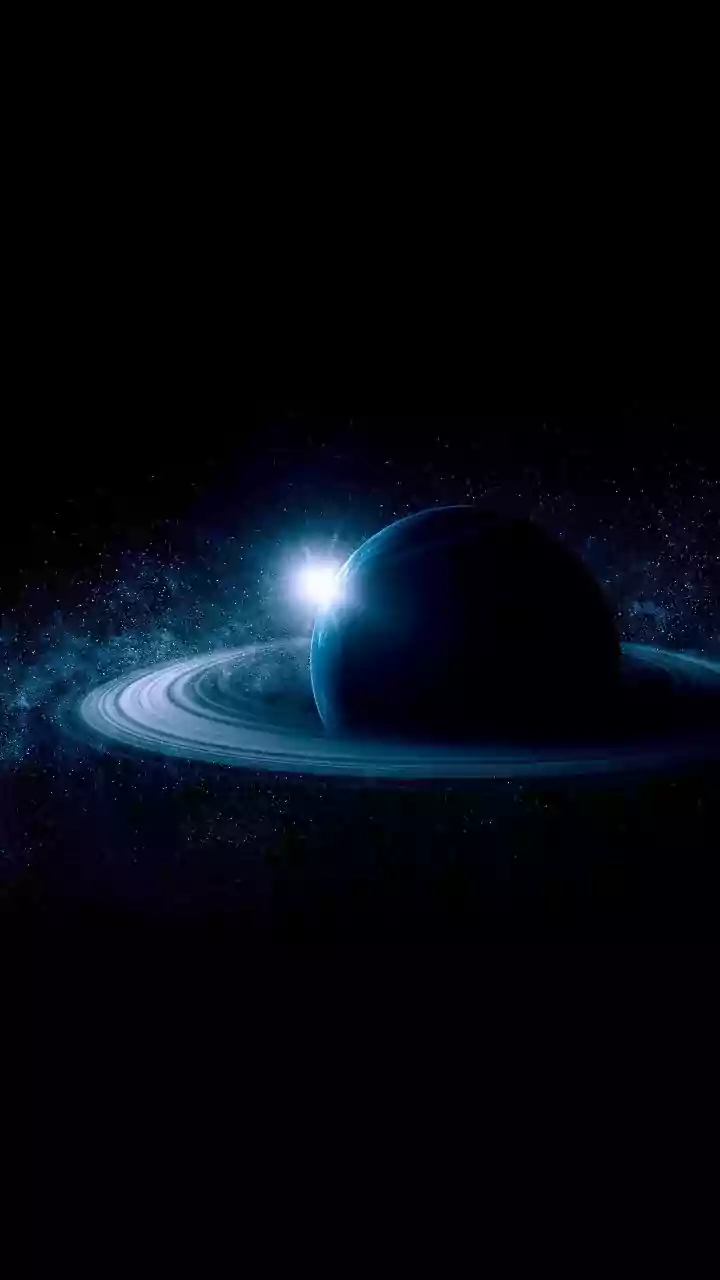
Throughout August, the planet Saturn will become an increasingly prominent feature of the evening sky. Though it won’t reach its peak brightness until its opposition in October, late August offers a fantastic opportunity to observe the ringed planet. It will be visible for most of the night, rising in the east and tracking across the sky. For a special viewing, look for it on the evenings of August 29 and 30, when the waning gibbous moon will pass nearby in the constellation Pisces. While you can see Saturn’s golden glow with the naked eye, even a small telescope will reveal its most famous feature: its magnificent rings.