


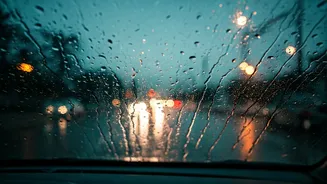


Patience Is Your Ultimate Co-Pilot
The single most important tool you have during monsoon is a calm mind. Rains mean slower traffic, lower visibility, and unexpected delays. [3] Getting agitated won't make the traffic move faster. Accept that journeys will take longer and plan accordingly.
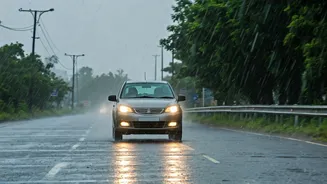
Leave earlier, don't schedule back-to-back meetings, and practice defensive driving. Braking distances on wet roads can increase significantly, so maintain a larger gap than usual from the vehicle in front of you. [4, 5] Remember that other drivers are also stressed. A patient approach reduces your own stress and prevents road rage incidents, making the road safer for everyone.
Your Pre-Monsoon Vehicle Check
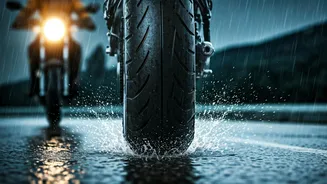
Before the first heavy shower, your car needs a thorough check-up. Your life may depend on it. Start with the essentials for visibility: your wiper blades. If they are cracked, hard, or leave streaks, replace them immediately. [7, 12] Ensure your windshield washer fluid is topped up. [9] Next, inspect your tyres. Good tread depth, ideally above 3mm, is crucial to prevent aquaplaning, where your car effectively skates on a layer of water. [5, 8] Finally, get your brakes, lights, and battery inspected. [12] Brakes can lose effectiveness when wet, and you need your headlights and fog lamps to see and be seen in heavy rain. [3, 5] A weak battery is more likely to fail in damp conditions. [12]
Pack Your Survival 'Pouches'
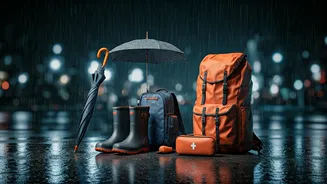
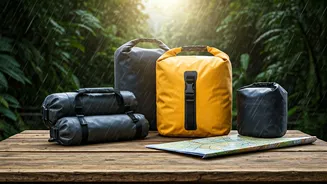
The term 'pouches' is a great way to think about organising your monsoon emergency kit. You should have several ready. The first is a vehicle recovery pouch: a tow rope and jumper cables are non-negotiable. [17, 19] The second is a personal comfort pouch: an umbrella, a towel, a raincoat, and perhaps a change of clothes are essential if you need to step out or get stranded. [10, 20] The third is an emergency sustenance pouch: keep a few bottles of water and some non-perishable snacks. [4, 19] Traffic jams during a downpour can last for hours. Finally, a basic first-aid kit and a powerful, waterproof torch with spare batteries are must-haves for any situation. [17, 18]
Mastering Waterlogged Roads
Encountering a flooded street is almost a certainty. The golden rule is: if you can't gauge the depth, don't risk it. [16, 21] Stagnant water can hide deep potholes or open manholes. [22] If you must proceed and the water isn't deeper than the centre of your wheels, do so in a low gear (first or second) while keeping the engine revs high and constant. [6, 26] This creates a bow wave and helps prevent water from entering the exhaust. [6] Never try to restart your car if it stalls in water; this can lead to catastrophic engine damage called hydrostatic lock. [5] After clearing the water, tap your brakes gently a few times to dry them out and restore their effectiveness. [16, 24]
Always Have a Backup Plan
Monsoon travel is unpredictable. Your primary route might be blocked by a fallen tree or severe waterlogging. [22] Before you leave, check for traffic updates on mapping apps or local news. Have an alternative route in mind. The best 'backup' is often the decision not to travel at all during extreme weather if the journey isn't essential. Also, ensure your phone is fully charged and you have a power bank. [19] Keep phone numbers for roadside assistance and your insurance provider handy. [19] Inform a family member or friend of your route and estimated time of arrival, especially on longer trips. These small backups can make a huge difference in an emergency.