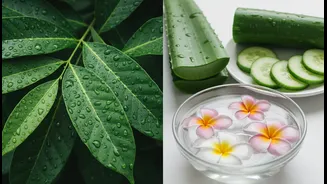









Switch to a Gentle, Gel-Based Cleanser
The first instinct when your face feels greasy is to wash it repeatedly with a harsh cleanser. However, dermatologists advise against this. Over-washing can strip your skin's natural protective barrier, causing it to produce even more oil to compensate.
Instead, switch to a mild, pH-balanced, gel-based cleanser. Wash your face just twice a day to remove excess oil, sweat, and pollutants that accumulate in humid weather without causing irritation. For an even deeper clean at night, consider double cleansing by starting with micellar water to break down the film of sweat, sunscreen, and grime before your main face wash.
Don't Skip Moisturiser—Just Change It
It's a common myth that oily skin doesn't need a moisturiser, especially when the air feels sticky. In reality, skipping this step can dehydrate your skin, triggering it to produce even more sebum. The key is to swap your heavy creams for a lightweight, oil-free, and non-comedogenic formula that won't clog pores. Gel-based or water-based moisturisers are perfect for the Indian monsoon. Look for ingredients like hyaluronic acid, which hydrates the skin by attracting moisture without adding any greasiness, leaving it feeling fresh and balanced.
Incorporate Smart, Oil-Controlling Ingredients
A few key ingredients can be game-changers for oily skin during the monsoon. Salicylic acid, a beta-hydroxy acid (BHA), is essential because it's oil-soluble, meaning it can penetrate deep into pores to dissolve clogs and control excess sebum. Niacinamide is another powerhouse ingredient that helps regulate oil production, reduces inflammation, and minimises the appearance of pores. Incorporating a serum with niacinamide or a cleanser with a low concentration of salicylic acid can make a significant difference in keeping your skin clear and less greasy.
Exfoliate Gently and Strategically
With increased sweat and oil, dead skin cells can build up quickly, leading to clogged pores and breakouts. Regular exfoliation is crucial, but avoid harsh physical scrubs that can cause micro-tears and inflammation. Opt for gentle chemical exfoliants containing AHAs (like glycolic acid) or BHAs (like salicylic acid) once or twice a week. This helps to remove dead skin cells and keep pores clear without irritating the skin, promoting a smoother and brighter complexion. A weekly clay mask, using ingredients like kaolin or multani mitti, can also work wonders to absorb excess oil and detoxify the skin.
Never Forget Sunscreen, Even on Cloudy Days
It's a common mistake to skip sunscreen during the monsoon, believing the cloud cover offers enough protection. However, up to 80% of the sun's harmful UV rays can penetrate clouds, which can lead to pigmentation and worsen post-acne marks. For oily skin, the texture of your sunscreen is critical. Choose a lightweight, gel-based, or matte-finish sunscreen with at least SPF 30. These modern formulas are designed for humid conditions, providing broad-spectrum protection without feeling heavy, greasy, or causing breakouts.
Pay Attention to Your Diet and Habits
What you put inside your body can reflect on your skin. Try to limit your intake of excessively oily, greasy, and fried foods, which can sometimes exacerbate oiliness. Staying hydrated by drinking plenty of water throughout the day helps maintain your skin's balance and flush out toxins. Small habits also matter. In a humid environment where bacteria thrive, be sure to change your pillowcases regularly and avoid touching your face with your hands to prevent transferring dirt and oil.