





The All-or-Nothing Trap
Many of us approach new habits with an 'all-or-nothing' mindset, also known as black-and-white thinking. You're either sticking to your new diet perfectly, or you've failed completely. You either complete your full hour-long workout, or you might as well
not have bothered. This cognitive distortion is a primary reason why well-intentioned routines crumble. It sets an impossibly high standard, where any deviation from the plan is seen not as a minor blip but as a total failure. This mindset is rooted in a fear of failure and can lead to a destructive cycle: you set a rigid goal, life inevitably gets in the way, you miss a step, and then, feeling defeated, you abandon the entire effort. This isn't a reflection of a lack of willpower; it’s the predictable outcome of an unsustainable strategy.
Embrace Consistency Over Intensity
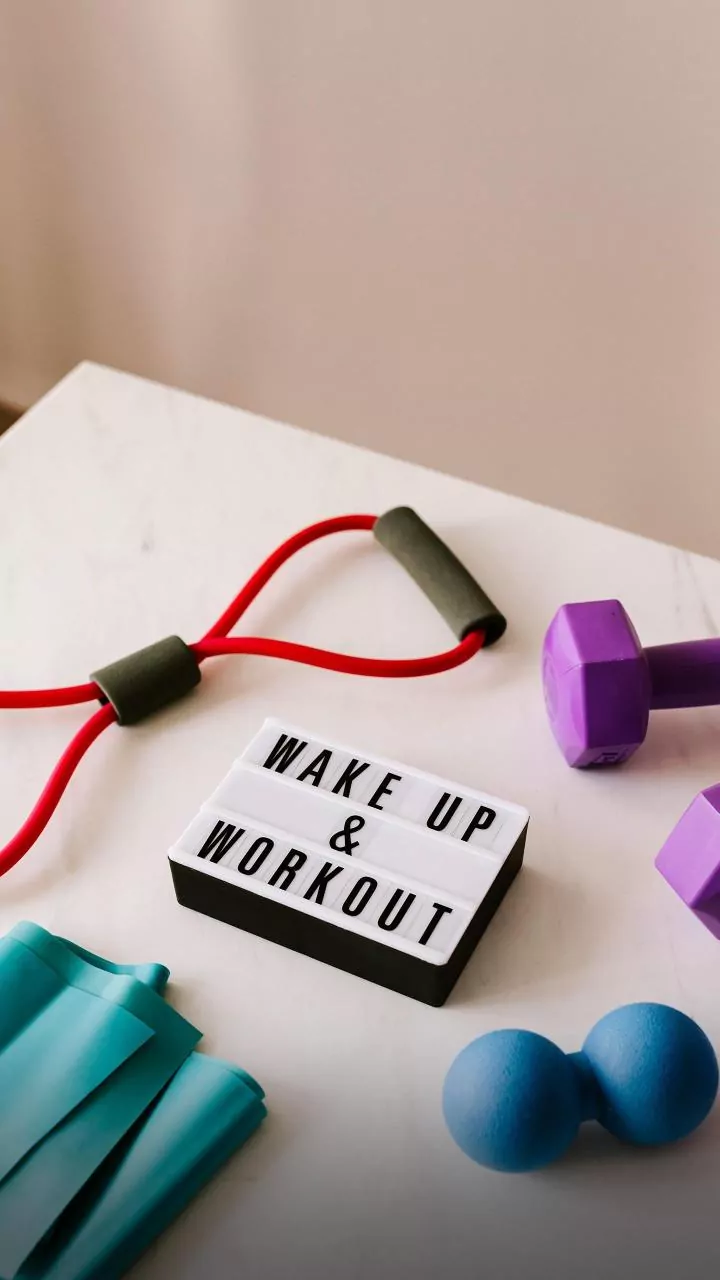
The secret to long-term success lies not in flawless, intense efforts but in consistent, manageable actions. Think of it as choosing a steady jog over an occasional, exhausting sprint. Building a habit is about creating automaticity, and that comes from repetition, not from the intensity of any single action. Research in behavioural science shows that small, repeated actions are far more powerful for creating lasting change. Instead of aiming for an hour at the gym seven days a week, a more sustainable approach is to aim for 20 minutes of movement most days. This focus on consistency leaves room for the inevitable ups and downs of life, preventing feelings of frustration and failure when your plans are disrupted. The goal is to build a habit that can survive a busy week, not one that requires a perfect one.
Design a Flexible, 'Life-Proof' Plan
A sustainable routine is, by its very nature, a flexible one. Rigid plans are brittle; they break under pressure. Instead of a strict schedule, consider building a routine with 'anchor points' — a few key activities that give your day a rhythm, while everything else can be more fluid. Another effective strategy is to plan for the 'good enough' day, not just the 'perfect' day. For your fitness goal, what does a 15-minute version of your workout look like? For your healthy eating goal, what is a simple, go-to meal for a low-energy evening? Having a backup plan for days when you're tired or busy reduces the friction that often leads to giving up entirely. This approach gives you structure without the stress, allowing you to adapt to your changing energy levels and circumstances.
The Power of Self-Compassion
Perhaps the most overlooked tool for achieving goals is self-compassion. Many people fear that being kind to themselves is a form of laziness or letting themselves off the hook. However, research shows the opposite is true. Practicing self-compassion actually increases motivation and resilience. When you have an off day, treating yourself with the same kindness you'd offer a friend helps you get back on track faster. Self-criticism, on the other hand, activates our threat-response system, which can lead to feeling stuck or wanting to avoid the task altogether. When you inevitably miss a day, acknowledge it without judgment, remind yourself that setbacks are a normal part of being human, and simply aim to return to your routine the next day. This approach transforms a 'failure' into a learning opportunity.
Start Small and Celebrate Progress
When getting back on track after a disruption, resist the urge to overcompensate. Don't try to make up for a missed workout by doing a session twice as long; that just makes the task more daunting. Instead, start small—smaller than you think you need to. If you've missed a week of exercise, your goal for today could be just to put on your workout clothes or stretch for five minutes. These tiny actions build momentum and create a sense of accomplishment. It's also crucial to celebrate your progress along the way. Acknowledge the effort you're putting in, even if the results aren't immediately obvious. By celebrating the small wins—like sticking to your routine for three days in a row or choosing the healthier option at lunch—you reinforce the positive behaviour and build the confidence needed to keep going.