







What's in Rice Water Anyway?
Before you dismiss it as just cloudy water, let's break down what you're really giving your plants. The water left after rinsing or boiling rice is packed with beneficial compounds. The most significant is starch, which provides carbohydrates that encourage
the growth of healthy bacteria and mycorrhizal fungi in the soil. These microorganisms help the plant's roots absorb more nutrients. Beyond starch, rice water contains small but useful amounts of nitrogen, phosphorus, and potassium (NPK)—the three primary macronutrients found in most commercial fertilizers. It also has trace minerals like calcium, magnesium, and zinc, all of which contribute to a plant's overall health, stronger stems, and greener leaves.
Why Hibiscus Plants Respond So Well
Hibiscus plants are famously 'heavy feeders,' meaning they require a consistent supply of nutrients to produce their large, spectacular flowers. Their demand for phosphorus and potassium, in particular, is high, as these elements directly support bud formation and blooming. While rice water isn't a replacement for a balanced fertilizer, it acts as an excellent, gentle supplement. The consistent, low-dose supply of NPK helps fuel the plant without the risk of 'fertilizer burn' that can come from harsh chemical products. The starch also improves the soil structure, allowing the roots to breathe and absorb nutrients more efficiently, creating the perfect environment for a happy, flowering hibiscus.
How to Prepare Your Rice Water
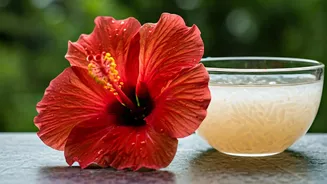
Making this garden-friendly tonic couldn't be simpler. You have two main options: plain or fermented. Plain Rice Water: This is the quickest method. When you rinse uncooked rice before cooking, simply collect that first or second rinse of cloudy water in a clean jar or bucket. That's it. It’s ready to use immediately. Fermented Rice Water: This version is more potent. To make it, collect your plain rice water and let it sit in a loosely covered jar at room temperature for 2-5 days. It will develop a slightly sour smell, which is a sign of fermentation. This process breaks down the starches and increases the bioavailability of the nutrients, making them even easier for the plant to absorb. To use, dilute the fermented liquid with plain water at a 1:1 ratio to avoid it being too acidic for the soil.
Application: Best Practices for Your Hibiscus
How and when you apply the rice water is just as important as how you make it. Use it as you would regular water, pouring it directly onto the soil at the base of the hibiscus plant until the soil is evenly moist. Avoid splashing the leaves and flowers, as the starchy residue can sometimes attract pests or promote fungal growth if left sitting on the foliage. For frequency, a good rule of thumb is to use rice water in place of a regular watering session once every one to two weeks. Using it too often can lead to overly starchy soil, which might hinder water drainage or attract gnats. Moderation is key; think of it as a special treat rather than a daily drink for your plant.
Important Things to Avoid
To ensure you're helping, not harming, your hibiscus, keep a few crucial points in mind. First and foremost, never use water from rice that has been cooked with salt, oil, or any other seasonings. Salt is toxic to most plants and can quickly damage the roots and kill your hibiscus. Stick to water from rinsing plain, uncooked rice. Secondly, be mindful of overwatering. If your soil is already damp, wait until it dries out slightly before applying rice water. Constant sogginess can lead to root rot, a far greater problem than a lack of nutrients. Finally, if you notice any signs of mould on the soil surface or an increase in pests like fungus gnats, reduce the frequency of your rice water applications.
Beyond Rice Water: A Complete Care Routine
While rice water is a fantastic natural supplement, it's not a magic bullet. For truly abundant hibiscus blooms, it must be part of a complete care routine. Ensure your plant is receiving at least six hours of direct sunlight per day. Plant it in well-draining soil and a pot with adequate drainage holes. Keep an eye out for common hibiscus pests like aphids and mealybugs, and treat them promptly. During the growing season, continue to use a balanced, slow-release fertilizer formulated for flowering plants, and consider the rice water an added bonus that supports overall soil health and gives your hibiscus that extra edge to produce a stunning display of flowers.