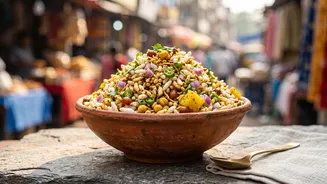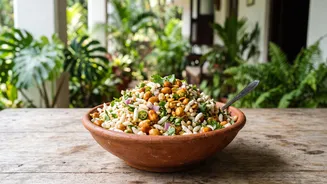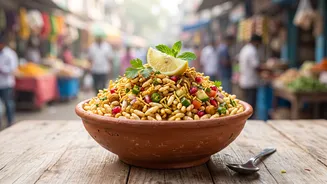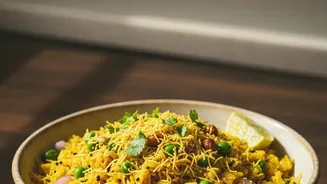



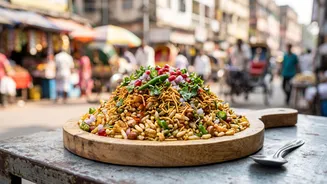
A whirlwind of crunch, spice, and tang, Jhalmuri is the quintessential Bengali street snack that captures the spirit of Kolkata in every bite. This guide unlocks the secret to recreating this magic at home, starting with the heart of it all.
The Soul of the Snack: The Spice Mix
The magic
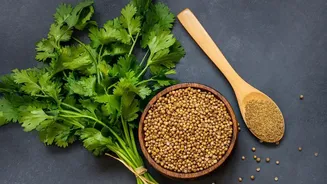
of authentic Jhalmuri lies not just in the puffed rice but in its signature spice blend, often called 'bhaja masla' (roasted spice mix). While many pre-made versions exist, making your own elevates the flavour to another level. A great Jhalmuri masala is dry, aromatic, and complex. To create a foundational mix, dry roast whole spices like cumin seeds, coriander seeds, fennel seeds, and a few dried red chillies in a pan over low heat until they become fragrant and slightly darker. Be careful not to burn them. Once cooled completely, grind them into a fine powder. Some recipes also include black salt (kala namak), amchur (dry mango powder), and a pinch of garam masala for extra depth and tang. This homemade powder is the cornerstone of flavour that separates good Jhalmuri from great Jhalmuri.
Building the Perfect Base
With the spice mix ready, the next step is sourcing the right core components. The star is 'muri', or puffed rice. For the best texture, look for puffed rice that is light, crisp, and not stale. A quick, gentle dry roast in a hot pan for a minute can revive any slight softness and ensure maximum crunch. The second key element is a quality 'chanachur' or Bombay mix. This adds savoury depth, textural contrast, and its own layer of spice. Choose a brand you enjoy, as its flavour profile will significantly influence the final product. Finally, the binding agent and flavour-enhancer: mustard oil. A drizzle of pungent, high-quality raw mustard oil is non-negotiable for that authentic Bengali kick. It adds a sharp, nasal heat that is characteristic of the dish.
Freshness is Key: The Vegetable Ensemble
Jhalmuri is a celebration of textures, and fresh ingredients are crucial for providing moisture and a crisp counterpoint to the dry elements. The classic additions are finely chopped red onion, juicy tomatoes (with seeds removed to prevent sogginess), and fresh coriander leaves. Green chillies, chopped very fine, provide immediate heat, so adjust the quantity to your preference. Another popular and highly recommended addition is boiled potato, diced into small cubes. This adds a soft, starchy element that absorbs the flavours beautifully. Some vendors also add slivers of cucumber for extra freshness or grated coconut for a hint of sweetness and richness. The key is to chop everything finely and uniformly so that you get a little bit of everything in each spoonful.
The Art of Assembly
Assembling Jhalmuri is a race against time; it must be mixed and served immediately to preserve its signature crunch. The traditional method involves a large metal can or a deep bowl. Start by adding the puffed rice, chanachur, and your prepared spice mix. Give this a quick toss to distribute the dry ingredients. Next, add all your chopped fresh ingredients: the onion, tomato, potato, green chillies, and coriander. Now, drizzle in the mustard oil and a splash of juice from a fresh lime or tamarind water for that essential tangy note. The final step is the most important: mix vigorously. Street vendors often use a long spoon or simply close the container and shake it hard for about 15–20 seconds. This energetic mixing emulsifies the oil and juices, coating every single grain of puffed rice with flavour.
Practical Ideas for Creative Variations
Once you master the classic, Jhalmuri becomes a canvas for creativity. For a protein boost, add a handful of sprouted moong beans or black chickpeas (kala chana). A chopped, hardboiled egg adds a creamy richness that pairs wonderfully with the spices. For a different textural experience, try adding roasted peanuts or 'sev' (crispy gram flour noodles) right at the end for extra crunch. Another fantastic variation involves pickles; a tiny spoonful of tangy mango or lime pickle (without too much oil) can introduce a whole new dimension of flavour. Some even add a few drops of coconut oil along with the mustard oil for a more coastal flavour profile. The goal is to experiment while respecting the core balance of crunch, spice, and tang.