



An Ancient Solution for Modern Gardeners
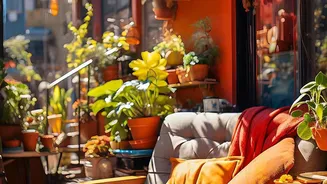
The challenge is familiar to any urban gardener: a beautiful balcony, bathed in sunshine, that quickly turns into a death trap for potted plants. The intense heat and drying winds, especially on elevated balconies, can parch soil in mere hours. For those
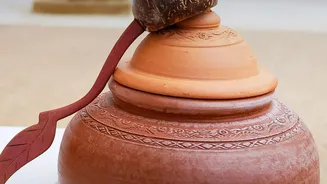
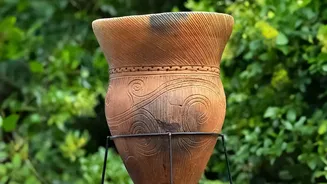
without the time for multiple daily waterings, this often means withered leaves and broken horticultural dreams. Enter the olla (pronounced 'oy-ah'), a deceptively simple piece of terracotta that might just be the perfect irrigation tool for the job. This ancient technology, used for thousands of years in arid climates, is a buried, unglazed clay pot that, when filled with water, provides a steady, self-regulating source of hydration directly to plant roots.
The Science of Seepage
The magic of an olla lies in the natural porosity of unglazed terracotta. When an olla is buried in soil and filled with water, a process called soil moisture tension comes into play. The clay pot's walls are permeable, allowing water to seep out slowly. However, this isn't a constant, uncontrolled leak. Instead, the water is drawn out only when the surrounding soil begins to dry. Plant roots, sensing the nearby moisture source, will naturally grow towards the olla, eventually creating a dense network directly around the pot. This allows the plant to draw exactly the amount of water it needs, precisely when it needs it, preventing the stressful wet-dry cycles that can damage plants.
Why Ollas Excel on Balconies
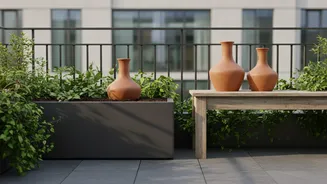
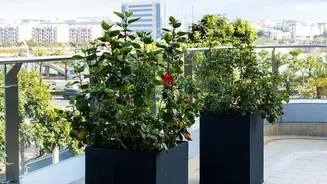
Balcony and rooftop container gardens are particularly harsh microclimates. They experience more wind, which accelerates moisture loss from leaves, and the containers themselves heat up, baking the soil. Olla irrigation tackles these issues head-on. By delivering water below the surface, it almost entirely eliminates loss from evaporation and runoff, which can save up to 70% of water compared to surface watering. This sub-surface delivery also keeps the top layer of soil drier, which helps to suppress the germination of weed seeds. Furthermore, keeping foliage dry helps prevent the spread of fungal diseases, a common problem with overhead watering. For the balcony gardener, this means healthier plants, less water wasted, and fewer hours spent holding a watering can.
Choosing and Using Your Olla
Ollas come in various sizes, and it's important to match the pot to your container. A small olla is perfect for a 5-gallon pot, while larger troughs or half-barrels can accommodate bigger versions. To install one, simply bury the olla in your container, leaving only the neck exposed above the soil line. Plant your chosen seedlings around it, ensuring good contact between the soil and the olla's surface. Fill the olla with water and place a lid or a flat stone over the opening to prevent evaporation and stop mosquitoes from breeding. You'll only need to refill it every few days to a week, depending on the weather and the thirst of your plants.
The Best Plants for Olla Irrigation
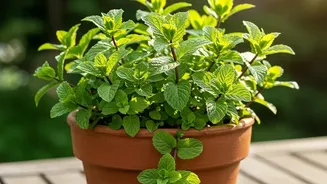
While most plants benefit from consistent moisture, some are particularly well-suited to olla irrigation. Thirsty, fibrous-rooted plants are ideal. Vegetables like tomatoes, peppers, squash, and cucumbers thrive, as the steady water supply helps prevent issues like blossom end rot and bitter-tasting fruit. Culinary herbs, especially finicky ones like basil that dislike both wilting and waterlogged roots, also do exceptionally well. Leafy greens, beans, and even young fruit trees in large containers can benefit. The key is that these plants have root systems that will actively seek out and wrap around the steady moisture source the olla provides.