




Choose Foods With a Long Holding Time
The first rule of travel food is durability. You need meals that can withstand hours without refrigeration and still taste great. This is where dry and semi-dry Indian dishes excel. Think of classics like thepla, stuffed parathas, and poori with a dry potato
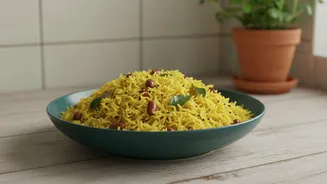
sabzi. These foods have a low moisture content, and the oil used in their preparation acts as a natural preservative, extending their shelf life. Lemon rice or tamarind rice are also excellent choices, as the acidity helps to keep them fresh for longer. Similarly, idlis, especially when smeared with podi (dry chutney powder), are a fantastic option that travels well and remains soft. Avoid dishes with heavy gravies, dairy, or lots of chopped onion, as they tend to spoil quickly, especially in warmer conditions.
Prioritise Low-Mess, Easy-to-Eat Portions
Eating in a moving vehicle, be it a train, car, or bus, requires military precision to avoid spills and stains. This is why low-mess portions are non-negotiable. Instead of loose sabzis, consider making a wrap or a roll. A chapati roll with a dry vegetable filling is far easier to handle than juggling a container and a spoon. Sandwiches are another classic for a reason; just be sure to place a lettuce leaf or a slice of cheese as a barrier between the bread and wet fillings to prevent sogginess. Finger foods are your best friend on a journey. Think bite-sized items like mini idlis, roasted makhana, chakli, or baked vegetable cutlets. These require minimal to no utensils and reduce the chances of creating a mess for yourself and fellow travellers.
Master the Art of Smart Packing
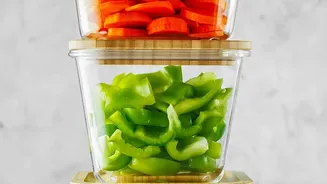
How you pack is just as important as what you pack. The right container can make all the difference. Use airtight, leak-proof containers for any semi-dry items to prevent spills and keep food fresh. For dry items like pooris or chapatis, wrapping them in aluminium foil or a clean cloth helps retain their texture. Pack different components of a meal separately. For instance, if you’re taking chutney or pickle, pack it in a small, secure container rather than pre-applying it, which can lead to sogginess. It's also a good idea to pack meals in individual portions, so you only need to open one container at a time, keeping the rest sealed and fresh.
Don't Forget Nutritious Snacks and Hydration
Beyond the main meals, having a good supply of snacks is crucial for keeping energy levels up and hunger pangs at bay. Steer clear of greasy chips and opt for healthier, non-perishable options. Roasted chana, nuts like almonds and walnuts, dry fruits, and homemade granola bars are excellent choices that provide sustained energy. Whole fruits such as apples, bananas, and oranges are easy to carry and require no preparation. Staying hydrated is equally important. Carry a reusable water bottle that you can refill. A small flask of hot chai or coffee can also be a comforting treat, especially on an early morning or overnight journey.
Food Safety Is Paramount
While enjoying home-cooked food on the go is a pleasure, food safety should never be an afterthought. A general rule is to consume perishable items first. If you've packed something with dairy or a dish that's more prone to spoiling, eat it within the first few hours of your journey. In hot weather, the window for food safety shortens considerably; food left out for more than an hour in temperatures above 32°C can become risky to eat. Always carry hand sanitizer or wet wipes to clean your hands before eating. By planning your menu with holding time and low-mess portions in mind, you ensure your travel food is not only delicious but also safe and convenient.