


Anchor Your Layout to the Window
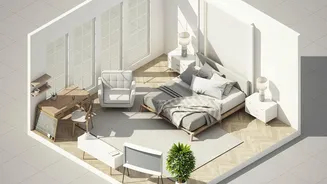
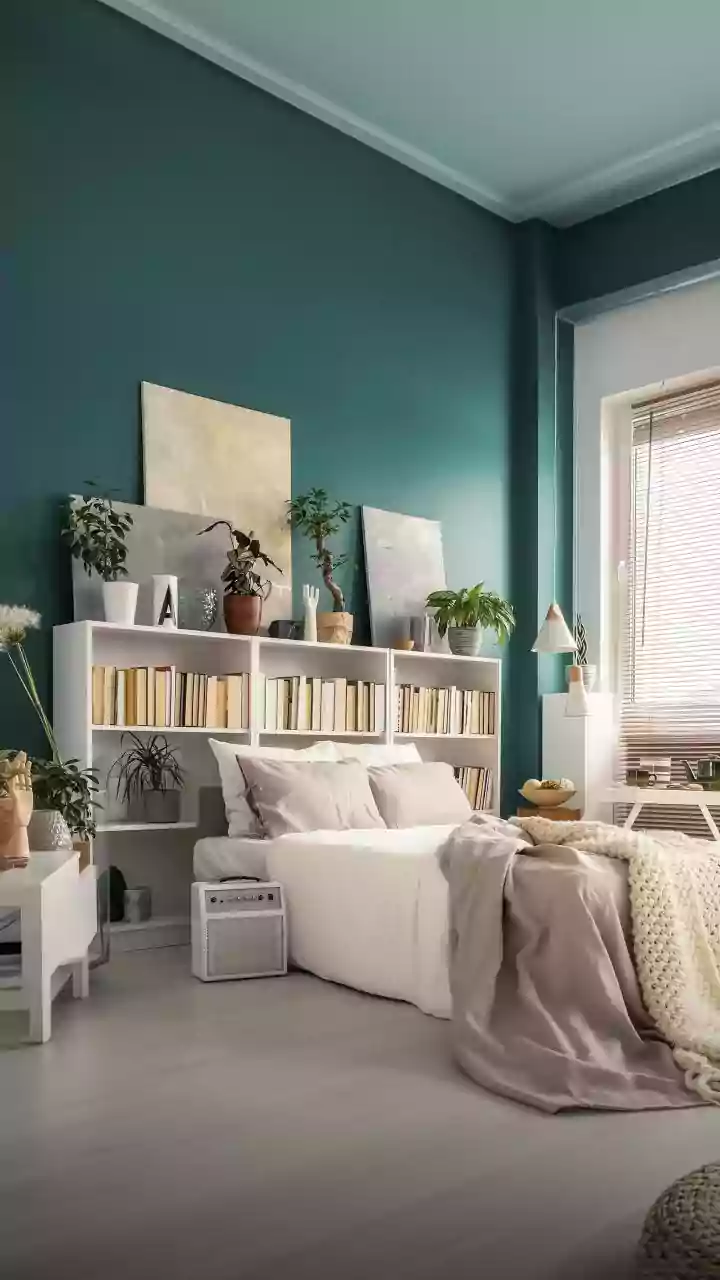
The most crucial decision in arranging your small bedroom is how you relate it to its primary source of light: the window. Instead of blocking it, make it the focal point. The most common and effective layout is to place your bed on the wall opposite
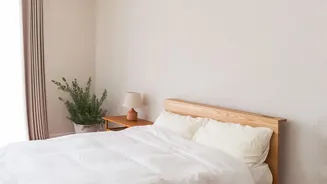
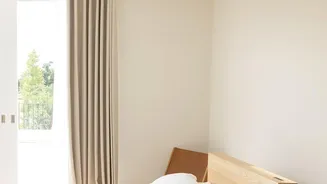
the doorway, which often provides a sense of balance. However, pay close attention to the light. If possible, avoid placing the headboard directly against the window, which can block light and feel awkward. Instead, positioning the bed on an adjacent wall can often work better, allowing light to flood across the room unimpeded. The goal is to create clear pathways for both you and the sunlight. Simple, lightweight window treatments that hang high and wide can also trick the eye into seeing a larger window and taller ceilings.
Embrace Low-Profile and Leggy Furniture
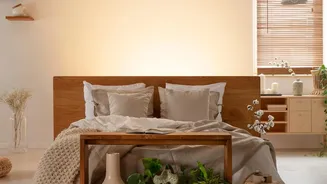
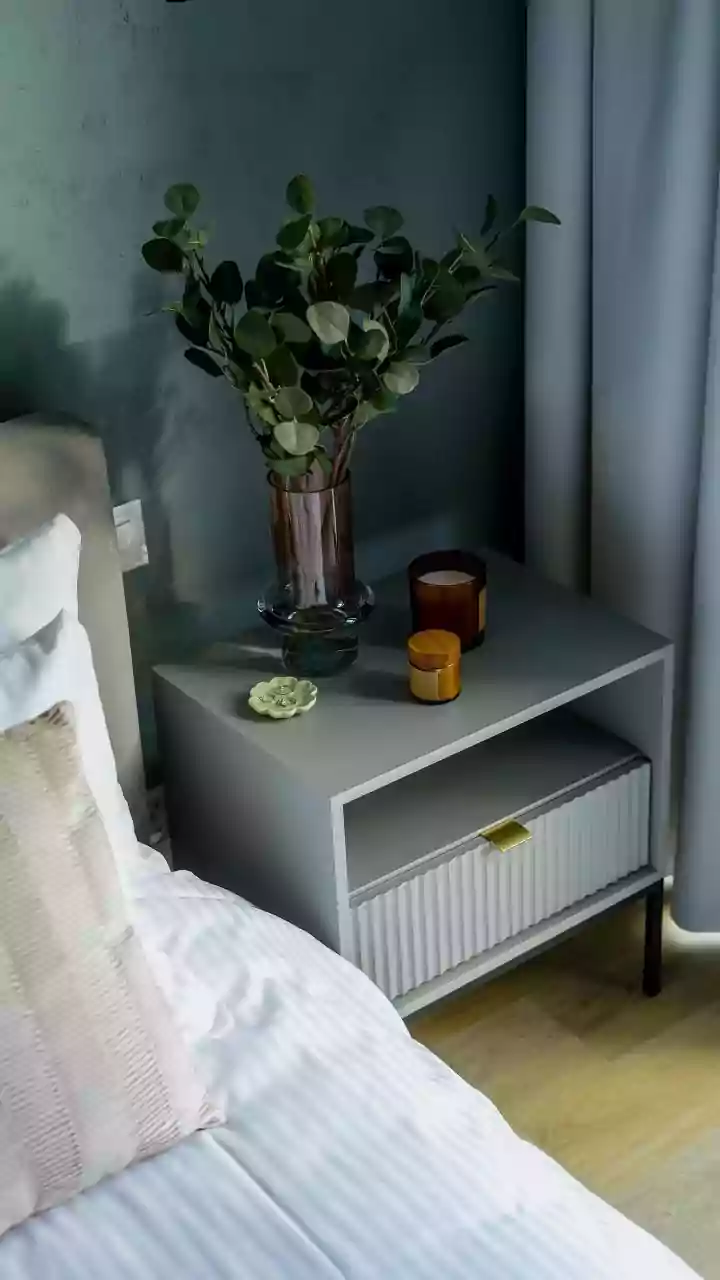
In a small space, visual weight is just as important as physical footprint. Bulky, heavy furniture that sits directly on the floor can stop light in its tracks and make a room feel grounded in a heavy way. Opt for low-profile pieces, like a shorter bed frame or nightstands. This keeps the main mass of the furniture below eye level, creating a more open horizon in the room. Furthermore, choose furniture with raised legs. A dresser, chair, or bedside table on slim legs allows light and air to flow underneath, showing more of the floor and creating an illusion of greater space. This 'visual lightness' prevents the room from feeling cluttered and boxed in.
The Strategic Power of Mirrors
Mirrors are the single most effective tool for amplifying light in a small room. Their power lies in their placement. To maximize natural light, position a large mirror directly opposite your main window. This will capture the incoming sunlight and bounce it back into the room, effectively doubling your light source and brightening dark corners. A full-length leaning mirror is particularly effective, as it not only reflects light but also draws the eye upward, creating an illusion of height. If you don't have space for a large mirror, a gallery wall of smaller mirrors can also work to scatter light in interesting ways around the room. The key is to be intentional and ensure the mirror is reflecting the light and view, not just a cluttered corner.
Choose a Light and Reflective Palette
Dark colours absorb light, while light colours reflect it. This is a fundamental principle of design that has a huge impact in small spaces. Painting your walls a soft white, cream, or a pale neutral tone is one of the easiest ways to make the room feel bigger and brighter. These shades act as a canvas, bouncing natural light around the space. You can extend this principle to your furniture. Light wood tones, white finishes, and neutral upholstery will feel less heavy than dark, bulky pieces. To add another layer of brightness, incorporate materials with a subtle sheen. Accents like metallic lamp bases, glossy drawer pulls, or a side table with a glass top can help catch and reflect light, adding dimension and preventing the space from feeling flat.
Rethink Storage to Clear the Path for Light
Clutter is the enemy of light. A floor covered in stuff will create shadows and make a room feel chaotic and small. To keep your bedroom feeling open, prioritize smart storage that keeps items off the floor. Think vertically by using tall, narrow bookshelves or shelving units that draw the eye upward without consuming precious floor space. Multi-functional furniture is also a small bedroom's best friend. Consider a bed with built-in storage drawers underneath, an ottoman that doubles as a storage chest, or a nightstand with drawers instead of just a tabletop. By ensuring everything has a place, you maintain clear, open floors, which allows light to travel uninterrupted from the window across the entire room.