





Start With Serving Size
Before you even look at the mineral content, check the 'serving size' at the top of the nutrition facts label. All the values listed below, including the percentages for minerals, apply to a single serving. If the serving size is half a packet and you eat
the whole thing, you need to double all the nutrient values to accurately track your intake. This is the most common mistake people make and the first step to accurately understanding what you're consuming.
Demystifying the % Daily Value
The key to decoding mineral content lies in the Percent Daily Value (%DV). This tells you how much a nutrient in one serving of the food contributes to a total daily diet. The percentages are based on a 2,000-calorie diet, which is a general guideline. A simple rule of thumb: 5% DV or less of a nutrient per serving is considered low, while 20% DV or more is considered high. When it comes to essential minerals like calcium and potassium, aiming for foods with a higher %DV can help you meet your daily needs more easily.
Spotlight on Essential Minerals
Your body needs a variety of minerals for different jobs, from building strong bones to ensuring proper nerve function. While labels won't list every mineral, they are required to list calcium, iron, and potassium, as these are nutrients many people don't get enough of. Calcium: Crucial for bone and teeth health, as well as muscle function. Look for it in dairy products, fortified foods, and leafy greens. Iron: Essential for carrying oxygen in your blood and preventing fatigue. You can find it in red meat, poultry, fish, and legumes. Potassium: Helps maintain proper fluid balance and supports nerve and muscle contractions. Look for it in fruits, vegetables, meats, and milk. Magnesium: Important for muscle and nerve function, immune health, and keeping bones strong. It's found in nuts, seeds, and green leafy vegetables.
More Than Just Numbers
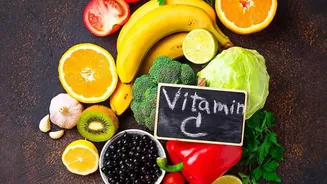
Getting enough minerals isn't just about hitting a certain number; it's also about absorption. 'Bioavailability' is a term for how well your body can absorb and use a nutrient from food. Minerals from animal sources are often more easily absorbed than those from plant sources. For example, plant-based foods can contain compounds called phytates and oxalates that bind to minerals and reduce their absorption. But you can boost absorption with smart food pairings. For instance, consuming vitamin C (found in citrus fruits and bell peppers) with iron-rich plant foods can significantly increase iron absorption. Similarly, vitamin D helps your body absorb calcium.
Your In-Store Checklist
When you're at the grocery store, use this quick checklist to make informed choices: 1. Check the Serving Size: Is it realistic for how much you'll eat? 2. Scan the %DV: Aim for foods that are high (20% or more) in the minerals you want, like calcium and iron. 3. Limit a Few: Use the same %DV logic to choose foods that are lower (5% or less) in sodium and added sugars. 4. Read the Ingredients: The ingredients are listed by weight, from most to least. This can give you a clue about the source of the minerals and whether the food is primarily whole or processed.