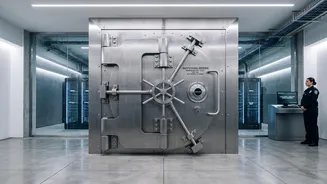








In what is being called the largest financial theft in history, cryptocurrency exchange Binance was hit by a staggering $6.3 billion hack. The event has sent shockwaves through the industry, raising urgent questions about security and what comes next.
The Heist of the Century
On October 29, 2026, over a period of just a few hours, attackers methodically drained approximately $6.3 billion in various cryptocurrencies from Binance, the world's largest crypto exchange. The funds were moved from Binance's 'hot wallets'—digital wallets connected to the internet to facilitate transactions—across at least ten different blockchains. The scale of the theft is unprecedented, dwarfing previous record-breaking crypto heists and prompting some analysts to label it the single largest theft of any kind, ever.
A Months-Long, Sophisticated Attack
Initial reports suggested a single compromised laptop was to blame, but Binance's own post-mortem revealed a far more complex, months-long operation. The campaign reportedly began as early as June 2026, when an engineer downloaded a malicious file disguised as an AI coding tool. Later, hackers posed as recruiters on professional networking platforms, targeting another Binance engineer with a fake job interview process that involved downloading an 'assignment' containing malware. This sophisticated social engineering eventually gave the attackers the access they needed to execute the massive withdrawal.
The Global Race to Freeze Funds
In the immediate aftermath, Binance suspended withdrawals and initiated a rapid-response effort with industry partners and law enforcement. This collaboration led to the successful freezing of approximately $2.8 billion to $3 billion of the stolen assets, primarily stablecoins whose issuers could block the funds at the request of the exchange. The attackers were seen on-chain rushing to convert the stolen funds into non-freezable assets like Ethereum to evade these measures, highlighting the cat-and-mouse nature of digital asset recovery.
Who is Responsible?
Multiple blockchain analysis firms and the U.S. Federal Bureau of Investigation (FBI) have attributed the attack to 'TraderTraitor', a cybercrime group linked to North Korea. This group, believed to be part of the infamous Lazarus Group, has been blamed for numerous large-scale crypto thefts used to fund the sanctioned regime's activities, including its weapons programs. North Korea has officially denied any involvement in the incident.
Binance's Response and a Promise to Users
Binance's leadership moved quickly to reassure its massive user base of over 300 million people. The company announced it would fully cover all customer losses, using a combination of its Secure Asset Fund for Users (SAFU), an emergency insurance fund, and its own corporate treasury. Within days of the attack, Binance began a phased resumption of withdrawals and reported that it had replenished nearly all of the stolen token assets to ensure customers were made whole. Despite this, the exchange saw significant net outflows of $3.6 billion as some spooked investors pulled their funds.
What This Means for Crypto
An attack of this magnitude on the industry's largest player inevitably renews debate around the security of centralized exchanges. While these platforms offer userfriendly access to crypto, they also present a tempting, consolidated target for hackers. The incident is expected to trigger intensified scrutiny from regulators worldwide and may accelerate the push for more robust security protocols, better threat intelligence sharing, and stricter safeguards across the entire ecosystem.