


Why Monsoon Travel is Different
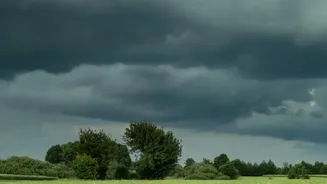
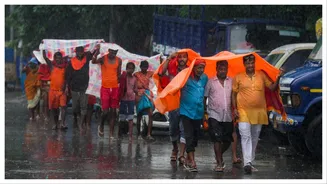
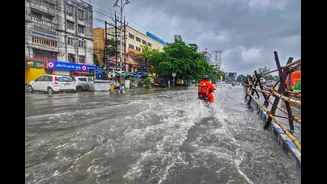
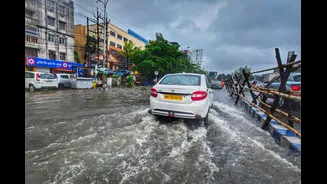
Travelling during the monsoon isn't like a trip at any other time of the year. While the season brings nature to life, it also introduces significant risks that demand respect and preparation. Heavy rainfall can lead to flash floods and waterlogging,
especially in low-lying areas, turning roads into rivers and causing major travel disruptions. In hilly regions, the danger of landslides is very real, with saturated soil on steep slopes becoming unstable. This can lead to road closures that can last for hours or even days, potentially leaving travellers stranded. Beyond these major hazards, expect delays across all forms of transport—flights, trains, and buses can all be affected by severe weather. This unpredictability is precisely why a flexible itinerary and a cautious approach are non-negotiable for anyone looking to explore India between June and September.
How to Read Weather Forecasts Like a Pro
Simply glancing at a weather app for a rain icon isn't enough. For reliable planning, turn to official sources like the India Meteorological Department (IMD). The IMD uses a colour-coded alert system that is crucial for travellers to understand. A 'Green' alert means all is well, while 'Yellow' is a 'watch' signal to stay aware of potential bad weather. An 'Orange' alert means 'be prepared' for heavy rain that could disrupt travel. A 'Red' alert is a 'take action' warning, indicating a significant threat to safety where all non-essential travel should be avoided. For the most reliable updates, use official government apps like 'Mausam' or 'UMANG', which provide localised 'nowcasts' for the immediate few hours. Private forecasters like Skymet also offer detailed reports. Checking these sources daily before and during your trip will help you make informed decisions, not just about your destination but about your daily activities too.
Choosing Your Destination Wisely
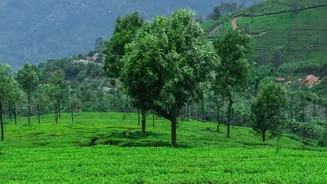
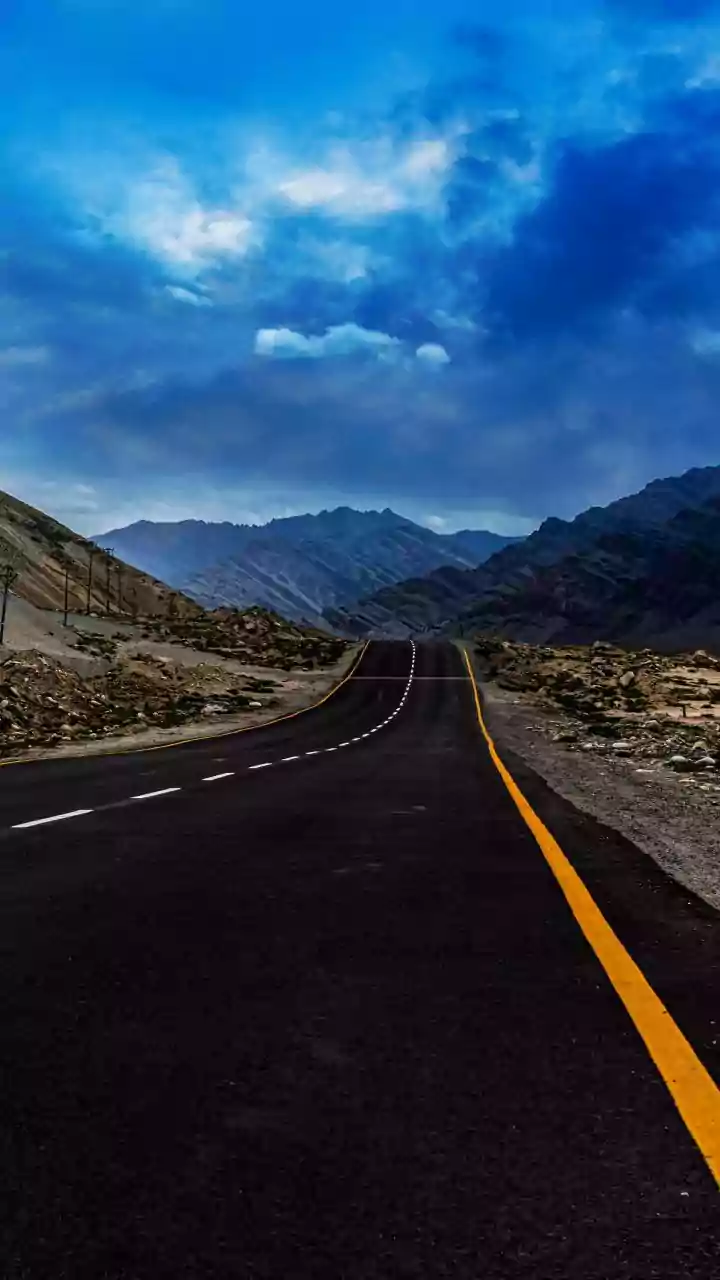
Not all destinations are created equal during the monsoon. Some areas become hazardous, while others are at their most beautiful. It's generally advised to be cautious when planning trips to Himalayan states like Uttarakhand and Himachal Pradesh, as these regions are prone to landslides. Similarly, areas known for heavy flooding, like Assam, can be challenging to travel in. On the other hand, many places flourish. The Western Ghats, including destinations like Coorg, Munnar, Wayanad, and Lonavala, become stunningly green and are popular choices. Rajasthan receives significantly less rainfall, making cities like Udaipur an enchanting option with its lakes full and palaces reflecting the cloudy skies. The high-altitude desert of Ladakh barely gets any rain, making it a peak-season destination during the monsoon months. The southeast coast, including parts of Tamil Nadu, also experiences less rain during the main monsoon, as its primary rainy season is later in the year.
Essential Packing and Preparation
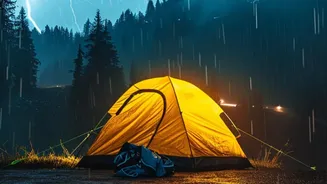
Once you've chosen your destination, packing right is your next critical step. Prioritise lightweight, quick-drying clothes; heavy fabrics like denim will stay damp for ages in the humid air. A reliable raincoat or poncho and a sturdy umbrella are essential. Waterproof footwear with excellent grip is a must to navigate slippery paths and wet streets safely. Protect your electronics and important documents by keeping them in waterproof bags or pouches. Your travel kit should also include a basic first-aid box with medication for common ailments, as well as a strong insect repellent, as the monsoon season sees a rise in mosquitoes. Beyond packing, it’s wise to book flexible travel and accommodation where possible, and always keep buffer days in your itinerary to account for unexpected delays.