



A Green Shift in the Concrete Jungle
In a bustling metropolis like Chennai, the desire for a slice of nature is strong. This has sparked a growing movement towards urban farming, with balcony herb gardens at its heart. More than just a hobby, this trend is a response to a desire for a healthier,
more sustainable lifestyle. Residents are keen to have access to fresh, pesticide-free ingredients for their daily cooking, reducing their reliance on market-bought produce which may have a larger carbon footprint. Initiatives like the Chennai Urban Farming Initiative (CUFI) are encouraging this shift, providing resources and training to help city dwellers cultivate their own food, fostering a citywide green movement from the ground up—or in this case, from the balcony up.
The Taste of Homegrown Freshness
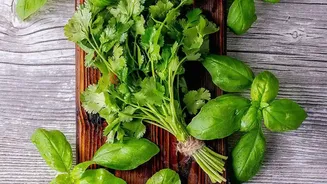
Imagine snipping a few curry leaves for a simmering sambar or plucking fresh coriander to garnish a dal, moments before serving. This is the convenience and superior flavour that balcony herb gardens offer. Homegrown herbs are more potent and aromatic than their store-bought counterparts, elevating everyday meals. For South Indian cooking, having a ready supply of essentials like mint (pudina), curry leaves (karuveppilai), coriander (kothamalli), and holy basil (tulsi) is a game-changer. The satisfaction of cooking with ingredients you've nurtured yourself adds a special element to every dish, turning a simple meal into a rewarding experience.
Your Chennai Balcony Herb Starter Kit
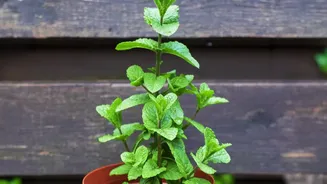
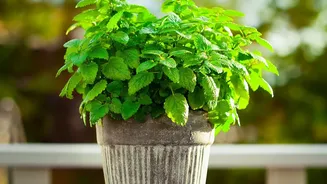
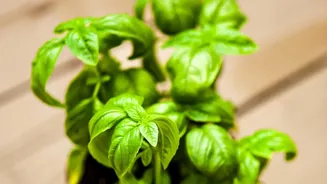
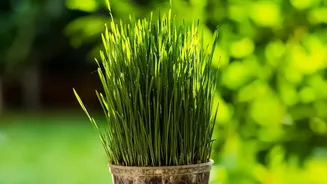
Chennai's warm, and often humid, climate is ideal for a variety of herbs. If you're wondering where to begin, start with these easy-to-grow, high-reward plants: Mint (Pudina): Incredibly easy to grow from a cutting, mint thrives in partial sun and consistently moist soil. It's perfect for chutneys, teas, and cooling summer drinks. Curry Leaf (Karuveppilai): A staple in Tamil cuisine, this plant loves sunlight and grows well in pots. A single plant can provide flavour for your kitchen for years. Coriander (Kothamalli): This herb prefers cooler weather and morning sun. Grow it in batches for a continuous supply for garnishing. Holy Basil (Tulsi): Revered for its medicinal properties, Tulsi is hardy and requires at least a few hours of sunlight. It's a must-have in many Indian homes. * Lemongrass: This grass-like herb loves warmth and humidity. Its citrusy stalks are wonderful in teas and Thai-inspired curries.
Getting Started: Simple Steps to Success
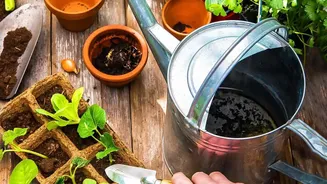
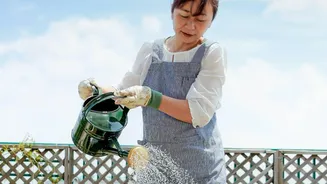
Starting your own herb garden doesn't require a lot of space or expense. Begin with a few pots on a windowsill or balcony that receives at least 4-6 hours of sunlight. An east-facing balcony is often perfect for herbs, getting the gentle morning sun. Use a well-draining potting mix, often available at local nurseries, which can be a blend of red soil, compost, and coco peat for moisture retention. Terracotta pots are a great choice as they are porous and prevent waterlogging. Water your plants when the top inch of soil feels dry, which might be daily during Chennai's hot summers. To keep pests away naturally, a simple spray of neem oil solution works wonders.
More Than a Garden: A Lifestyle Choice
Embracing a balcony garden is about more than just fresh food. It's a step towards a more sustainable and mindful way of living. Growing your own herbs reduces waste from packaging and lowers food miles. It also serves as a fantastic educational tool for children, teaching them about the food cycle. Furthermore, studies and gardeners alike report significant mental health benefits, citing gardening as a stress-relieving activity that provides a connection to nature amidst urban life. Even a small patch of green can help cool your home slightly, contributing to a more pleasant living environment.