



The Modern Myth of the Magic Bullet
Walk down any beauty aisle, and you will be met with a dazzling array of single-ingredient serums. Vitamin C for brightness, hyaluronic acid for hydration, retinol for renewal. The modern beauty industry has conditioned us to seek a 'magic bullet' for our
skin concerns, promoting the idea that one powerful active ingredient can solve a complex issue like ageing. While these ingredients are often backed by science and can be effective for targeting specific issues, they represent a narrow view of skin health. Skin ageing is a multifaceted process influenced by genetics, lifestyle, diet, and environmental factors like sun exposure and pollution. Relying on a single ingredient is like trying to build a house with only a hammer; it’s a useful tool, but you need a complete toolbox to get the job done right. This ingredient-focused approach often overlooks the importance of a comprehensive routine and the synergy between different elements of care.
A Timeless Philosophy of Holistic Care
Long before laboratories isolated active molecules, royal figures across the globe maintained their celebrated beauty through complex, holistic rituals. Their philosophy was not about finding one miracle cure, but about nurturing the body, mind, and spirit as a whole. This approach, often documented in historical texts, viewed the skin as a reflection of overall well-being. From diet and stress management to the use of a wide array of natural ingredients, these routines were intricate and consistent. They understood that beauty was not something you could simply apply from a bottle; it had to be cultivated through a lifestyle of conscious care. This ancient wisdom provides a powerful counter-narrative to our modern, quick-fix mentality, reminding us that skin health is a long-term commitment, not a race to find the next trending ingredient.
The Egyptian Blueprint: Milk, Honey, and Oils
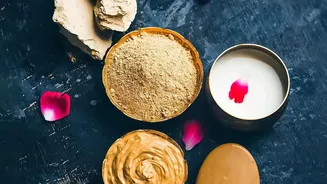
Perhaps no royal is more famous for her beauty rituals than Cleopatra. Her legendary milk baths were more than just an act of indulgence. The lactic acid in milk is a gentle alpha-hydroxy acid (AHA) that exfoliates the skin, a principle now widely used in modern skincare. She combined this with honey, a natural humectant and antibacterial agent, and nourishing botanical oils like castor and olive oil. Her routine also included mineral-rich Dead Sea salts for purification and henna for nail care. Even her iconic kohl eyeliner, made from ground galena, was believed to have protective properties against the harsh sun and infections. Cleopatra’s regimen was a masterclass in combining different natural elements for cleansing, exfoliating, nourishing, and protecting the skin—a complete system that addressed skin health from multiple angles.
Ayurvedic Wisdom for Indian Royalty
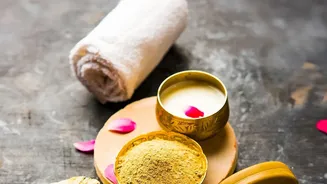
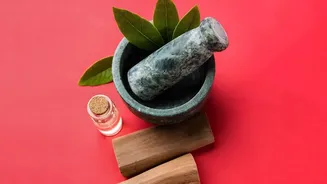
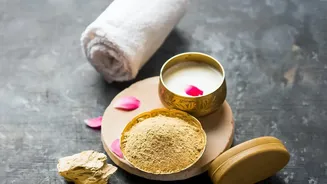
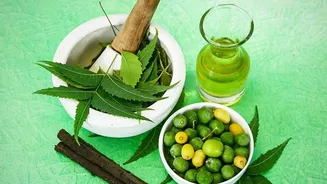
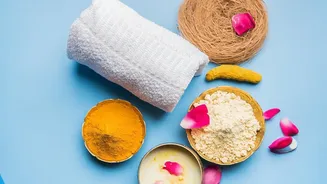
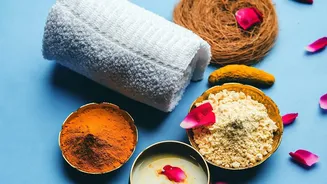
In India, the beauty secrets of Maharanis were deeply rooted in Ayurveda, the ancient science of life that takes a deeply holistic approach. Ayurvedic skincare is highly personalised, based on an individual's 'dosha' or constitutional type (Vata, Pitta, Kapha). The belief is that skin is an outer reflection of inner health, particularly digestive balance. Royal routines involved not just topical applications but also specific diets, herbal supplements, and lifestyle practices like massage. For their skin, queens like Maharani Gayatri Devi reportedly used ingredients like turmeric for its brightening and anti-inflammatory properties. Other staples included sandalwood for cooling the skin, saffron-infused milk for radiance, and rose water as a toner. Self-massage with herbal oils, known as 'abhyanga', was also crucial for improving circulation and hydrating the skin. This system was designed to create balance from within, proving that radiant skin starts with overall wellness.