





First, What’s the Big Deal About Lonavala?
Imagine New Yorkers escaping the sweltering city for the cool air of the Hamptons or the Catskills. Lonavala serves a similar purpose for Mumbai. Just a two-hour drive away, this hill station in the Western Ghats mountains transforms when the monsoon
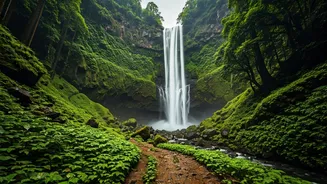
arrives in June. Dry, brown hills burst into an almost impossibly vibrant green. Waterfalls that were mere trickles become roaring cascades, and a cool mist hangs in the air. It’s a sensory reset button, famous for road trips, scenic viewpoints, and snacking on roasted corn on the cob while soaking in the views. But its popularity means it can get crowded, turning a peaceful escape into a traffic-filled crawl. Fortunately, India is a vast country with countless spots that come alive in the rain.
For Tea Plantations: Munnar, Kerala
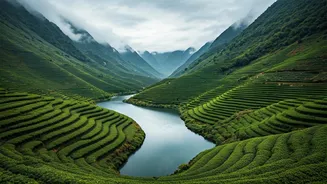
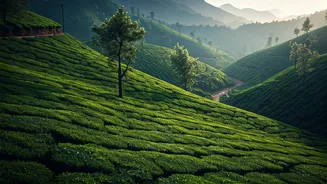
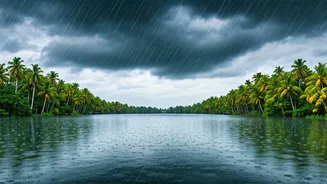
If your mental image of a perfect rainy day involves a cup of tea and a view, Munnar is your paradise. Located in the southern state of Kerala, often called “God’s Own Country,” Munnar is a region of rolling hills blanketed in meticulously manicured tea estates. During the monsoon (June to September), the landscape becomes a spectacle of a thousand shades of green. The rain washes the tea leaves, leaving them glistening and fragrant. Low-hanging clouds drift through the valleys, often obscuring and then revealing the stunning scenery. It’s less about frantic sightseeing and more about finding a cozy hotel or homestay, sitting on your balcony with a fresh brew, and watching the clouds and rain dance over the hills. It’s the ultimate tranquil escape.
For Waterfalls and Coffee: Coorg, Karnataka
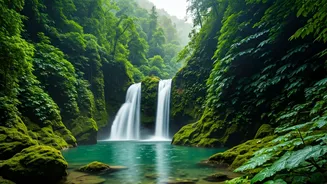
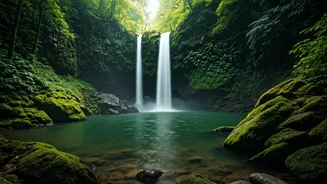
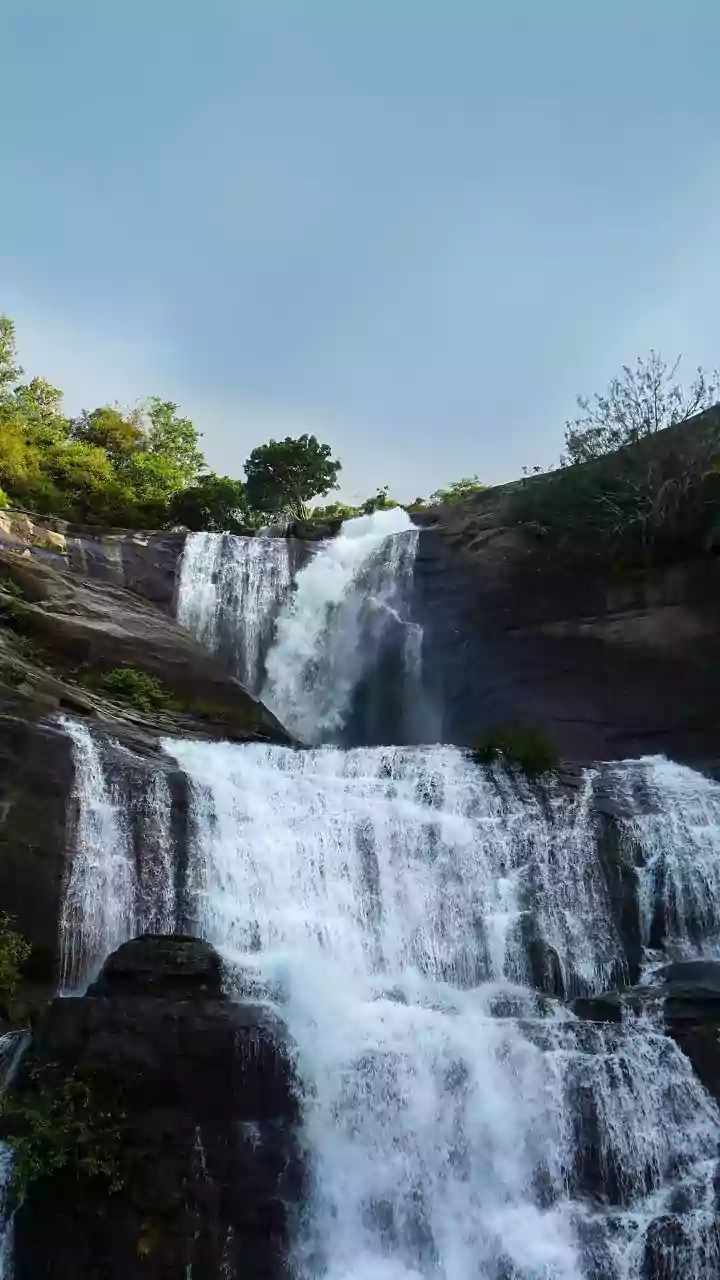
Nicknamed the “Scotland of India” for its misty, green hills, the Coorg region in Karnataka is a haven for nature lovers, especially during the monsoon. The rains swell the rivers, and iconic waterfalls like Abbey Falls and Iruppu Falls become thunderous forces of nature. The entire region is perfumed with the scent of wet earth and blossoming coffee plants, as Coorg is one of India's largest coffee producers. You can trek through dense forests (with a guide), visit a coffee plantation to learn about the bean-to-cup process, or simply enjoy the dramatic, moody landscapes. The local Kodava cuisine, known for its distinctive flavors, is the perfect comfort food for a rainy day.
For Dramatic Cloudscapes: Shillong, Meghalaya
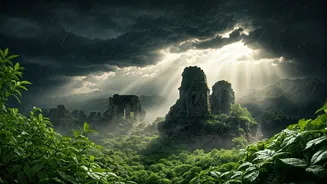
For the truly adventurous who want to experience the monsoon at its most intense, head to India's northeast. Shillong is the capital of Meghalaya, a state whose name literally translates to “the abode of clouds.” It’s a fitting title. This region is home to Mawsynram and Cherrapunji, two of the wettest places on Earth. Here, the monsoon is not a gentle shower; it’s a defining feature of life and landscape. The rain feeds a jungle ecosystem so lush it feels prehistoric. This is where you can find the famous living root bridges—bridges grown from the roots of rubber trees by the indigenous Khasi people, strong enough to withstand the powerful monsoon streams. It’s a world away from a typical tourist spot, offering a profound connection with nature at its most powerful.
For A Different Vibe: Udaipur, Rajasthan
A desert state like Rajasthan might seem like an odd choice for a monsoon trip, but that’s precisely what makes it special. During the dry months, Udaipur—the “City of Lakes”—is beautiful but baked in the sun. When the rains arrive, the parched Aravalli hills surrounding the city turn a surprising shade of green, and the city’s magnificent lakes, like Lake Pichola, fill to the brim. The marble palaces, including the iconic Lake Palace floating in the water, seem to gleam against the dark monsoon sky. The weather is cooler, the crowds are thinner, and you get to see a completely different side of this royal city. A boat ride on a full lake with clouds overhead is an incredibly romantic and atmospheric experience.