



The High Cost of Staying Cool
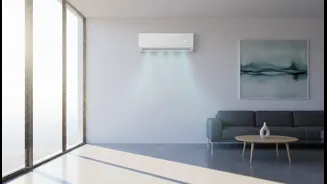
The relentless hum of the air conditioner is the sound of summer in urban India, but it comes at a steep price. The 'cooling trap' is a vicious cycle: rising temperatures drive AC sales, which in turn increase electricity demand and strain the power grid.
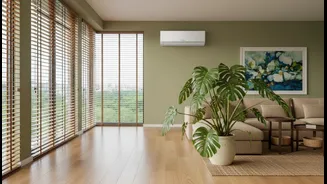
ACs already account for a huge portion of peak electricity demand in India. This heavy usage translates directly into shocking monthly bills. For example, running a common 1.5-ton, 3-star AC for 8-10 hours a day can easily add thousands of rupees to your bill, a significant burden for many households. A 5-star inverter AC is more efficient, but the initial cost is higher, creating a barrier for many. This financial strain is the first part of the trap, forcing families to choose between thermal comfort and their budget.
The Environmental and Health Paradox
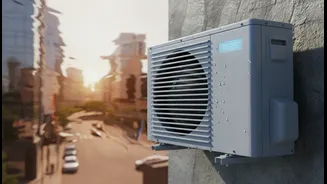
Air conditioners present a paradox: they cool our rooms by heating the planet. AC units function by pumping hot air out, contributing to the 'urban heat island' effect, where cities become significantly warmer than surrounding rural areas. This makes the outdoor environment more unbearable, increasing our dependence on indoor cooling. Furthermore, older ACs can leak hydrofluorocarbons (HFCs), powerful greenhouse gases. Health is another concern. While ACs protect against deadly heatstroke, prolonged exposure to artificial cold and dry air can cause dry eyes, skin irritation, and respiratory issues. Poorly maintained units can also circulate dust, mould, and bacteria, triggering allergies and other illnesses.
For Homeowners: Smart Investments for Long-Term Comfort
Homeowners are in the best position to make high-impact changes. The most significant investment is in a high-efficiency AC. A 5-star inverter AC can consume nearly 30-50% less electricity than an older or lower-rated model, paying back the initial premium in a few seasons. Beyond the AC unit, focus on the building itself. Applying a 'cool roof' with reflective white paint or tiles can reduce indoor temperatures by several degrees for a relatively modest cost. Planting trees for strategic shading, especially on the west-facing side of the house, provides a natural, long-term cooling solution. Other options include installing double-glazed windows, using external shades or 'chajjas', and ensuring proper wall insulation to prevent heat from entering in the first place.
For Renters: Low-Cost, High-Impact Solutions
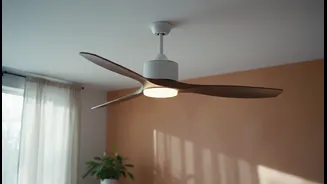
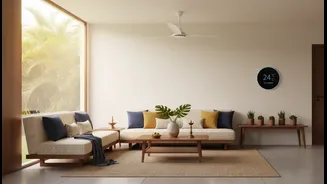
Renters may not be able to make structural changes, but they are not helpless. The first step is to use your existing AC smarter. Set the thermostat to the Bureau of Energy Efficiency's recommended 24-26°C. Every degree lower can increase electricity consumption by 6-8%. Combine the AC with a ceiling fan to improve air circulation, which allows you to feel cooler at a higher temperature. Block afternoon sun with thick, dark-coloured curtains or install removable solar control films on windows. Seal any cracks around windows and doors to prevent cool air from escaping. At night, if the outdoor air is cooler, use cross-ventilation by opening windows on opposite sides of the home to flush out the day's heat. Regular cleaning of the AC filters every few weeks is a simple, no-cost way to maintain its efficiency.
Rediscovering Traditional Wisdom
Before air conditioning, Indian architecture had perfected passive cooling. Many of these techniques can be adapted today. Using breathable fabrics like cotton or linen for upholstery and bedding helps. Traditional screens made from vetiver ('khus'), when sprinkled with water, can cool incoming breezes through evaporation. Even the simple act of storing drinking water in an earthen pot ('matka') provides naturally cool water without refrigeration. Terracotta, used in tiles and decorative elements, has excellent thermal properties that help regulate indoor temperature. Mopping floors in the afternoon can also provide temporary evaporative cooling. By blending modern technology with these time-tested methods, families can achieve a new standard of comfortable and sustainable living.