



More Than a Nuisance
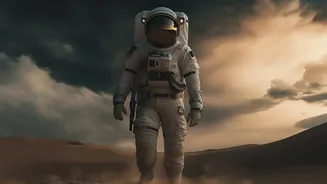
When the Apollo astronauts returned from the lunar surface, they brought an unwelcome hitchhiker back into their lander: Moon dust. It clung to everything, smelled like spent gunpowder, and caused immediate irritation. Apollo 17's Harrison Schmitt experienced
what he called "lunar hay fever," including sneezing, watery eyes, and a sore throat. This wasn't just an inconvenience; it was a warning. All twelve astronauts who walked on the Moon reported some form of short-term respiratory issues from inhaling the fine powder. The dust was so abrasive it wore down layers of their boots, scratched visors, and caused vacuum seals to fail. NASA recognized then that dust was a major operational problem. Now, with long-term Artemis missions on the horizon, the agency is formalizing its approach to protect the next generation of explorers.
A New Standard for Safety
In response to the known risks, NASA is integrating stringent dust mitigation requirements directly into its core design philosophies. Standards like NASA-STD-3001, which governs human-system integration, are being updated with specific permissible exposure limits for celestial dust. For missions to Mars, an initial standard limits breathable dust particles to a 24-hour average of 0.1 mg/m³ for up to 30 days. This proactive approach treats dust not as a housekeeping issue, but as a fundamental threat to crew health and mission success. The goal is to design habitats, rovers, and suits that prevent dust from entering habitable areas in the first place, representing a strategic shift from reactive cleaning to proactive architectural and operational planning.
Why Space Dust is So Dangerous
Unlike dust on Earth, which is weathered and rounded by wind and water, lunar dust is fundamentally different. The Moon has no atmosphere, so its surface is constantly bombarded by micrometeorites and solar radiation. This process pulverizes rock into tiny, sharp, and jagged particles, akin to microscopic shards of glass. These particles can also be electrostatically charged, causing them to cling tenaciously to any surface they touch. Studies using lunar soil simulants have shown it can be toxic to human cells. When exposed to particles fine enough to be inhaled, up to 90% of human lung cells and mouse neurons died in one study. Prolonged exposure could lead to serious conditions like bronchitis, scarring of lung tissue, and an increased risk of cancer.
Designing the Habitats of the Future
The new standards directly influence the architectural and engineering plans for future lunar bases. Instead of just powerful HEPA filters, future habitats will feature integrated, multi-layered defense systems. Concepts include dedicated "mudrooms" or airlocks where astronauts can clean suits and equipment before entering the main living quarters. Other technologies in development are suitports that allow an astronaut to enter the habitat from the back of their suit without bringing the dusty garment inside. NASA is also investing in advanced dust-removal technologies, such as brushes, vacuums, and even an Electrodynamic Dust Shield (EDS) that uses an electric field to actively repel and remove dust from surfaces like fabrics, solar panels, and camera lenses. The layout of habitats will also be reconsidered, separating work areas from quiet zones to contain any contamination that does get inside.
Paving the Way for Mars
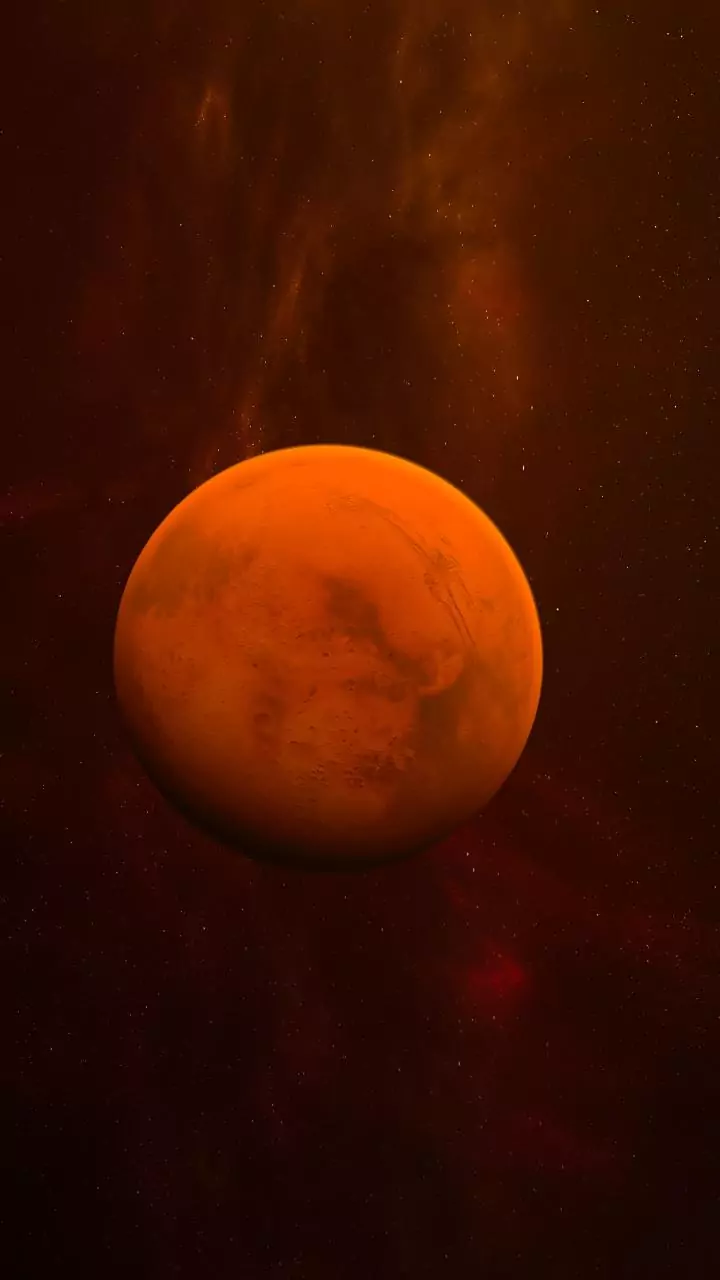
Solving the lunar dust problem is a critical dress rehearsal for humanity's next giant leap: Mars. While Martian dust is different—formed by different geological processes—the fundamental challenges of inhalation, abrasion, and contamination remain. The strategies and technologies developed for the Artemis program will provide an essential foundation for keeping astronauts safe on much longer missions to the Red Planet. By establishing conservative, evidence-based standards now, NASA is ensuring that as our exploratory architecture evolves, crew safety remains the top priority. This focus allows mission planners to build habitats and systems that are not just functional, but resilient enough to withstand the uniquely harsh environments beyond Earth.