







The Great Retail Expansion
Despite economic headwinds, India's retail landscape is experiencing a surge in leasing, and the fashion and apparel sector is leading the charge. In the first half of 2026 alone, this segment accounted for 40% of total retail space absorption, according
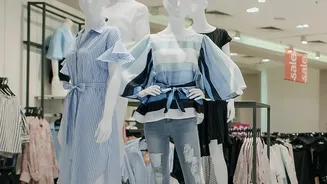
to a report by real estate consultancy CBRE. Established players are digging in their heels; H&M, which leads its international rivals in revenue, now operates over 64 stores, while Uniqlo has announced ambitious plans to increase its presence to over 100 stores within the next five years. Adding to this is the highly anticipated return of Shein, now in partnership with Reliance Retail, which brings its online-first, trend-heavy model back to one of the world's fastest-growing fashion markets. This physical and digital expansion signals enormous confidence from brands in the Indian consumer's appetite for newness.
The Business of Volume
The success of fast fashion isn't built on selling a few high-quality, lasting garments. The model is predicated on volume. By leveraging global supply chains and prioritising low-cost synthetic materials like polyester, brands can produce trend-mimicking styles at astonishing speed and sell them at prices that encourage impulse buys. A dress for a few hundred rupees becomes a low-risk purchase. The business math is simple: sell thousands of low-margin tops rather than hundreds of durable, higher-priced jackets. This cycle is amplified by a constant churn of new collections, creating a sense of urgency for shoppers. The average fast-fashion item is reportedly worn only seven to ten times before being discarded, a feature, not a bug, of a business model that relies on customers constantly coming back for more.
The Durability Compromise
The casualty of this high-speed, low-cost model is quality. Consumers implicitly understand this trade-off. Garments often fall apart due to manufacturing shortcuts designed to save time and money. These can include using weaker thread, reducing the number of stitches per inch, and skipping reinforcements at stress points like armholes. Materials also play a key role. Low-grade cotton and cheap polyesters are prone to pilling, shrinking, and losing their shape after just a few washes. This planned obsolescence ensures that last season's purchase not only looks dated but may not even be wearable, pushing the consumer back to the store for the next trendy, and equally temporary, item. This cycle turns clothing from a durable good into a disposable one.
The Psychology of the Indian Shopper
So why, despite knowing the clothes won't last, do consumers keep buying? The answer is a mix of economics and psychology. For a large segment of India's young, urban population, fast fashion offers an affordable way to participate in global trends. Driven by rising disposable incomes, rapid urbanisation, and the ever-present influence of social media, the desire to stay current is a powerful motivator. Studies show that while there is a growing awareness of sustainability, Indian consumers, particularly Gen Z, still prioritise affordability, style, and trendiness. The thrill of the new and the social validation that comes with a fashionable wardrobe often outweigh concerns about long-term quality or environmental impact.
An Unfolding Environmental Cost
This relentless cycle of production and consumption comes at a significant environmental price. The fashion industry is a major global polluter, responsible for a large percentage of carbon emissions and water pollution from textile dyeing. In India, the problem is acute. The country is a major hub for textile production and is also facing a growing crisis of textile waste, which is now the third-largest source of dry waste in municipal systems. Garments made from synthetic fibres shed microplastics with every wash and can take decades to decompose in landfills. As fast fashion's footprint in India expands, it brings not just trendy clothes to the masses but also a mounting pile of environmental questions with no easy answers.